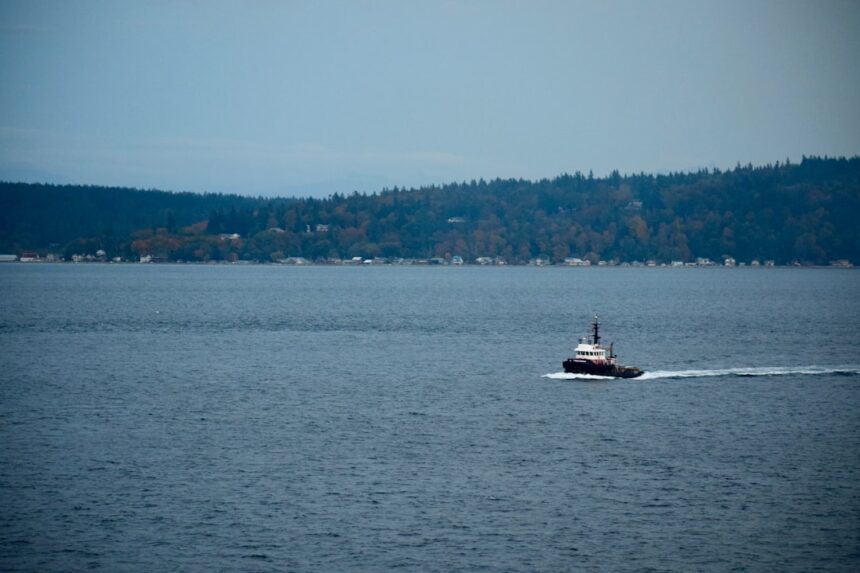
Guangzhou Port, one of China’s busiest maritime hubs, is set to strengthen its operational capabilities with the addition of a new RAmparts 4300 ASD tug, developed by Robert Allan Ltd. The contract for this significant enhancement was awarded recently, marking a pivotal development in the port’s ongoing capacity expansion efforts.
Design and Specifications
The RAmparts 4300 ASD tug is engineered to meet the stringent operational demands of Guangzhou Port. Expected to achieve a bollard pull of 92 tonnes, the vessel will bolster the port’s capabilities in coastal towing operations, offshore oilfield support, and anchor-handling duties. Designed to ensure high safety standards and operational efficiency, the tug will allow Guangzhou Port to undertake a diverse range of marine operations with enhanced reliability.
Construction and Delivery Timeline
The construction of the RAmparts 4300 ASD tug will be executed by Lianyungang Hongyun Industrial Co., Ltd., with delivery anticipated in May 2028. This contract signifies the first collaboration between Robert Allan Ltd. and Guangzhou Port, highlighting the port’s strategy to modernize its fleet and improve its towing and support operations.

Market Implications
The integration of this new tug design aligns with broader trends in the maritime industry, focusing on efficiency, safety, and environmental performance. The RAmparts series is celebrated for its robust performance and versatility, which positions it as a preferred option for port operators needing reliable service across harbour, coastal, and offshore applications. This new vessel is expected to significantly contribute to the competitive positioning of Guangzhou Port within the regional shipping and logistics framework.
Behind the Headline
The introduction of the RAmparts 4300 ASD tug reflects the increasing operational complexities faced by major ports like Guangzhou. With demands growing for enhanced towing capacities and multi-use functionalities, this new vessel will not only enhance direct operational efficiency but also support the fluctuating needs of the maritime industry. As ports prioritize investments in modern designs, observers should monitor subsequent fleet upgrades and the strategic initiatives ports undertake to remain competitive in the shifting maritime landscape.