New Draught Limits Implemented
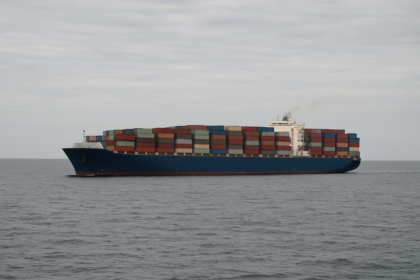
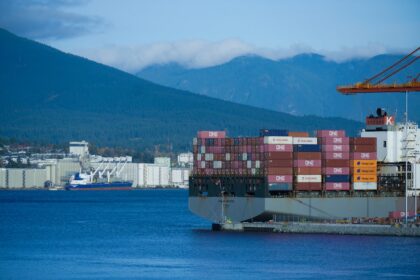
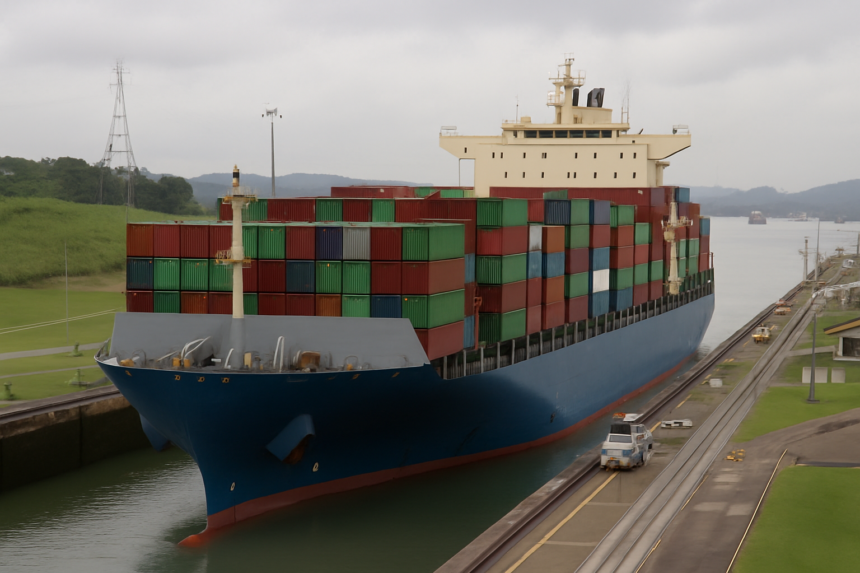
The Panama Canal Authority has confirmed a reduction in the maximum authorized draught for neopanamax vessels to 14.94 meters. This adjustment marks a critical response to deteriorating water levels, which have increasingly become a concern for operations in this key maritime corridor. Vessel operators and shipping agents have been officially notified, prompting necessary modifications to transit planning.
Reasons Behind the Change
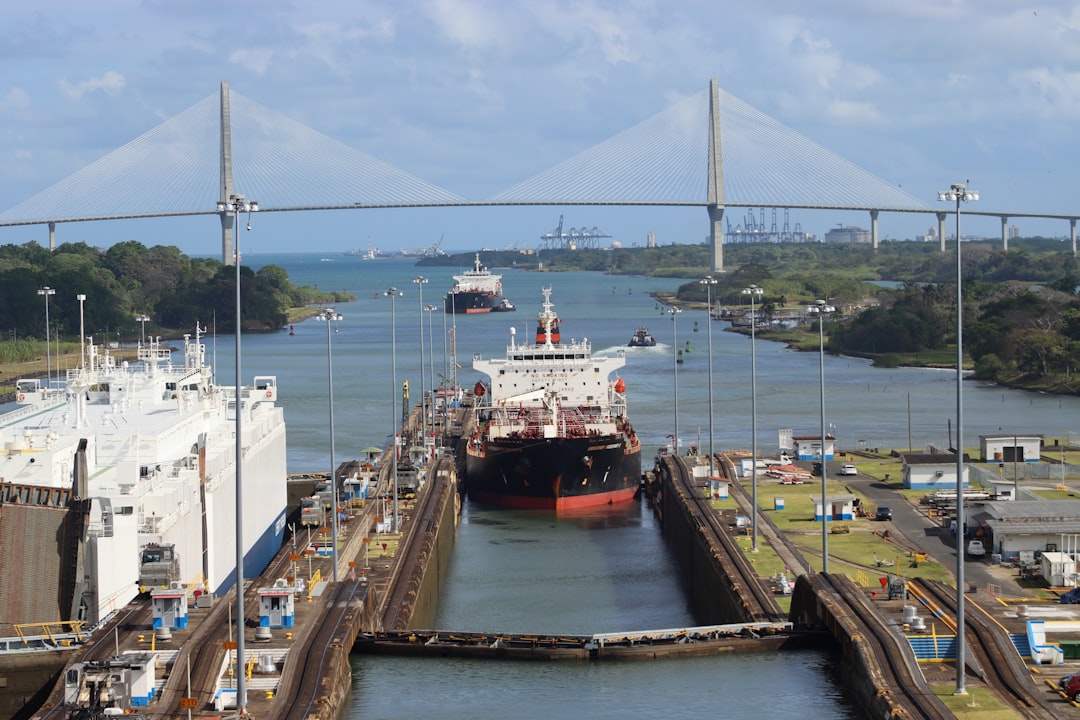
This latest measure underscores the Panama Canal’s ongoing struggle with water resource management, which directly impacts navigation safety and operational efficiency. The neopanamax locks are central to facilitating the passage of larger container ships, and any restrictions on draught can significantly influence transit times and costs. These measures aim to ensure that vessel traffic remains manageable within the prevailing environmental conditions.
Market Implications
As these new draught limits come into effect, shipping lines may need to reassess their schedules and vessel assignments to avoid delays. This can include rerouting smaller vessels to accommodate the new limits or delaying voyages until conditions improve. Operators are expected to track water levels closely and maintain communication with the canal authority to optimize transits. With ongoing climate challenges affecting water levels further, this scenario may not be isolated, indicating a trend that could require long-term planning and adaptability from the industry.


Behind the Headline
The tightening of draught limits at the Panama Canal presents significant operational challenges for shipping companies utilizing this vital route. With neopanamax vessels at such a critical juncture in global supply chains, operators must swiftly adjust to these restrictions or face potential disruptions in cargo deliveries. Furthermore, this scenario highlights the broader environmental and operational risks that maritime operators must navigate as climate conditions become increasingly unpredictable. Observing trends in draught restrictions will be essential for companies as they strategize future transit plans and operational modeling.