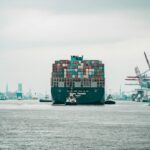
Asia’s container shipping sector is grappling with severe congestion that is evolving from a temporary issue into a deep-rooted supply chain challenge. Recent analyses indicate that 8.5% of the global containership fleet is currently delayed, affecting approximately 3 million TEU of capacity. As a consequence, regional freight rates are surging to record levels, further complicating trade operations in the area.
The Current Situation
Sea-Intelligence, a leading maritime analytics firm, has provided insights that highlight the extent of the delays currently plaguing Asia’s cargo transport system. As the congestion continues, shippers face significant hurdles in managing logistics while trying to maintain supply chain fluidity. The ongoing situation is being described as less of a temporary disturbance and more as a continuous operational challenge that is expected to last through 2027.
Impact on Freight Rates
The repercussions of this congestion are felt widely, with freight rates climbing to unprecedented levels. These increases can be attributed to the limited availability of vessels and sporadic delivery timelines, which has forced operators to reassess their logistical frameworks and pricing structures. As shipping costs rise, many importers and exporters are compelled to rethink their strategies to mitigate the financial impact.

Future Outlook
Experts within the shipping community acknowledge that the logistics landscape in Asia will remain turbulent without significant interventions to alleviate port congestion. Stakeholders are calling for coordinated efforts to address the root causes of these delays, including enhanced port operations, improved infrastructure, and better planning among shipping lines. Without these changes, the prospects for resolution appear dim, and rates may continue to rise as the disruptions drag on.
Behind the Headline
The persistent congestion in Asia’s major ports underscores the fragility of global supply chains, as a significant portion of the containership fleet remains underutilized due to delays. This extended disruption not only exacerbates freight rates but also challenges operators who must navigate a volatile market. Stakeholders, particularly charterers and freight forwarders, should brace for continued fluctuations in shipping costs and consider diversifying their sourcing strategies to mitigate risk in this uncertain environment.