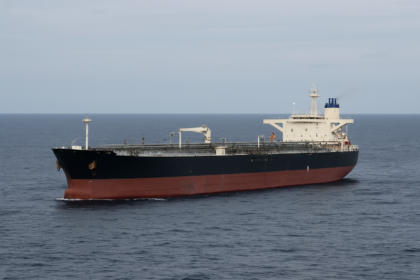
The Strait of Hormuz continues to be classified as one of the most dangerous maritime chokepoints globally, compounded by recent explosions reported in the area on Monday. These developments come despite diplomatic breakthroughs aimed at ensuring the safe passage of vessels through this vital waterway, which serves as a significant artery for global oil transport.

The Current Security Landscape
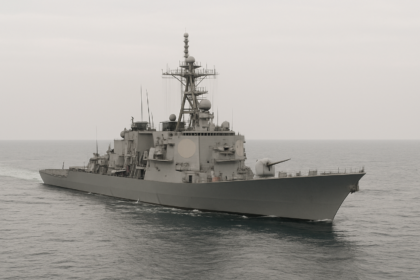
The threat level in the Strait of Hormuz remains severe. Recent incidents of explosions have underscored the precarious security environment, prompting ongoing military protection for commercial vessels navigating this region. The current geopolitical landscape exacerbates the risks faced by shipping companies, compelling many to reassess their operational strategies.
Impact on Shipping Operations
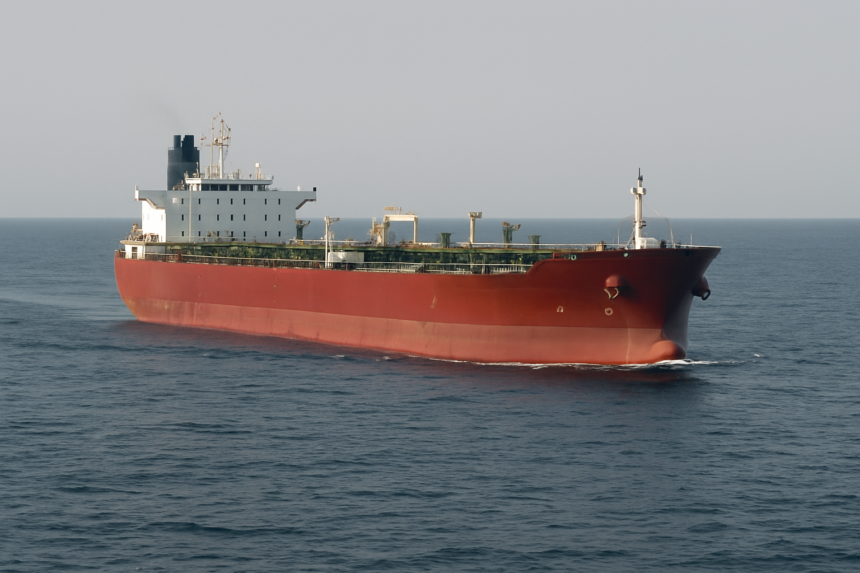
For shipping operators, the escalating threat landscape necessitates a focus on risk mitigation strategies, including the use of military escorts. The requirement for enhanced security measures may lead to increased operating costs, especially for those that routinely trade through this vital corridor. The implications extend to global oil markets, where fluctuations in transit security can prompt volatility in pricing and supply chain adjustments.


The Road Ahead
As diplomatic efforts continue, the timeline for normal trade resumption remains uncertain. Operators are encouraged to remain vigilant and adaptable, with potential rerouting or increased security protocols likely shaping the future of maritime operations in the region.
The Operational Read
The persistent volatility in the Strait of Hormuz signifies a complex challenge for shipping operators and charterers reliant on this route. An assessment of risk versus operational efficiency is crucial as companies navigate heightened security protocols. Continued monitoring of the situation, including geopolitical developments and market reactions, will be essential for informed operational decision-making. Potential escalation in hostilities could further complicate logistics and insurance costs, making it imperative for industry stakeholders to remain agile.