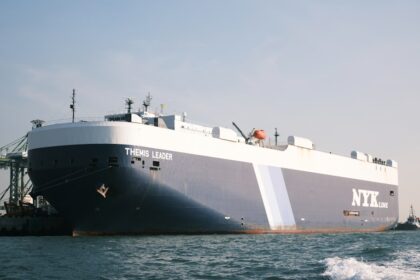
Everllence has secured the first-ever order for its next-generation B&W ME-GI Mk10.7 dual-fuel methane engine, a notable achievement that enhances the company’s position in the growing market for methane-fueled propulsion systems. This historic order consists of four engines intended for a series of 8,600 CEU car carriers being constructed for the Norwegian shipowner Global Car Carriers (GCC).

Technological Advancements
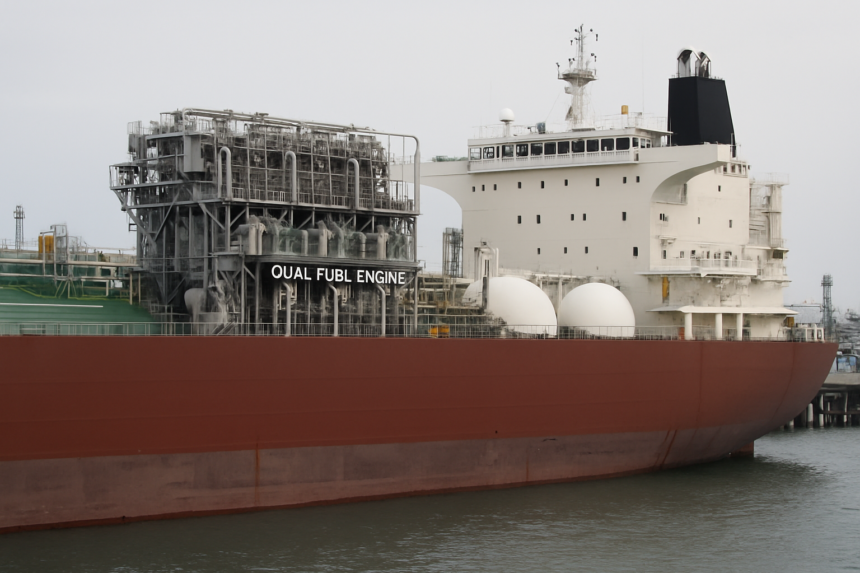
The B&W ME-GI Mk10.7 engine represents the latest advancement in dual-fuel engine technology, specifically designed for more efficient methane utilization. This engine type is engineered to optimize fuel economy and reduce emissions, thereby supporting shipping companies’ goals to comply with increasingly stringent environmental regulations. Methane, being a cleaner alternative to conventional bunker fuels, aligns with the industry’s shift towards sustainability.
Market Implications
The move to incorporate methane-fueled engines is significant as maritime operators are under pressure to reduce their carbon footprint. By adopting advanced engine technologies, companies like GCC are not only enhancing their operational efficiencies but also positioning themselves favorably in an evolving market that increasingly prioritizes sustainability.


Future Outlook
With the global shipping industry facing mounting scrutiny over its environmental impact, innovations like the B&W ME-GI Mk10.7 engine are likely to play a critical role in meeting future regulations and expectations from stakeholders. Everllence’s pioneering order may set a precedent, prompting other operators to explore methane propulsion alternatives.
Behind the Headline
This development marks a pivotal shift in the maritime industry’s approach to fuel consumption. As companies go beyond compliance and strive for better environmental performance, the adoption of methane-fueled dual-engine systems underscores a broader trend toward cleaner propulsion. In practical terms, operators will need to assess their existing fleets and consider retrofitting opportunities or new builds equipped with such technologies. Monitoring developments in engine performance and regulatory responses will be essential for stakeholders navigating this transitional landscape.