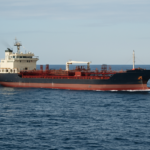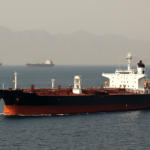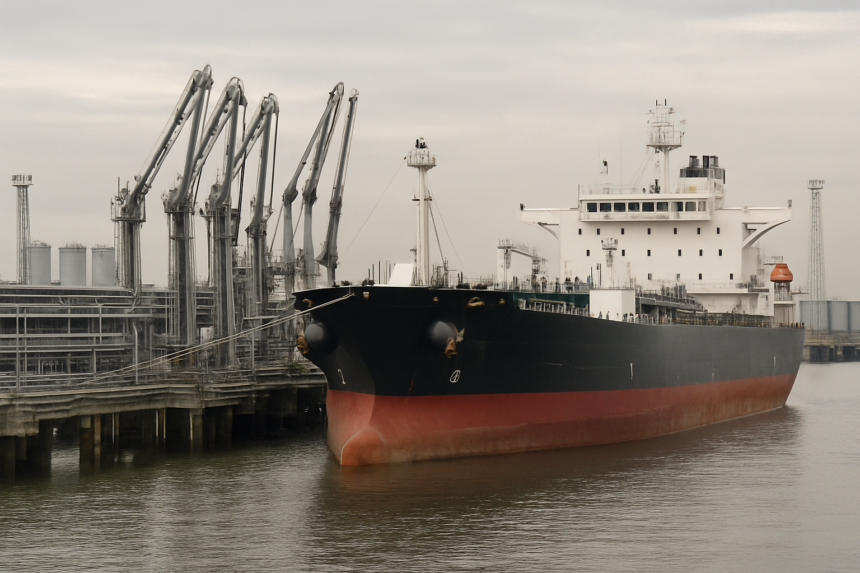
Oil loading operations at the Caspian Pipeline Consortium (CPC) terminal have been suspended following drone attacks on two tankers, the ASIA and NISSOS IOS. The attacks occurred during loading operations on July 19 and prompted an immediate halt in activities to assess the situation.
The Incident
The CPC reported that the ASIA tanker caught fire as a result of the attack; however, the fire was extinguished with no reported injuries or fatalities among CPC staff or contractors. Importantly, there was no oil spill associated with the incident, and both tankers remain afloat. The recent drone strikes contribute to a growing trend of attacks on shipping in the Black and Azov seas, escalating tensions in the region.
Market Impact
With the CPC terminal’s oil loading operations suspended, the impact on Kazakhstan’s oil exports, which rely heavily on the CPC infrastructure, could be significant. The CPC pipeline, stretching approximately 940 miles to the Black Sea port of Novorossiysk, accounts for about 80% of Kazakhstan’s oil exports. Kazakhstan’s foreign ministry has condemned the attacks and is currently conducting a thorough damage assessment, reserving the right to seek compensation under international law.

Operator Response
As global operators monitor the situation, the CPC and Kazakhstan authorities are focused on ensuring the safety of personnel and infrastructure. The situation leads to uncertainties surrounding oil supply chains, prompting operators to consider contingency plans. Attention is being directed towards the longer-term implications of increased military actions on shipping lanes in the Black Sea region.
The Operational Read
The attacks on the ASIA and NISSOS IOS tankers at the CPC highlight the tangible risks faced by operators in contested maritime zones, particularly with heightened military activities influencing tanker safety. The suspension of operations at the CPC terminal necessitates immediate contingency strategies for shipping firms reliant on Kazakh oil, as any prolonged interruption can affect global oil supply and pricing. As assessments continue, operators must closely track geopolitical developments and their ramifications on insurance rates, operational costs, and potential rerouting of vessels to mitigate risks.