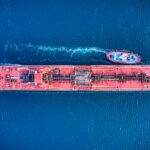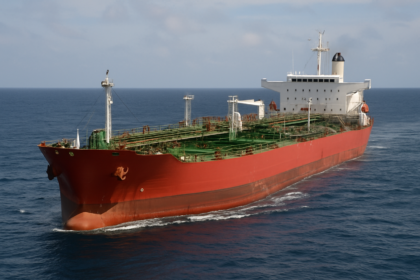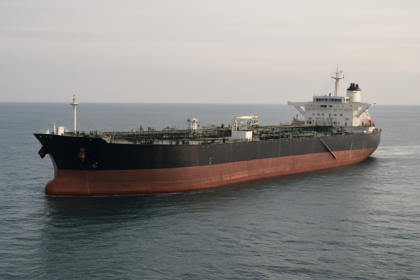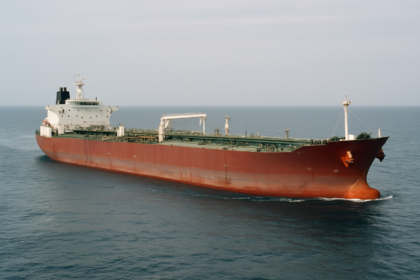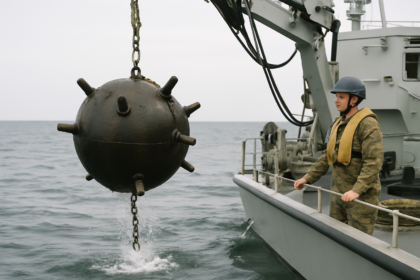
Recent maritime security incidents highlight a significant escalation in risks for shipping operators in the Middle East Gulf. On October 7, an unnamed tanker was reportedly struck by multiple projectiles 51 nautical miles off Madinat ash Shamal, Qatar, a location that underscores the growing threat landscape beyond the previously targeted Strait of Hormuz. This incident marks the first reported attack outside the strait since September 9, with UK Maritime Trade Operations (UKMTO) confirming 16 attacks on vessels in the region over just ten days.
Escalation of Attacks
The surge in maritime attacks, particularly affecting tankers utilizing the U.S. military-assisted southern corridor, raises significant security concerns. Windward’s analysis confirms that 12 of the attacked vessels were confirmed tankers, all operating in transit with their Automatic Identification Systems (AIS) turned off. The report from Windward noted that the last attack prior to this, involving a Greek-owned very large crude carrier in Iraqi waters, illustrates a worrying trend of aggressive actions by regional armed forces.
Economic Implications
This escalation in threats has driven freight costs to unprecedented levels. National oil companies are reportedly offering $50 million per transit for crude shipping to ship-to-ship transfer zones near Fujairah and Oman in a bid to maintain supply chains amid the heightened risk. Additionally, steep discounts on the official sale price (OSP) of crude have reached $35 per barrel, further complicating the economic landscape for these companies. The benchmark cost to ship crude oil from Saudi Arabia to China has crossed $1.3 million per day, raising serious considerations for the logistical and operational frameworks of shipping firms.


Market Reaction
With the freight component of crude shipments from the Gulf now soaring to levels of 25-30% of the total cost, compared to the typical 1-3%, the impact of these attacks is being felt deeply across the market. Operators must navigate increasingly perilous conditions, with reports indicating tankers have turned around mid-transit upon communication with the Iranian Revolutionary Guard Corps. This tactical shift underlines the heightened risks associated with ensuring safe transit routes in the Gulf, emphasizing the need for strategic operational adjustments.
The Operational Read
The increasing frequency and geographical spread of maritime attacks in the Gulf region signal a changing operational reality for shipping companies. As freight costs skyrocket, operators must assess not only the financial implications but also the safety of crew and cargo. The economic viability of maintaining routes through high-risk areas is under scrutiny, leading to reevaluations of risk management strategies and insurance coverages. This evolving landscape demands a proactive approach in route planning and vessel readiness to navigate the complexities of the current geopolitical situation.