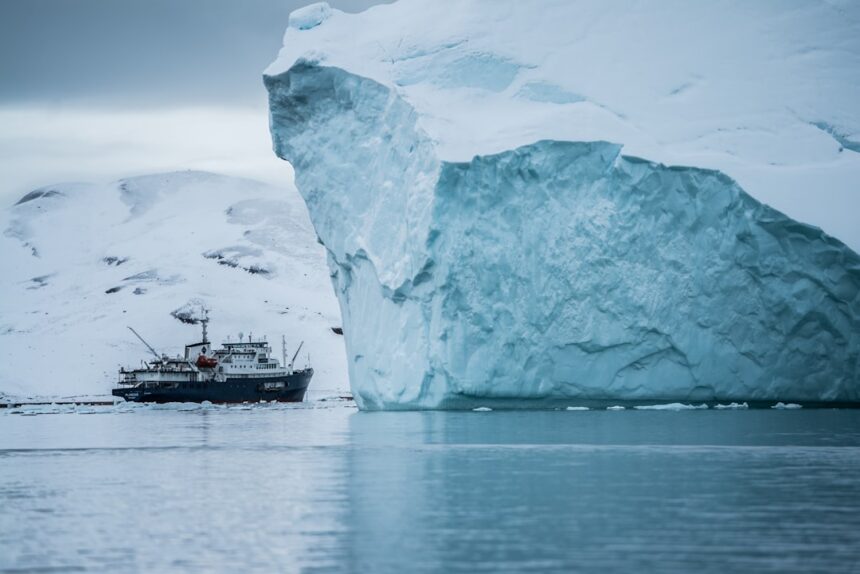
Russia is projecting an investment of around RUB10 trillion (approximately $116 billion) by 2035 to establish a comprehensive transport corridor along its Arctic coastline. This ambitious initiative aims to enhance maritime access and develop shipping capabilities in the region.
Investment Requirements
The substantial funding required for the development of the Trans-Arctic Transport Corridor indicates Moscow’s acknowledgment of significant international investment. This scale of financial commitment suggests that Russia will look to engage foreign partners to realize its vision, with China emerging as a key player in this equation.
Strategic Importance
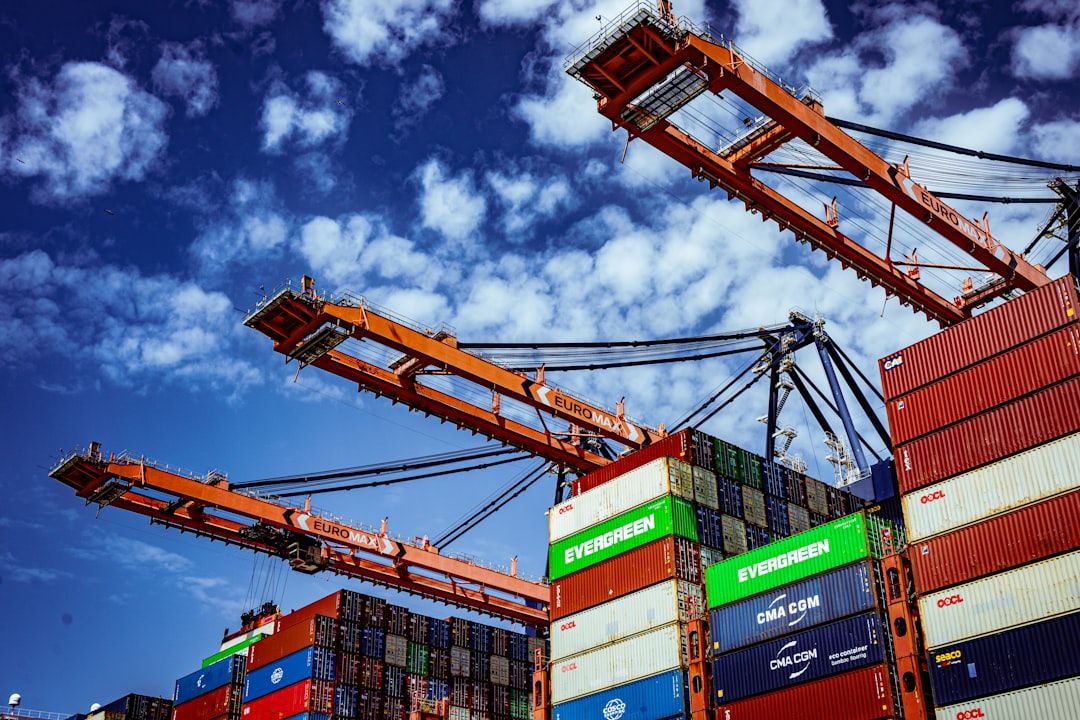
The establishment of this corridor is crucial for facilitating maritime trade in the Arctic, an area that is becoming increasingly accessible due to climate change and melting ice. The potential for shorter shipping routes not only enhances trade efficiency but also positions Russia as a pivotal player in the evolving Arctic shipping landscape.

More Read

Collaborative Opportunities
Rosatom’s chief executive, Alexey Likhachev, highlighted the necessity for substantial international collaboration to achieve the ambitious goals set for the Arctic transport corridor. China’s involvement could generate opportunities for investment and infrastructure development, potentially benefiting both nations in their shipping aspirations.
Behind the Headline
The plan for substantial investment in the Arctic shipping corridor underscores a strategic shift in maritime logistics that could reshape global trade routes. As operators and stakeholders assess the viability of operations in the Arctic, the collaboration with China may serve as a litmus test for international partnerships in high-risk, high-reward shipping ventures. The operational realities include navigating extreme weather conditions and maintaining environmental safety, which will be critical for the success of any Arctic shipping initiative. Looking forward, the implications of this development warrant close attention from industry players, as the potential reconfiguration of Arctic routes could significantly influence global maritime traffic patterns.