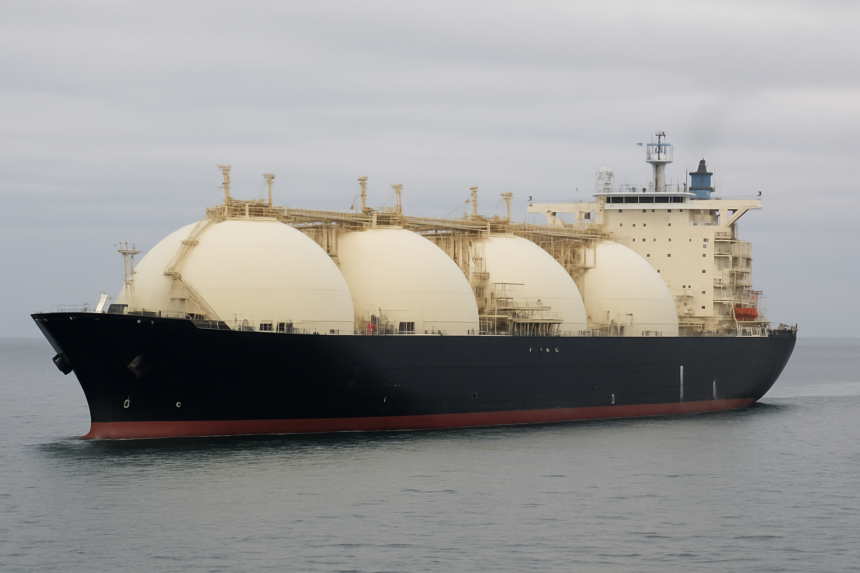
China State Shipbuilding Corporation (CSSC) has officially commenced construction of the world’s largest liquefied natural gas (LNG) carrier at its Shanghai subsidiary, Hudong-Zhonghua Shipbuilding, marking a pivotal moment in the maritime energy sector.
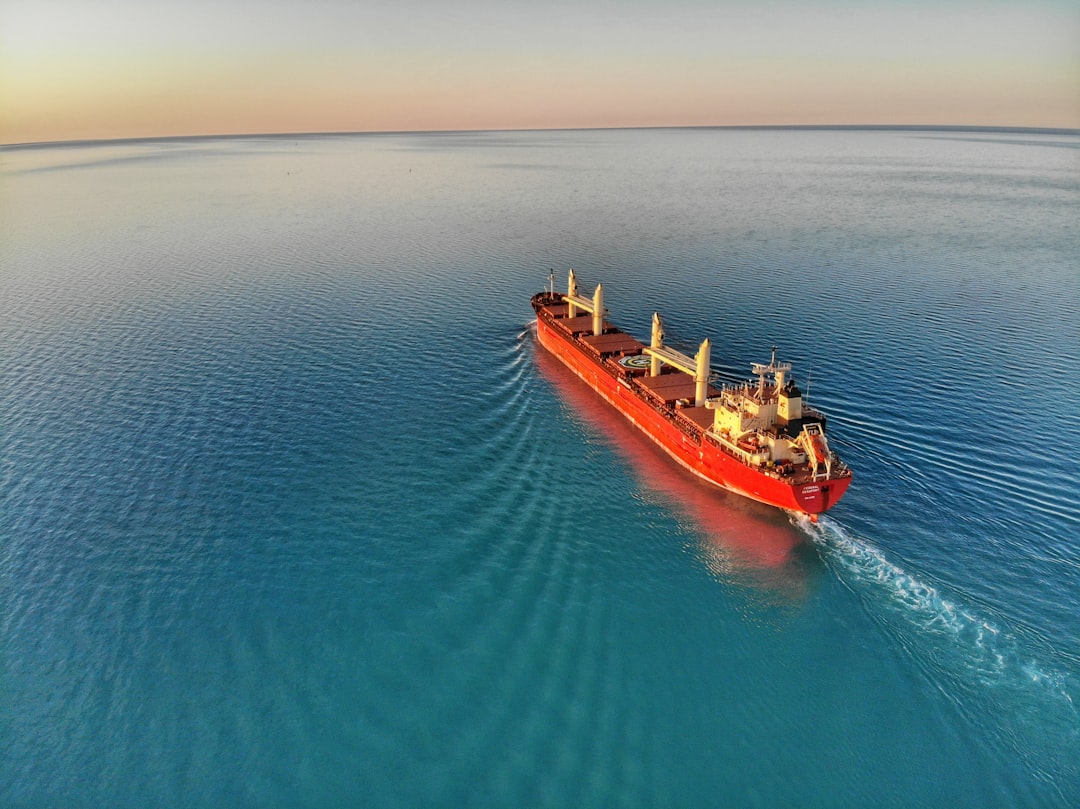
The new vessel, which is part of the QC-Max class, underscores a significant collaboration between CSSC and QatarEnergy, previously known as Qatar Petroleum. In 2024, these two industry giants entered into two major contracts for a total of 24 LNG carriers, with a staggering combined value exceeding 56 billion yuan (approximately $8.3 billion). This deal represents the largest shipbuilding order on record, setting new standards in the industry.
Design and Specifications
Each QC-Max class carrier is designed with advanced specifications, measuring 344 meters in length and 53.6 meters in width, with a draft of 12 meters. These vessels are being engineered to hold a capacity of 271,000 cubic meters of LNG, a substantial increase of around 57% compared to conventional LNG carriers, which usually max out at 174,000 cubic meters. Such capacity allows one carrier to transport sufficient natural gas to meet the demands of approximately 4.7 million households in Shanghai for an entire month.

Strategic Implications for QatarEnergy
QatarEnergy, as a state-owned entity overseeing all of Qatar’s oil and gas operations, continues to enhance its position as a leading global supplier of LNG. This partnership with CSSC not only highlights its commitment to expanding its fleet but also reflects its strategic objectives in maintaining competitive advantages in the international energy market. The construction of these state-of-the-art carriers aligns with QatarEnergy’s goals of increasing production capabilities and operational efficiencies while fulfilling global energy demands.
Market Impact and Future Outlook
The construction of such high-capacity LNG carriers is expected to influence global LNG markets significantly, particularly as demand for clean energy sources continues to rise. As countries aim to transition to more sustainable energy practices, the role of LNG as a bridge fuel becomes increasingly critical. The capabilities of the QC-Max carriers position them favourably within this evolving landscape, aligning with the global trend towards larger, more efficient vessels designed to meet extensive energy requirements.
Behind the Headline
The launch of construction for the world’s largest LNG carrier illustrates a notable evolution in shipbuilding technology and maritime logistics. With the escalating demand for LNG, particularly in energy-hungry regions, operators will need to adapt their logistical frameworks to accommodate vessels of this size. Key considerations will include bunkering strategies and port infrastructure developments capable of supporting large-scale LNG transportation, which may drive further investments in maritime facilities. The performance of these carriers in operational scenarios will also provide insights into the economic viability of transporting LNG on such a scale, potentially reshaping future market dynamics.