Update 18 Sep 2026, 18:33 UTC:
The Strait of Hormuz has experienced a concerning uptick in maritime attacks, coinciding with Saudi Arabia’s intensified reliance on the waterway for oil transportation. Reports from UK Maritime Trade Operations (UKMTO) detail multiple incidents involving commercial vessels since September 16, including two confirmed strikes by projectiles and a nearby security incident in Khasab, Oman.
Details of the Incidents
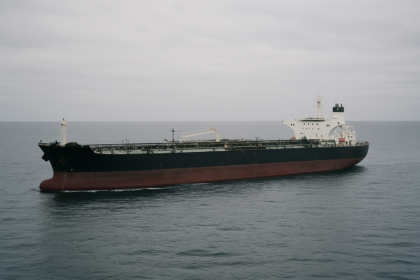
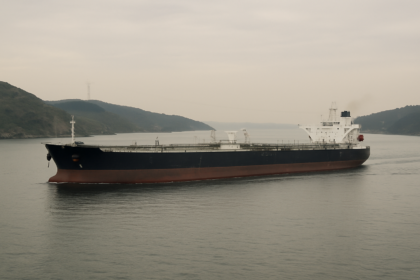
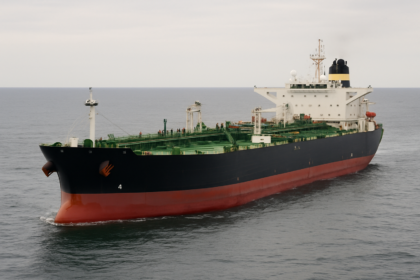
The Islamic Revolutionary Guard Corps Navy took responsibility for an attack on the Togo-flagged tanker Trend, alleging that it attempted an unauthorized transit through Hormuz. Iran claimed the vessel was struck and rendered inoperative after a fire erupted. Further incidents include two additional warnings issued by UKMTO on September 17, where another tanker was reportedly hit by a projectile while outbound through Hormuz. Fortunately, crews in the affected vessels have been confirmed safe.

Impact on Saudi Arabian Oil Exports
Recently, Saudi Arabia has had to shift its oil shipment strategy back to the Strait of Hormuz following drone strikes that damaged three pumping stations on its East-West Pipeline. This critical bypass route had previously allowed substantial volumes of crude oil to be exported without transiting the strait. Industry estimates suggest that the repairs to these facilities may take up to six weeks, prompting a renewed focus on Hormuz for transporting approximately 60 million barrels of oil in the coming weeks.
Traders have indicated that some crude shipments are being conducted via ship-to-ship transfers near Sohar, Oman, further intensifying the operational risks in the region. Amidst these developments, UKMTO has reported that the southern Omani route is now considered the highest-risk corridor with 22 projectile strikes recorded since early July, primarily targeting engine rooms of vessels.
The Broader Pattern of Risk
The increase in incidents is reflective of the broader security challenges facing shipping operations in the region as Iranian forces have shown a propensity for challenging movements they perceive as unauthorized. While the attack on the Trend has been directly attributed to Iran, the other recent strikes have not, indicating that the situation remains fluid and potentially escalatory.
The Operational Read
The recent spike in attacks within the Strait of Hormuz highlights the precarious balance of maritime security and oil logistics in a region critical to global energy supply. Operators must now navigate heightened risk awareness, particularly as more Saudi oil is re-routed through Hormuz due to infrastructure vulnerabilities. Vessels traversing these waters may face increased scrutiny and potential security incidents, suggesting that immediate assessments and contingencies are necessary for continued operations. Industry stakeholders should monitor the dynamics of regional shipping security closely, as the combination of Iranian assertions and operational dependencies on the strait points to a potentially turbulent period ahead.