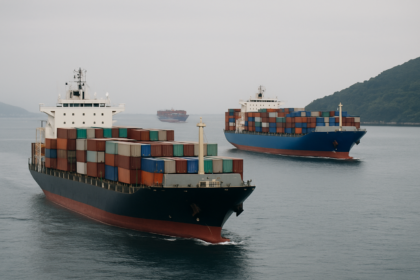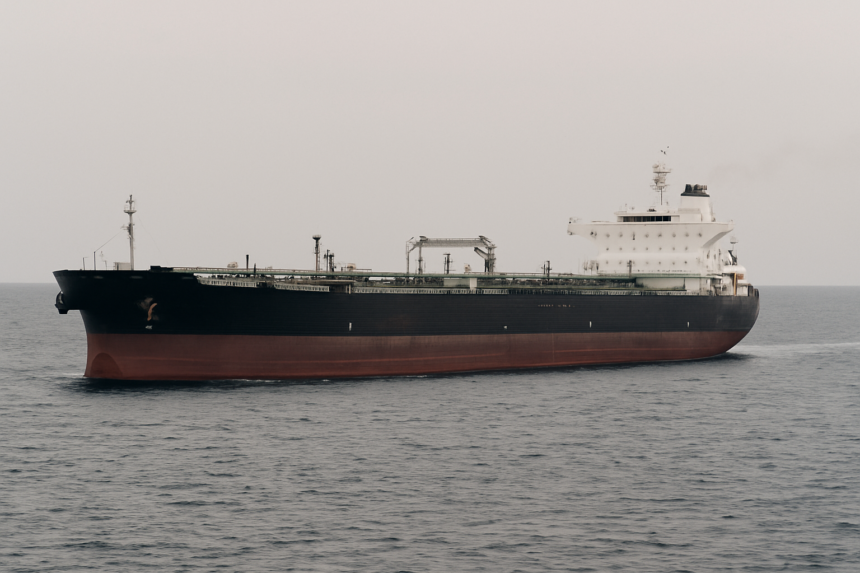
Japan’s Mitsui O.S.K. Lines (MOL), a leading player in the global shipping industry, predicts a period of uncertainty lasting several weeks to a month for navigation through the critical Strait of Hormuz. This outlook follows a recent memorandum of understanding between the U.S. and Iran to promote peace, signed on June 17.
Understanding the Current Situation
President and CEO Jotaro Tamura, in remarks made to Platts, noted that while a high-level agreement has been reached, actual conditions on the ground have not yet changed. MOL is focused on the impact of this geopolitical agreement and remains vigilant regarding developments in the Strait. “At present, only the announcement has been made, and the actual situation on the ground in the Strait of Hormuz has not changed,” Tamura stated.
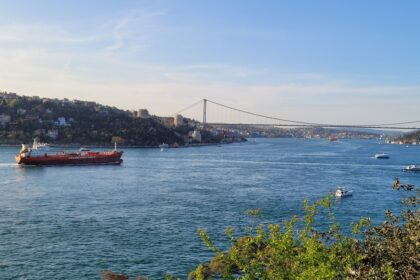
This cautious assessment highlights the complexities of navigating geopolitical tensions that have historically impacted the region. The Strait of Hormuz is vital for oil shipping; disruptions here could lead to significant shifts in the industry. Tamura suggested that, even with potential normalization, the shipping sector must prepare for continued geopolitical challenges.

Impact on Oil Shipping Practices
Should navigation through the Strait of Hormuz resume, it is anticipated that oil shipping practices may evolve. Tamura emphasized the necessity for operators to diversify their procurement sources in response to persistent geopolitical risks. This strategic pivot aims to mitigate potential disruptions linked to future conflicts, reinforcing the importance of adaptable shipping routes.
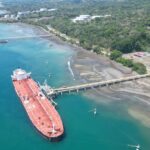
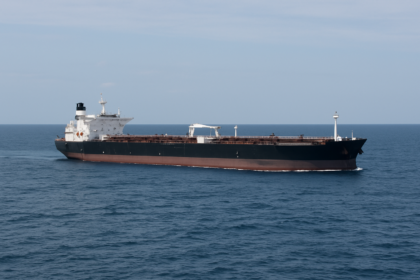
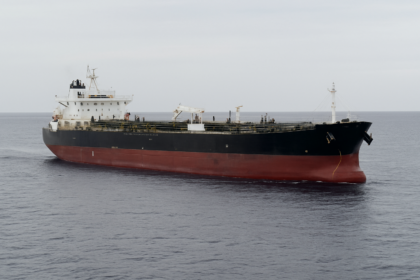
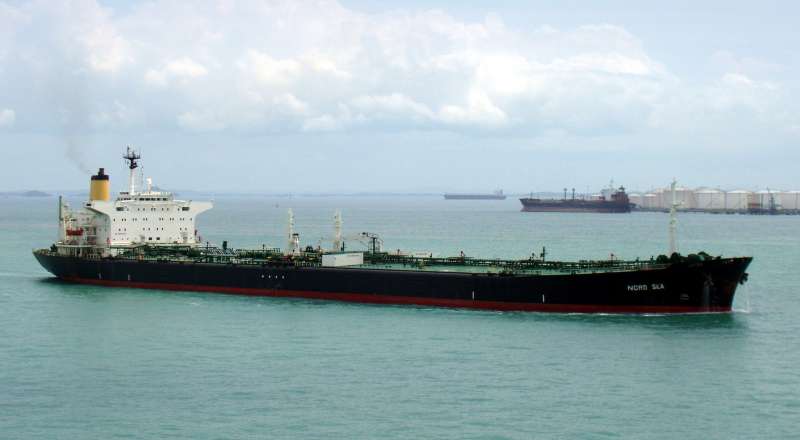
Industry responses may include ramping up tanker demand as oil markets react to these dynamics. MOL’s proactive stance on logistics is critical, given its fleet of 35 crude oil tankers, designed for efficient operations in challenging conditions.
Broader Strategic Focus
In the context of ongoing geopolitical volatility—such as the recent Russia-Ukraine conflict and tensions around the Red Sea—MOL is adjusting its operational strategies. Tamura pointed out the necessity for enhanced preparedness in light of these unpredictable events, which he argues are becoming the norm rather than isolated incidents.
To further stabilize its income amidst the unpredictable shipping landscape, MOL is also actively expanding its liquefied natural gas (LNG) business, building on its status as the world’s largest LNG carrier operator. This strategic expansion includes participation in the Delfin FLNG 1 project, set to commence production in 2030, underscoring MOL’s commitment to broadening its energy offerings across the LNG value chain.
The Operational Read
The current situation in the Strait of Hormuz highlights the delicate balance ship operators must maintain amidst geopolitical tensions. MOL’s anticipatory measures reflect an understanding that the shipping landscape is evolving, influenced by broader geopolitical events. As operators monitor potential changes during this transitional phase, strategies tailored around diversity and adaptability will be crucial. The emphasis on LNG expansion showcases MOL’s recognition of emerging energy market dynamics and reflects the ongoing importance of preparing for a continually shifting operational environment.