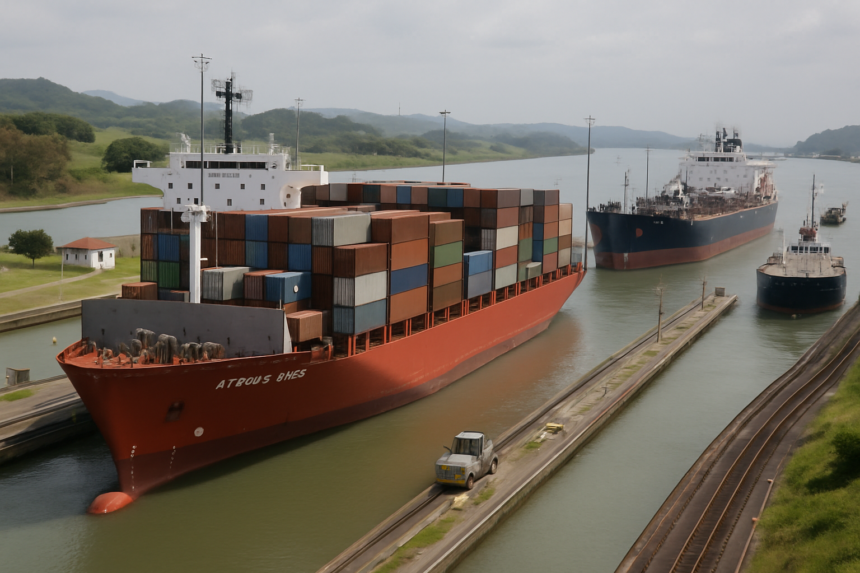
The Panama Canal Authority (ACP) has announced a tightening of draft restrictions for vessels transiting its Neopanamax locks, effective later this summer. This decision is part of a strategic response to the strengthening El Niño phenomenon, which is projected to lead to reduced rainfall across the canal watershed.
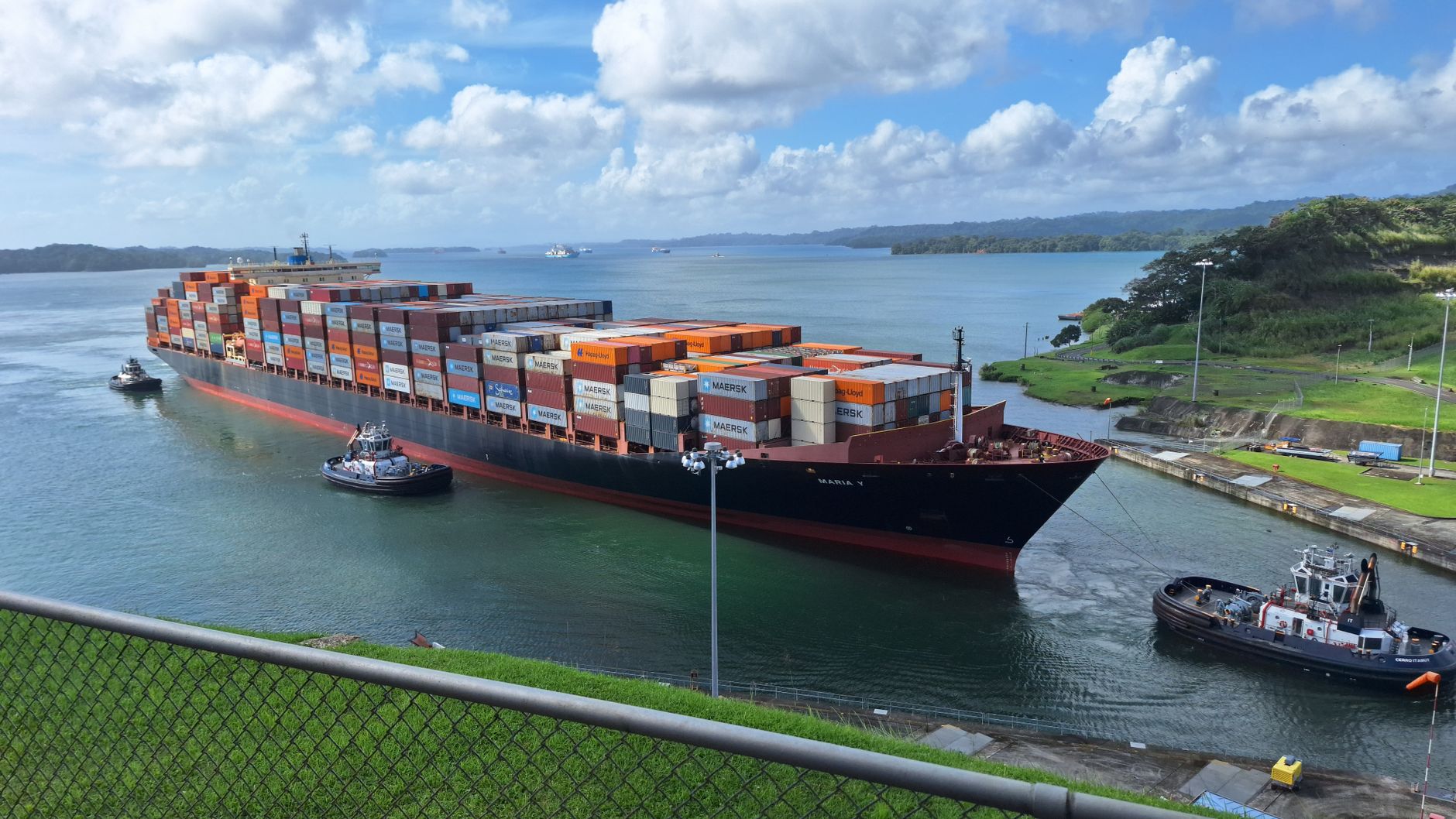
In an advisory issued on July 1, the ACP revealed that the maximum authorized draft will be lowered to 49.0 feet (14.94 meters) tropical fresh water (TFW), taking effect on July 24. Following this, a further reduction to 48.5 feet (14.78 meters) will be implemented on August 15. These measures come after an initial reduction to 49.5 feet that was enacted on July 3.
The Impact of El Niño
The implementation of these restrictions aligns with the canal authority’s water management strategy, aimed at ensuring the “safe, reliable and sustainable” operation of the waterway given the current hydrological challenges. The recent advisory emphasized the ACP’s commitment to monitoring lake levels and hydrological conditions, with additional operational adjustments being announced as required.

The World Meteorological Organization has reported the development of El Niño conditions in the tropical Pacific, noting that these are expected to strengthen significantly through the Northern Hemisphere autumn. Forecast models indicate a high likelihood of droughts and extreme weather in various regions, including Central America, which could have downstream effects on water availability for the canal.
Operational Adjustments and Measures
The reduced rainfall directly challenges the Panama Canal, as the entire transit operation is dependent on freshwater from Gatun Lake. The ACP has introduced various water conservation strategies over the past year to mitigate potential impacts. These measures include the enhanced use of water-saving basins in the Neopanamax locks, simultaneous lockages for smaller vessels, and suspension of hydroelectric generation at Gatun Lake to prioritize the preservation of water resources.
Despite the limitation on draft, canal operations appear resilient, with the ACP managing approximately 38 daily transits, which is near the upper capacity of the canal. This sustained traffic can be attributed to the recovery in shipping demand following prior drought conditions and ongoing disruptions in alternative trade routes. With the canal facilitating about 5% of global maritime trade, the continued operational viability of this critical waterway remains crucial.
Behind the Headline
The latest draft restrictions in the Panama Canal underscore the operational challenges posed by climate variability. As El Niño is expected to create water scarcity, the ACP’s proactive measures are critical for ensuring that shipping operations can continue smoothly. For ship operators and owners, these adjustments may necessitate recalibrating loading practices or considering alternate routing to mitigate delays, especially given the canal’s importance in global shipping networks. Monitoring of hydro-meteorological conditions will remain a priority, as further changes could alter operational dynamics in the coming months.