Update 06 Jun 2026, 22:35 UTC:
Container shipping rates have dramatically escalated due to the ongoing conflict involving Iran, coupled with rising fuel costs and congestion at critical Asian ports. The latest data indicates that rates for a 40-foot container to the US West Coast have reached $3,933, a 20% increase from the previous week, while rates for Europe-bound containers have surged by 27% to $3,649.
Significant Rate Increases
According to insights from Xeneta, an Oslo-based freight platform, the overall cost of shipping from Asia to the US has skyrocketed by 109% since the conflict in Iran began on February 28, and Europe-bound charges have increased by over 50%. Such increases reflect the current volatility in shipping rates, attributed to both geopolitical tensions and logistic challenges in key transit regions.

Impact of Port Congestion
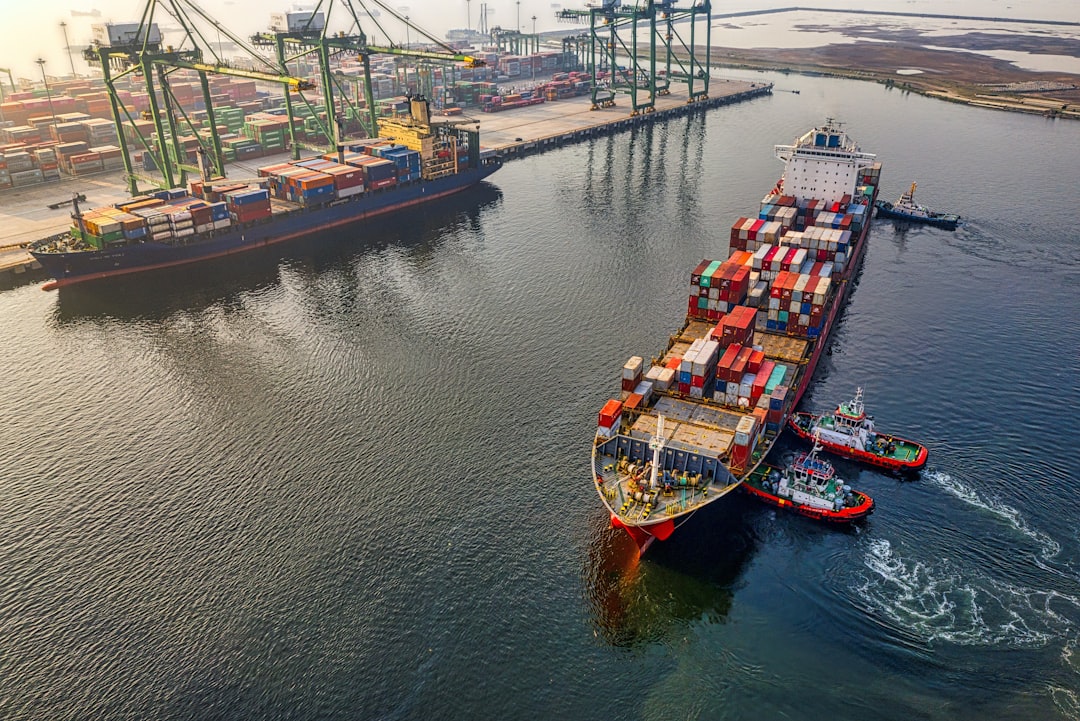
Peter Sand, chief analyst at Xeneta, emphasized that port disruptions are “toxic for supply chains,” particularly at transshipment hubs critical to global trade, such as Singapore and Port Klang. These ports are experiencing significant congestion due to rerouted shipments stemming from the Iranian conflict, impacting logistic flows beyond the immediate vicinity of the Strait of Hormuz.
With the peak season for shipping approaching in July and August, businesses are facing tighter shipping capacity as importers prepare for increased inventory needs. Consequently, shipping carriers have begun applying fuel surcharges, effectively transferring some of the escalating costs of the ongoing energy crisis to importers.
Market Outlook
The rapid rise in freight rates appears poised to continue, with analysts noting that should shippers opt to front-load imports to mitigate further disruptions, carriers may further escalate rates. As the market dynamics evolve, the potential for sustained high rates looms, particularly if oil prices remain elevated.
Behind the Headline
This wave of rising freight rates highlights the tense interplay between geopolitical events and supply chain logistics. For operators and charterers, the escalating costs and port congestion present significant operational challenges. It illustrates the broader implications for global trade, where even minor disruptions can result in substantial market fluctuations. Stakeholders are advised to monitor conditions closely, as further geopolitical developments could continue to shape shipping rate trends and reliability for months to come.