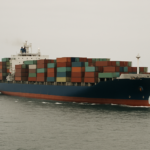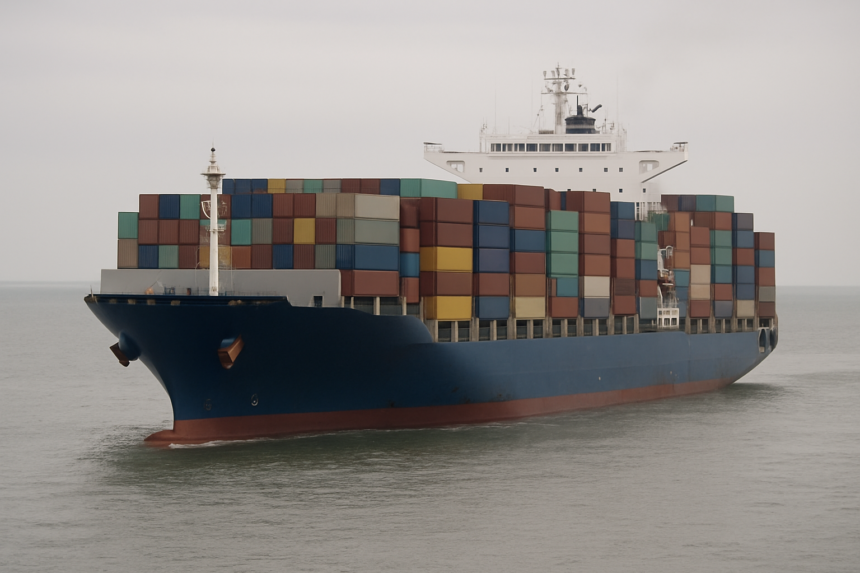
French shipping giant CMA CGM has officially launched the CMA CGM Notre Dame, touted as the world’s largest LNG-powered container ship, to bolster its capacity on the vital Asia-Europe trade route. The inauguration took place on Thursday at Le Havre, where the vessel commands attention at nearly 400 meters in length and over 62 meters in width, enabling it to transport up to 24,000 TEU.
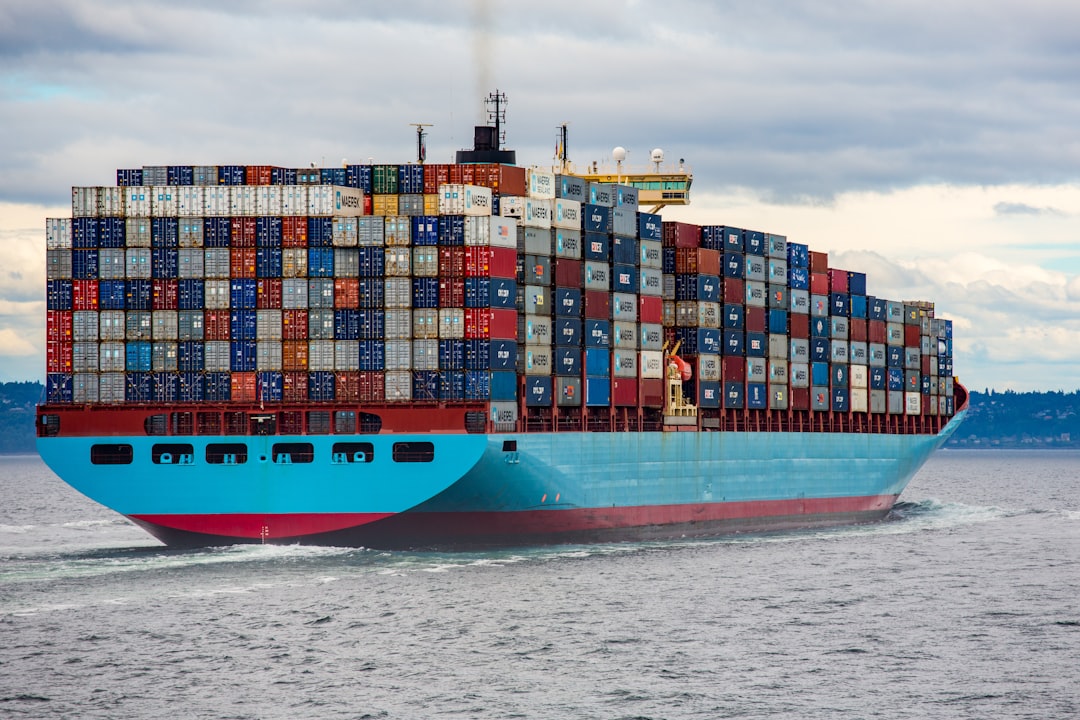
With its maiden journey scheduled to depart for Asia on Monday, the Notre Dame is poised to call at key global ports including Rotterdam, Hamburg, Antwerp, Tanger Med, Port Klang, Singapore, Yantian, Shanghai, and Ningbo. The vessel is expected to complete the round trip in slightly over 100 days, carrying significant cargo including chemicals, luxury goods, and electronics, with the total value of the transported goods projected between €2.5 billion and €3 billion.
Environmental Commitment
The CMA CGM Notre Dame epitomizes the shipping industry’s shift toward more sustainable practices, running on liquefied natural gas (LNG), which helps reduce carbon dioxide emissions by approximately 20-25%. The ship also minimizes sulphur oxide emissions and nitrogen oxide emissions significantly, positioning it favorably within the European Union’s policy framework aimed at decreasing greenhouse gas intensity.

In his remarks at the launch, CMA CGM Chairman and CEO Rodolphe Saadé emphasized the strategic importance of this initiative for European economic competitiveness. Amidst geopolitical tensions that threaten maritime trade routes, the investment in larger, more efficient vessels aligns with the EU’s objectives to enhance supply chain resilience and environmental sustainability.
Technological Innovations
Equipped with one of the most advanced natural gas propulsion systems, the Notre Dame is also designed to be compatible with bio-LNG and synthetic e-LNG fuel types, reflecting CMA CGM’s long-term ambition to achieve net-zero carbon emissions by 2050. This commitment coincides with the EU’s FuelEU Maritime Regulation, which aims for an 80% reduction in greenhouse gas intensity by the same year.
Furthermore, the integration of artificial intelligence capabilities for real-time navigation marks a significant advancement, offering operational efficiency in a sector increasingly pressured to adapt to greener practices. While LNG presents a lower emissions profile compared to heavy fuel oil, it bears the challenge of potential methane slip, an issue CMA CGM acknowledges as a concern for both environmental and operational management.
Behind the Headline
The introduction of the CMA CGM Notre Dame highlights the maritime industry’s ongoing transition towards environmental sustainability amid pressing global economic dynamics. Organically aligning operational capabilities with EU regulations, this vessel exemplifies how large-scale investments in cleaner technologies can enhance market resilience while mitigating environmental impacts. Moving forward, market participants should closely monitor the effectiveness of LNG adoption, potential regulatory developments affecting emissions, and the ship’s operational performance as CMA CGM rolls out its fleet expansion strategy.