The Incident
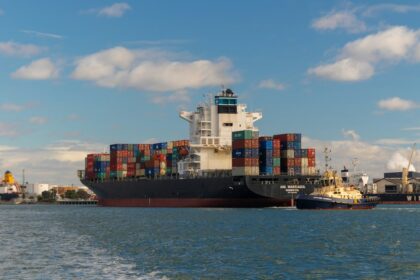
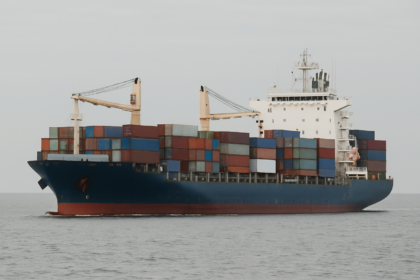
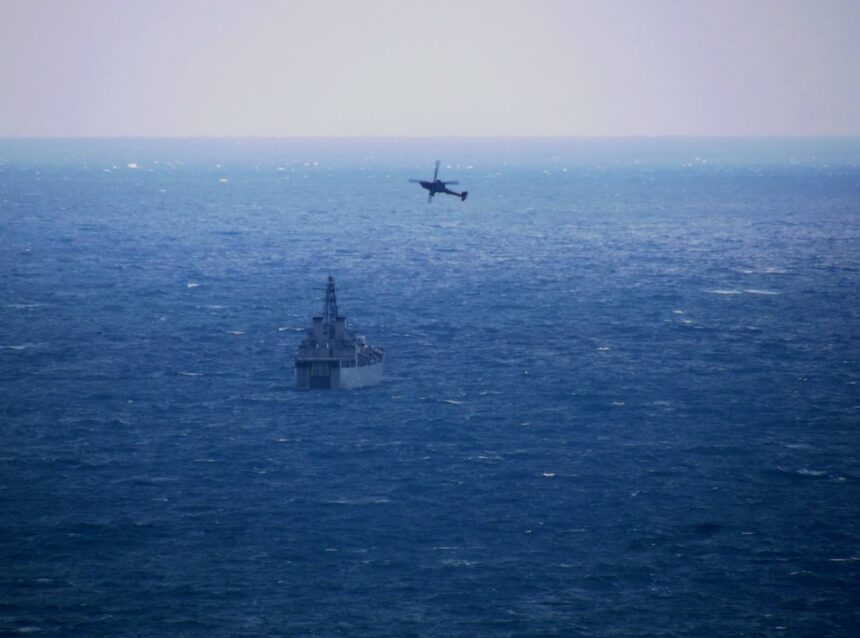
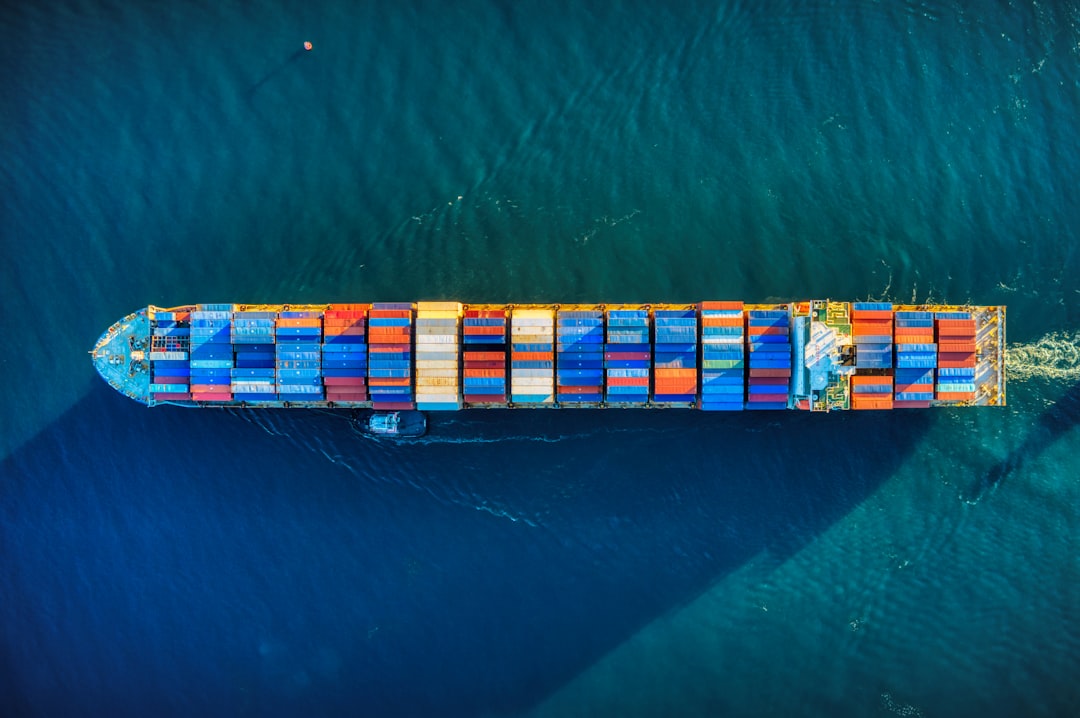
On August 11, the number of ships transiting the Strait of Hormuz sharply declined to 16, following a US Navy engagement with the Panama-flagged Vela Nova, a container ship bound for Iran. The US Central Command (CENTCOM) confirmed that an MH-60 helicopter fired two Hellfire missiles at the vessel, which had reportedly sailed from Jawaharlal Nehru Port in India six days earlier. The ship was last seen displaying a ‘not under command’ status, complicating its situation before the strike.
Traffic Impact
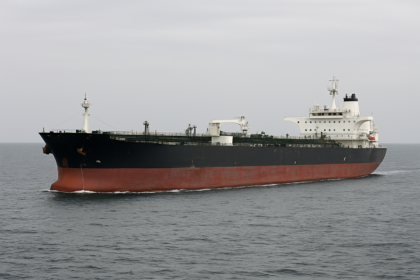
According to a S&P Global Commodities at Sea report, this decrease in maritime activity through the Strait contrasts with the 36 vessels that transited the Bab al-Mandab Strait leading into the Red Sea on the same day, down from 40 on August 10. The reduction in Hormuz transits underscores the growing risks for shipping operations in this critical waterway as military actions intensify. Even with the heightened tensions, notable oil tanker movements such as the VLCC Vadin and LR1 Mezaira’a continued, indicating that trade flows still proceed amidst the threats. Meanwhile, the Abu Dhabi National Oil Company (ADNOC) refrained from providing comments on these individual ship movements.
Strategic Context
Since mid-July, US military actions in the region have intensified, with CENTCOM reporting that 55 commercial ships have been redirected and three disabled while attempting to breach the blockade. Additionally, two vessels have been boarded. These developments signal an escalatory trend in US-Iran maritime tensions, affecting the dynamics of shipping operations as companies reassess risks associated with transiting the Strait of Hormuz.

The Operational Read
The recent US Navy engagement with the Vela Nova highlights a pivotal shift in operational security for maritime operators in the Strait of Hormuz. The ongoing blockade enforcement by US forces raises concerns about potential disruptions to shipping schedules, impacting laytime and increasing insurance premiums for operators. With military presence in the Gulf intensified, crews and charterers face renewed risk assessments when planning routes through this geopolitical hotspot. Keeping abreast of US naval activities and potential retaliatory measures from Iran will be critical as the situation evolves, potentially prompting adjustments in trading patterns and enhanced maritime security protocols.