Update 08 Nov 2026, 14:32 UTC:
Oil traders are actively seeking approval from the US government to utilize certain tankers previously sanctioned for their involvement in shipping illicit oil. This initiative aims to mitigate a critical vessel shortage and subsequently lower escalating oil prices, which have surged amid heightened geopolitical tensions.
The Negotiations
At least four major oil companies, including Trafigura Group, Vitol Group, Mercuria Energy Group Ltd., and Abu Dhabi National Oil Co. (ADNOC), are in discussions with US officials regarding licenses that would permit them to purchase or lease ships blacklisted by the US government. These negotiations emerge in response to a significant vessel crunch triggered by the conflicts stemming from the US and Israel’s actions against Iran, which have led to unprecedented supply disruptions.

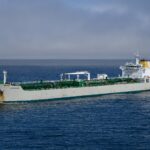
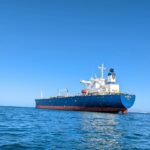
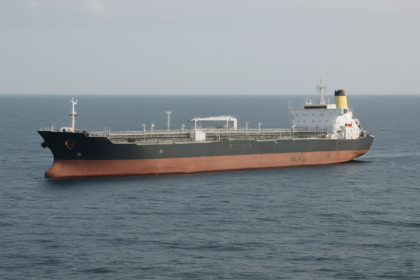
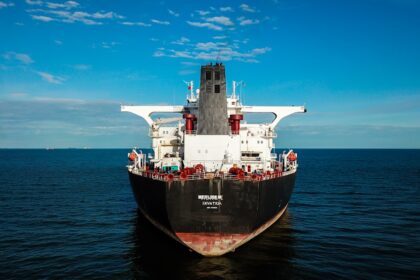
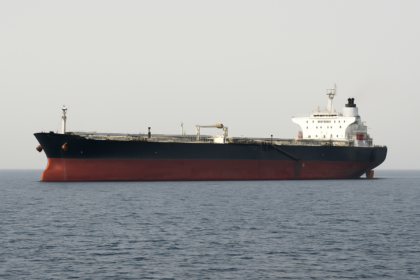
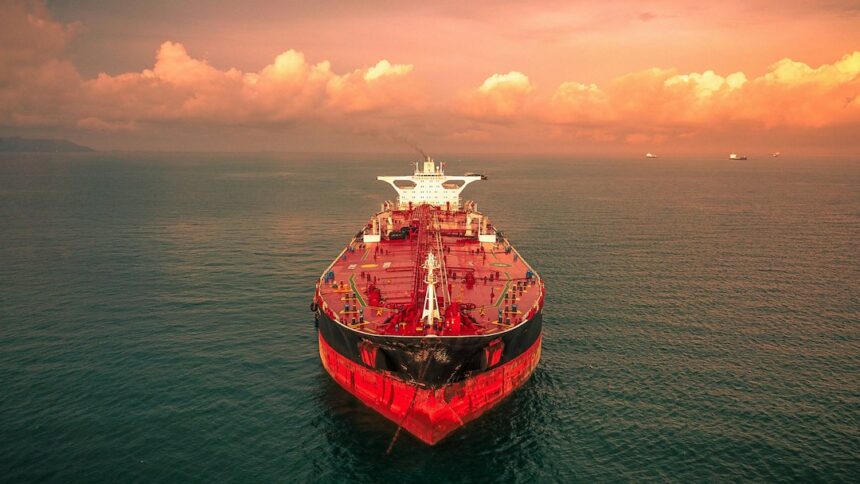
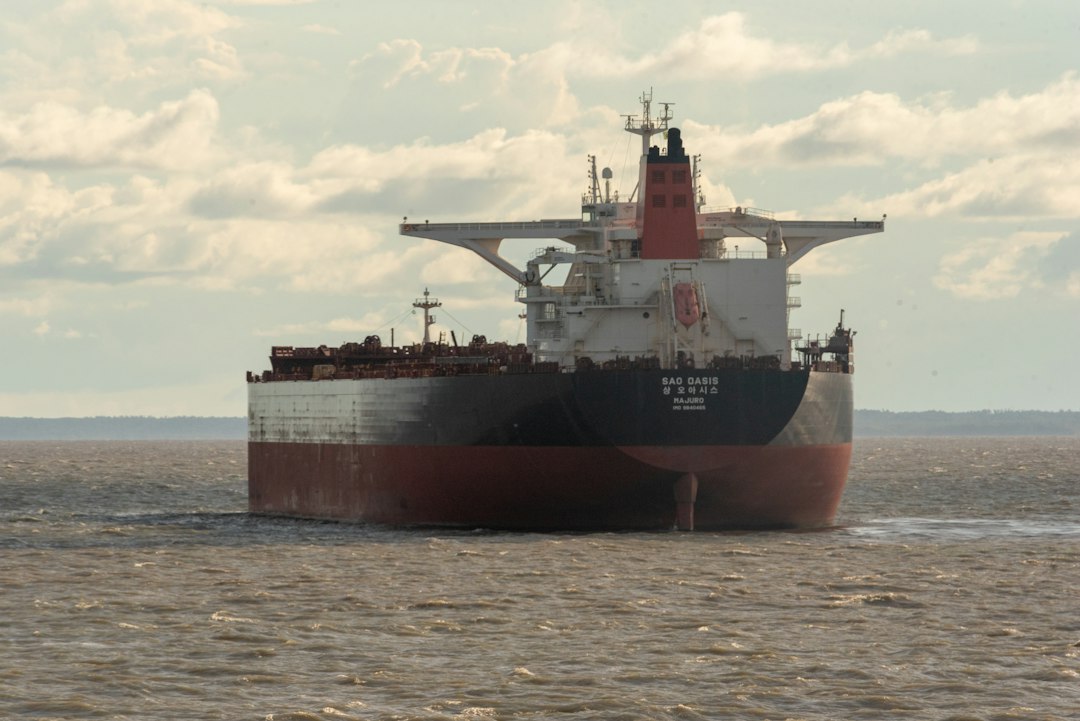
US Energy Secretary Chris Wright has indicated that the administration is exploring collaborations with investors who can acquire and refurbish idled sanctioned tankers for transporting non-sanctioned oil. The strategy involves converting what officials refer to as ‘dark tankers’ into compliant vessels. According to sources familiar with the matter, Treasury officials are assessing applications and may offer authorizations on a case-by-case basis.
The Financial Context
Currently, the US has sanctioned about 1,600 ships, out of which discussions encompass around 50 vessels. The costs associated with transporting US oil to Asia via supertankers reached nearly $40 per barrel in early October, a stark increase from $5 the prior year. This uptick in freight rates, exacerbated by a shortage of available tankers and increased routing risks through the Strait of Hormuz, has compelled charterers to pay higher insurance premiums and absorb costs, further elevating the final price of oil.
Despite some softening in rates since their peak, freight costs remain near record highs, contributing to oil prices that linger around $100 per barrel. While the Trump administration has implemented various strategies to combat rising energy costs, including the release of millions of barrels from emergency reserves, pump prices continue to remain stubbornly high. These costs have emerged as a pivotal issue in the recent midterm elections, impacting the Republican Party’s performance.
It is noteworthy that any potential licenses from the US Treasury or the Office of Foreign Assets Control would solely be applicable to vessels sanctioned by the US, which complicates the broader picture as the European Union and UK have enforced significant restrictions on Russian and Iranian oil.
The Operational Read
The ongoing negotiations for the revitalization of sanctioned tankers highlight critical supply chain vulnerabilities in the global oil market. For operators and charterers, the prospect of returning formerly sanctioned ships to service presents both opportunities and challenges. The operational feasibility of integrating these vessels into legitimate service will depend largely on their condition and past uses. Effective repurposing could alleviate ongoing vessel shortages and, in turn, help to stabilize freight rates, yet the complexity of sanctions compliance remains a significant concern. Decision-makers in shipping must closely observe the evolving regulatory landscape and the specific parameters of any licenses issued, as these will dictate operational strategies and financial planning in the near term.