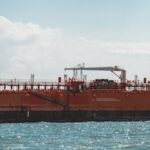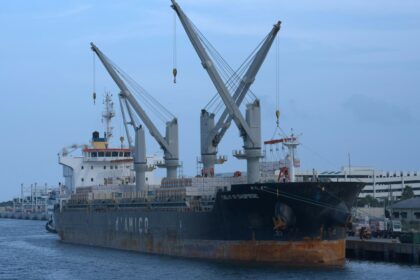
Russia has taken control of two heavy-lift carriers, Bright (IMO 9830769) and Glory (IMO 9934498), which have been integral to transporting essential equipment for the Arctic LNG 2 project. This move comes as part of a broader strategy to bolster Moscow’s logistics capabilities tied to its Arctic energy initiatives. The vessels reappeared on the Automatic Identification System (AIS) near Murmansk under the Russian flag after being transferred to Russia’s Eco Shipping LLC, according to vessel records.
Strategic Logistics Enhancement
By acquiring these heavy-lift vessels, Russia enhances its control over a vital supply chain element for the Arctic LNG 2 project. This project is key to increasing LNG production capabilities and diversifying Russia’s export markets amid ongoing Western sanctions. The vessels previously belonged to Guangdong Nan Feng Shipping Co., reflecting a shift in ownership that aligns with Russia’s increasing efforts to develop a self-sufficient logistics network for its energy projects.
Recent Operations and Future Prospects
This acquisition is particularly significant following the recent successful delivery of construction modules for the LNG project to Novatek’s construction center at Belokamenka, which underscores the operational history of Bright and Glory in facilitating Arctic logistics. Both vessels were involved in transporting substantial equipment from China to Russia, including oversized modules specifically designed for the Arctic LNG 2 facility. In mid-September, they made a discreet voyage to deliver these modules without broadcasting their presence.

Looking ahead, the future operational plans for Bright and Glory remain uncertain. Satellite imagery indicates at least seven additional modules required for the third production train of the Arctic LNG 2 project are still in China. Should these vessels return to China for further equipment collection, it may signify a continued commitment to expanding Russian capabilities in LNG production and export.
Behind the Headline
The re-flagging and ownership of Bright and Glory illustrate the evolving landscape of shipping logistics within Russia’s Arctic energy sector. The consolidation of such assets allows for greater efficiency in transporting critical components, signaling a shift towards domestic capabilities amid the growing presence of sanctions. For operators and charterers, this development could lead to new dynamics in the global LNG market, particularly as Russia looks to market its LNG technology and infrastructure concepts to regions such as Africa and possibly Alaska. Monitoring future deployments of these carriers will be essential for understanding the strategic implications within the international energy arena.