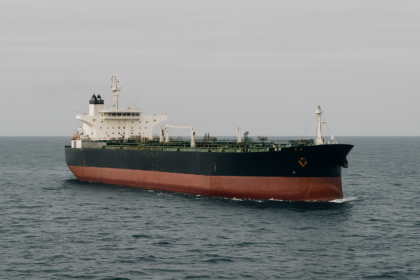
The Iranian Persian Gulf Strait Authority has revealed a blacklisting of 77 vessels that reportedly transited the Strait of Hormuz without paying required tolls. This list, made public in three releases on August 24, September 2, and September 14, reflects Iran’s ongoing attempts to assert control in this pivotal maritime passage.
The Blacklist Details
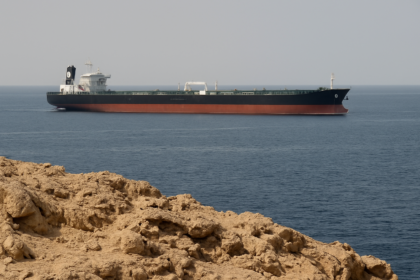
According to a Windward analysis, all listed vessels used either the unauthorized southern corridor through Omani waters or transited Iran’s northern corridor without the requisite permissions. The targeted nature of the list indicates a punitive stance against vessels that Iran deems to have undermined its authority by bypassing its toll regime. Notably, approximately 85% of the vessels are oil tankers, reflecting their significant reliance on the military-supported southern corridor for oil exports, despite the average transits being only 16% of pre-war levels.
Vessel Ownership and Flagging Trends
A significant 38% of blacklisted vessels are flagged in Liberia, with other notable flags including Panama and Barbados. This dominance highlights Liberia’s role as a preferred flag for vessels owned by major operators involved in Hormuz transits. Furthermore, about 40% of the blacklisted vessels are owned or chartered by companies based in the UAE, illustrating the nation’s integral participation in using the southern corridor since the commencement of covert shipments in May, backed by U.S. military assistance.

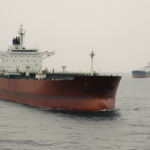
Support from firms like ADNOC has been evident, with the national oil company reportedly paying high charter rates to secure vessels for these critical transits to offshore areas before distribution to Asia or India. This trend reflects shipping operators’ willingness to navigate increased risks associated with higher premiums linked to transiting through the Strait.
The Impact of Classification Societies
In connection to the blacklist, the Iranian authority pointed out the responsibilities of classification societies and marine insurers to protect themselves from repercussions stemming from associations with these vessels. Most listed vessels reportedly have P&I cover from the International Group of 12 P&I Clubs, which prohibits coverage for ships that pay tolls to Iran.
Despite the issuance of blacklists, the persistence of vessels operating in the Strait suggests a diminishing effect on their trading activities, in part due to the lack of stringent enforcement measures by the Iranian authorities. This ongoing scenario presents operators with an increasingly complex operating environment.
The Operational Read
The ongoing blacklisting of vessels traversing the Strait of Hormuz reflects heightened geopolitical tensions and signifies Iran’s attempts to regain control over its strategic waters. For operators, this situation underscores the imperative to navigate carefully, as the implications of blacklisting can affect insurance coverage and operational viability. Companies are encouraged to assess their risk exposure and insurance strategies thoroughly, especially while engaging with flagged vessels from countries heavily impacted by these sanctions. Moving forward, operators may need to develop alternative routing strategies or reconsider partnerships with firms associated with blacklisted vessels, directly influencing contractual commitments and shipping logistics.