Update 21 Sep 2026, 06:33 UTC:
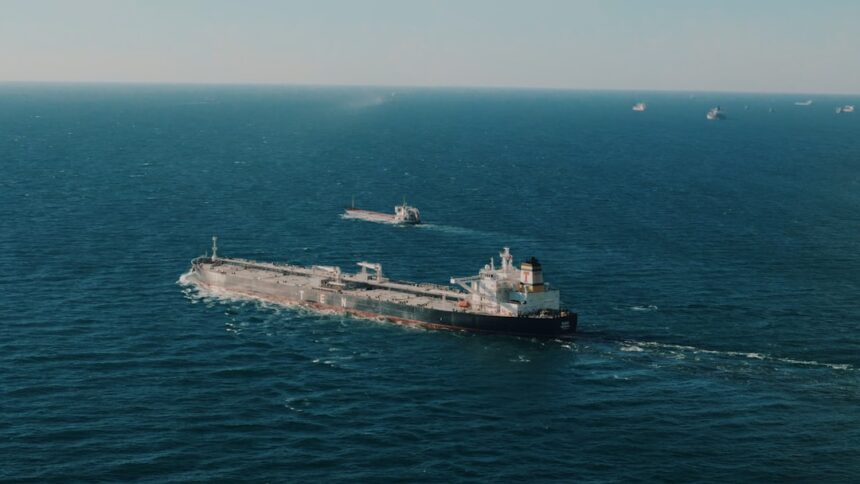
The Liberia-flagged LNG carrier Vivit Africa has reportedly been diverted after the crew claimed a systems failure due to a suspected cyberattack. The incident raises significant concerns regarding the vulnerability of maritime safety systems to digital intrusions.
Owned by South Korea’s H-Line Shipping and under long-term charter to commodities giant Vitol, Vivit Africa had been en route to Italy with a cargo of liquefied natural gas (LNG) when crew members activated emergency protocols following the systems failure. The exact nature of the compromise remains under investigation, but initial reports suggest that hackers may have gained unauthorized access to the vessel’s control systems.


The Incident
This alarming episode is part of a broader trend of increasing cyber threats affecting the shipping industry. With the rise of digitalization in maritime operations, vessels become more susceptible to attacks that can jeopardize safety and operational integrity. Regulatory bodies and industry stakeholders have been emphasizing the need for robust cybersecurity measures to mitigate such threats.
Market Impact
The incident involving Vivit Africa could have ripple effects across the LNG market. As shipping lines and charterers become more aware of cybersecurity vulnerabilities, the demand for advanced protective systems is expected to increase. Furthermore, such incidents may raise insurance premiums and lead to heightened scrutiny during port calls.
Operator Response
In response to this and similar incidents, H-Line Shipping and other industry operators might enhance their cybersecurity protocols, investing in advanced monitoring systems and training for crews to identify and mitigate potential threats. Compliance with international cyber security guidelines, such as those from the International Maritime Organization (IMO), will likely become a priority across the sector.
Behind the Headline
The reported cyberattack on the Vivit Africa underscores the operational realities of modern shipping, where digital systems manage crucial safety functions. For operators, this incident serves as a stark reminder of the potential vulnerabilities linked to increased connectivity on vessels. The urgency to reinforce cybersecurity measures will likely intensify as the shipping industry grapples with evolving threats. Moving forward, stakeholders must prioritize investments in cyber defense strategies to protect maritime operations and ensure safety at sea.