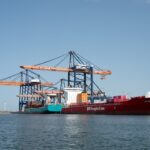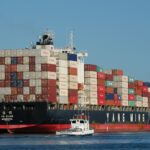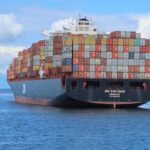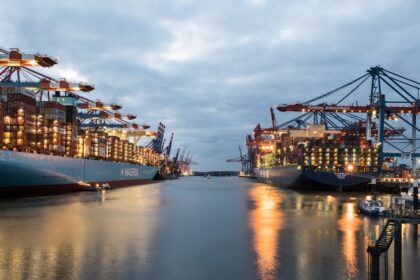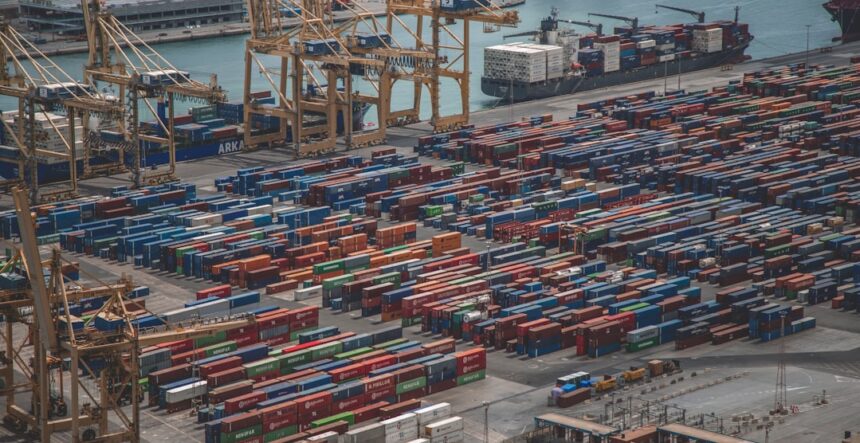
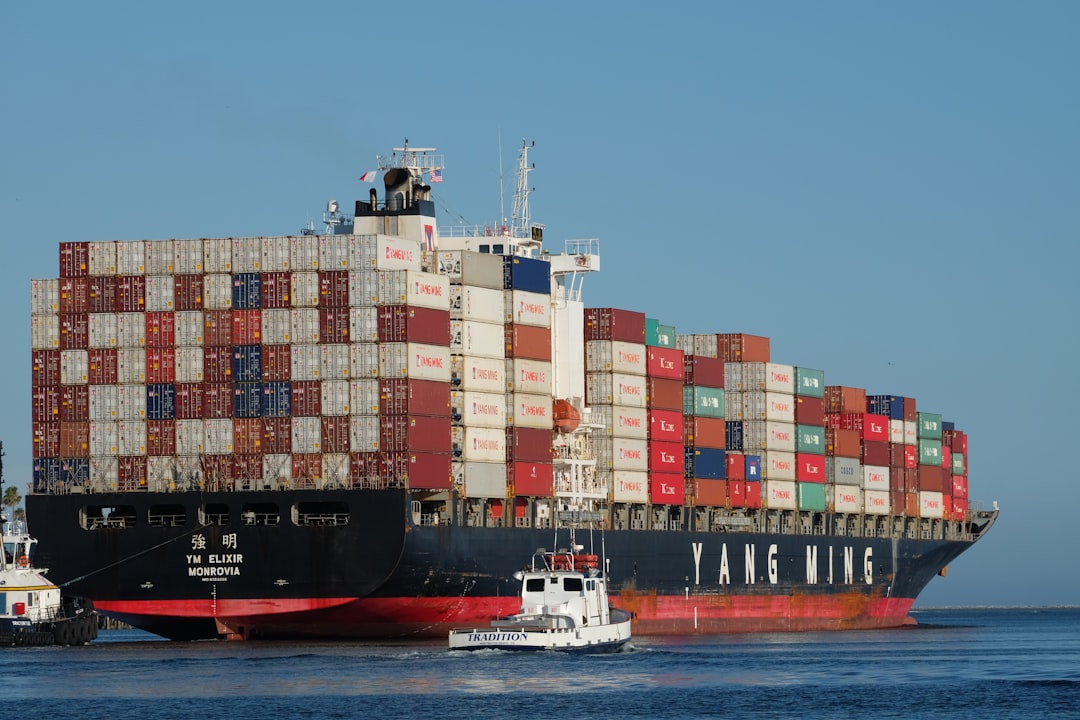
Shipping rates for containers from East Asia and China to the United States have edged upwards this week, reaching their highest levels since mid-2022 due to ongoing congestion at global ports. According to shipping market intelligence firm Linerlytica, over 4.3 million TEU are currently waiting to berth, primarily due to delays caused by recent storms disrupting vessel schedules.
The Current Situation
Linerlytica reported that the stranded capacity of 4.3 million TEU exceeds the previous COVID pandemic peak of 4.0 million TEU. This stranded capacity represents approximately 12.6% of the global fleet, which currently totals 34.4 million TEU, a decrease from the peak of 15.7% noted during 2022 when the fleet was smaller at 25.3 million TEU. The situation has created significant disruptions, particularly in East Asia.
Market Dynamics and Freight Rates
The Shanghai Containerized Freight Index (SCFI) recently reflected these pressures, rising by 2.9% last week alone. This marks the fifth consecutive weekly increase following three weeks of declines. Current shipping rates to the West Coast range from $6,300 to $7,500 per FEU (40-foot equivalent unit), while East Coast rates are reported between $8,200 and $10,500 per FEU. Drewry’s data indicates that container rates have remained relatively stable, with a slight decline of 2% in rates from Shanghai to New York, despite overall resilient demand in the market.


Transpacific rate behavior seems to be influenced not only by continued strong demand but also by recent capacity reductions implemented by carriers alongside significant congestion at several major Chinese ports. Additionally, four blank sailings have been announced for the upcoming week, which is a decrease from the seven observed this past week, signaling a potential easing in capacity constraints.
Implications for Chemical Shipping
Container shipping plays a critical role in the transportation of chemicals, as much of the sector relies on container ships for the shipment of polymers, such as polyethylene and polypropylene, which are transported in pellet form. Liquid chemicals are also transported in isotanks. Despite steady US chemical tanker freight rates assessed by ICIS remaining unchanged this week, concerns about limited early September space availability, particularly for stainless steel tonnage, persist.
Behind the Headline
Current trends indicate a fragile balance in the container shipping market, driven by increased congestion and weather disruptions. For operators and charterers, this translates into elevated freight rates, necessitating careful navigation of logistics and costs. With demand remaining robust against a backdrop of supply chain fragility, market participants should anticipate ongoing volatility. The congestion at the Panama Canal, paired with the existing conditions in East Asia, suggests that freight rates may remain elevated in the near term, demanding strategic adjustments from stakeholders across the supply chain.