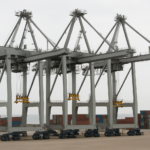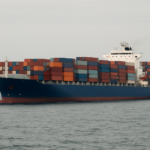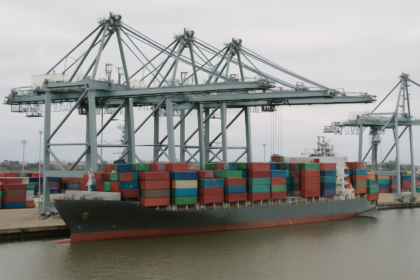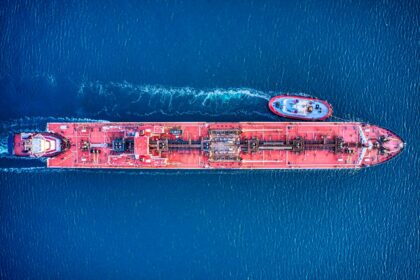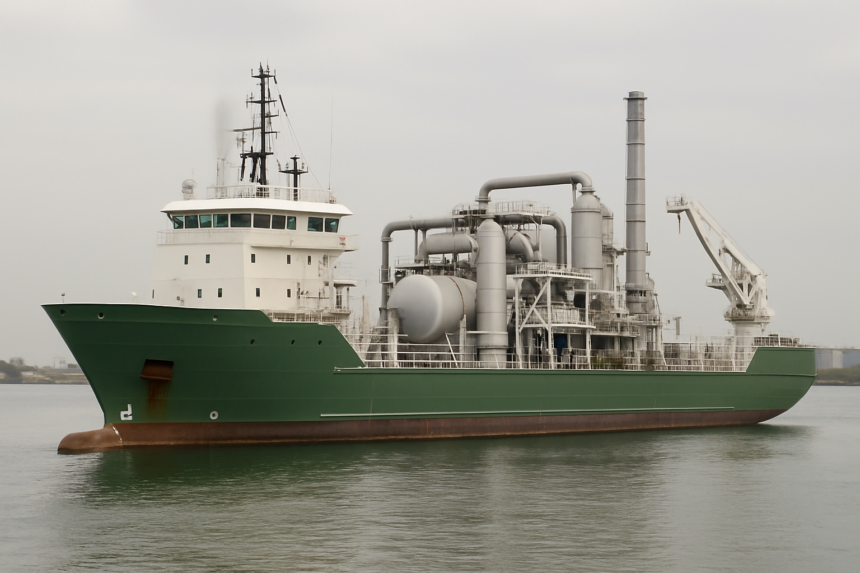
Europe’s ambitious climate goals hinge on the establishment of a robust transport infrastructure for carbon capture and storage (CCS) technology. A recent report by energy consultancy Xodus highlights the urgent requirement for a dedicated fleet of approximately 65 CO2 carriers and 33 strategic ports by 2050 to facilitate effective CCS operations.
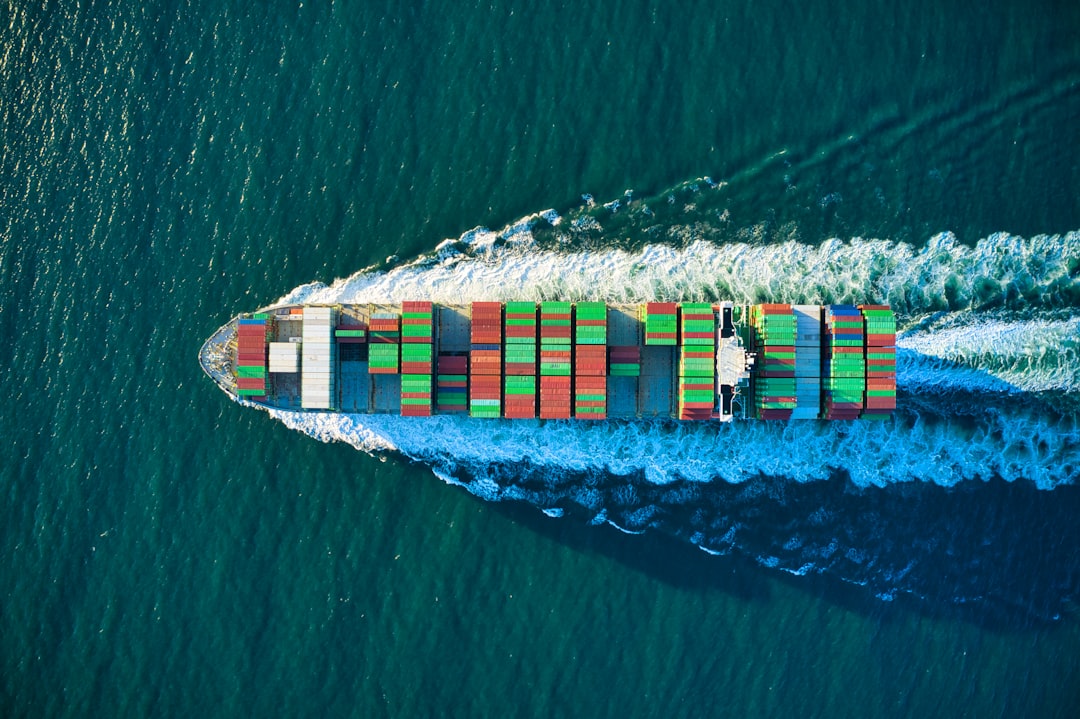
Infrastructure Requirements
The Xodus report, titled ‘CCUS Enabling Infrastructure Study’, outlines the critical infrastructure required for scaling up carbon capture initiatives. The study underscores that without a specialized fleet and adequate port facilities, Europe will struggle to meet its climate commitments, particularly in reducing carbon emissions from various sectors including industrial processes and energy production.
To operationalize CCS at scale, the report details the need for both maritime and onshore transport capabilities that are not currently in place. This includes the construction of dedicated CO2 carriers equipped with the necessary technology to safely and efficiently transport captured carbon.

Investment and Development Timeline
Investment in CO2 transport logistics is crucial, given that the fleet and port readiness must align with Europe’s escalating climate policies. The timeline outlined in the report suggests tight deadlines for infrastructure development, emphasizing that early investment decisions are necessary to avoid potential bottlenecks.
The identified ports must be equipped to handle the unique operational requirements associated with CO2 transport, including specialized handling and storage facilities. This adaptation is necessary to ensure compliance with environmental standards and to facilitate the safe delivery of captured carbon to permanent storage sites.
Market Implications
The development of CO2 carriers and associated port facilities represents not just a regulatory response but also a significant market opportunity. Shipping operators must navigate this evolving landscape as demand for effective carbon management solutions grows.
With environmental regulations tightening, operators in Europe must remain alert to developments in CCS logistics. The report serves as a call to action for stakeholders across the shipping industry, highlighting the interplay between regulatory compliance and innovative infrastructure solutions.
Why It Matters
The recommendations laid out in the Xodus report emphasize the operational challenges faced by shipping and logistics companies in the evolving landscape of carbon capture and storage. As Europe pushes toward its net-zero emissions targets, the successful deployment of dedicated CO2 carriers and port infrastructure will be pivotal. For operators, the need for investment in specialized vessels and the adaptation of existing port facilities is essential to meet upcoming regulatory demands and market opportunities. Key stakeholders must focus on collaboration across the maritime and energy sectors to ensure that infrastructure is developed promptly and effectively, paving the way for a low-carbon economy.