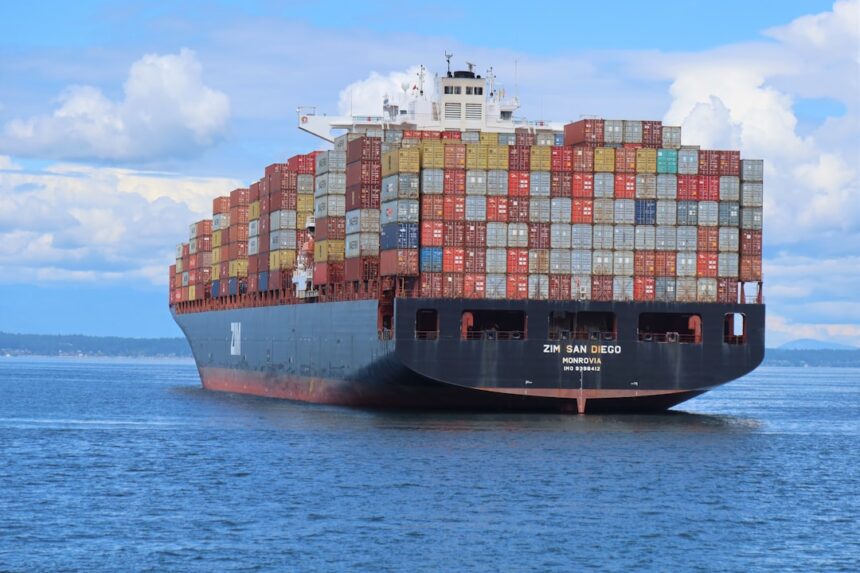
A legal dispute concerning the role of ship crews in cargo handling has escalated, with the European Trade Union Confederation now permitted to intervene in an appeal before the Court of Appeal of The Hague. The case is rooted in the International Transport Workers’ Federation’s (ITF) Non-Seafarers’ Work Clause, which seeks to clarify the responsibilities assigned to crews while vessels are docked.
The Legal Framework
The Non-Seafarers’ Work Clause aims to protect maritime workers from being tasked with loading and unloading duties that should be performed by shore-based personnel. The perspective that this legal framework offers is crucial; it emphasizes the distinction between seafarer responsibilities and the functions typically assigned to dockworkers. As the legal proceedings unfold in The Hague, this intervention could pivotally influence the interpretation of labor regulations across Europe’s ports.

Implications for the Industry
The involvement of the European Trade Union Confederation adds a significant dimension to this case, as it represents broader labor interests that may push for stricter regulations regarding shipboard duties. A ruling that favors the ITF could restrict seafarers from engaging in tasks beyond their core responsibilities, thereby safeguarding their working conditions but also potentially impacting operational efficiency. For shipping companies and operators, this introduces a layer of complexity in crew management and may necessitate adjustments in operational protocols at ports.

What to Watch Next
Maritime operators should closely observe the evolving case as it may lead to new considerations in labor relations and port operations. Should the court side with the unions, shipping companies might face constraints that could hinder flexibility in handling cargo and crew deployment. Additionally, changes to the legal landscape could prompt negotiations over collective agreements, affecting wage structures and working conditions for seafarers.
Why It Matters
The implications of this case extend beyond legal technicalities, touching on the operational realities that shipping companies must navigate. A ruling in favor of redefining seafarer duties may necessitate a reevaluation of current crew assignments in ports, potentially increasing reliance on dockhand labor. This could impact efficiency, increase laytime, and affect overall shipping schedules, as operators adjust to new requirements. Observers should also consider the potential ripple effects on crew morale and recruitment in a time of heightened scrutiny on labor practices within the maritime sector.