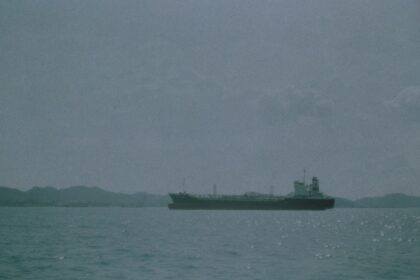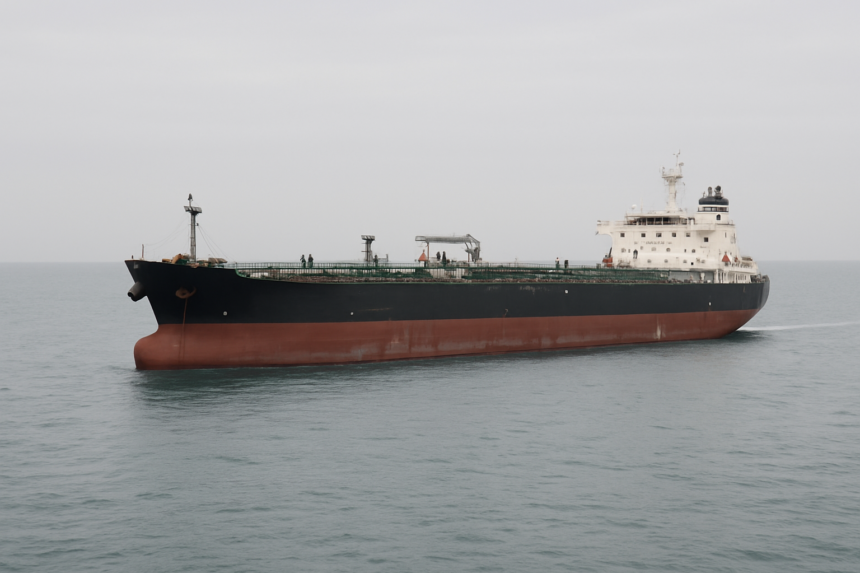
A commercial tanker was reportedly struck by an unidentified projectile while transiting approximately six nautical miles east of Oman, just outside the Strait of Hormuz. The incident, confirmed by UK Maritime Trade Operations (UKMTO) in Advisory 068-26, highlights the ongoing risks in one of the world’s most strategically significant maritime chokepoints.
The Incident
Details surrounding the incident remain limited. The tanker, which UKMTO did not identify, was hit on the port bow, but the crew was reported safe and without injury. Additionally, no environmental impact was noted, and the vessel was able to continue towards its next port of call. The timing of the attack is particularly alarming, as it coincided with U.S. Central Command’s announcement of successfully intercepting multiple Iranian one-way attack drones intended for commercial shipping in the area.
Operational Context
The strike raises significant questions regarding maritime security in the region, especially in light of the U.S. military’s coordinated transit corridor, known as the “Omani route.” This corridor enables a limited number of vessels to navigate through the Strait of Hormuz amidst increasing tensions and threats posed by Iran. Recently disclosed by the world’s largest tanker trade association, INTERTANKO, this nighttime transit system employs measures such as electronic silence and designated reporting procedures to enhance the safety of commercial operations.

President Trump recently confirmed the existence of this covert operation, asserting that hundreds of vessels have safely traversed the waterway as part of ongoing U.S. security efforts. However, the strike on the tanker represents the first known occurrence of a vessel being hit while navigating this U.S.-coordinated corridor, emphasizing the precarious nature of maritime activities in the region.
Market Impact
While U.S. officials maintain that commercial traffic continues, the threat of incidents such as this one must be considered by operators. The ongoing military stalemate, coupled with reported Iranian aggression, exacerbates the already complex decision-making process for shipping companies. As operators weigh their options, many continue to avoid transiting the Strait altogether, further complicating global maritime logistics.
Why It Matters
The rising threats in the Strait of Hormuz necessitate a reevaluation of maritime risk management strategies for operators within this critically important shipping lane. With U.S. forces actively engaging in the region, the implications for laytime, demurrage, and overall operational readiness cannot be understated. As the situation evolves, stakeholders must remain vigilant in assessing any changes to transit protocols that may arise from such incidents. Understanding these dynamics is essential for effective planning and risk mitigation in a volatile operational environment.