The UK Maritime and Coastguard Agency (MCA) has issued a critical advisory urging shipowners to prepare for potential disruptions to GPS navigation systems. As incidents of GPS jamming and spoofing become increasingly prevalent in vital shipping regions, the MCA’s Marine Guidance Note MGN 719 stresses the importance of honing traditional navigation skills.
Understanding the Threat
In MGN 719, the MCA highlights that maritime operators can no longer rely solely on satellite navigation. GPS jamming involves broadcasting interference signals that disrupt regular navigation systems, while spoofing entails deceiving GPS receivers with false signals. These tactics, which have been observed with growing frequency, pose significant risks to vessels operating in some of the world’s busiest shipping lanes.
Operational Preparedness
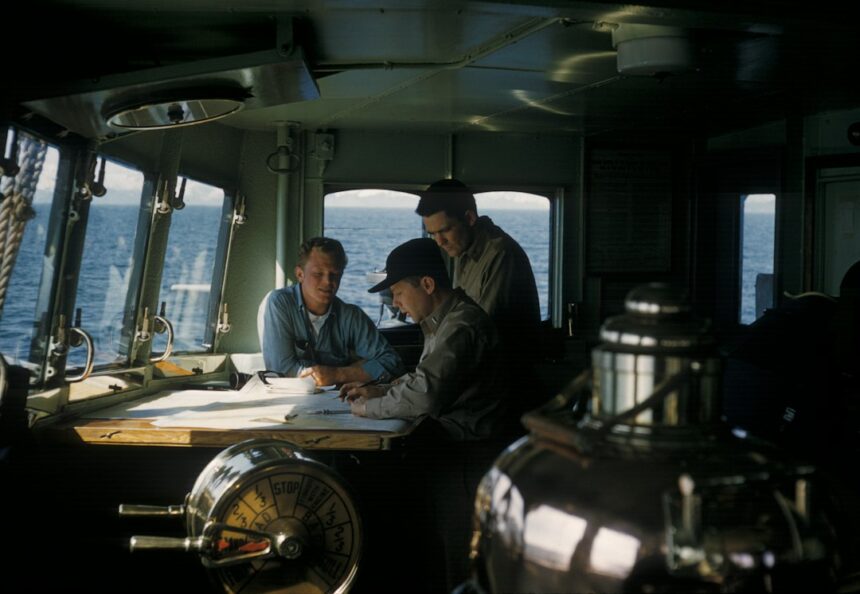
In response to these safety concerns, the MCA encourages maritime operators to conduct regular training exercises focused on traditional navigation techniques, such as celestial navigation and dead reckoning. These skills are essential for ensuring that crews remain proficient in case of GPS failures. Companies are advised to integrate these practices into their safety management systems, reinforcing a multifaceted approach to navigation safety.


Implications for Shipping Industry
With an increasing number of vessels relying on GPS systems for navigation, the implications of possible disruptions could be severe. Training crews in alternative navigation methods not only enhances safety but also bolsters operational resilience. The shipping industry must remain vigilant, considering the evolving security landscape surrounding satellite communications, to mitigate risks to maritime safety.
Behind the Headline
The heightened caution from the UK MCA underscores a critical reality facing maritime operators: reliance on GPS technology introduces vulnerabilities that can undermine navigational safety. For charterers, this will necessitate an evaluation of risk management protocols and may affect operational planning, especially in congested or contested waters. Future developments should focus on integrating technology with traditional skills to ensure navigational integrity and safety across operations, making it imperative for the industry to adapt swiftly to this changing environment.