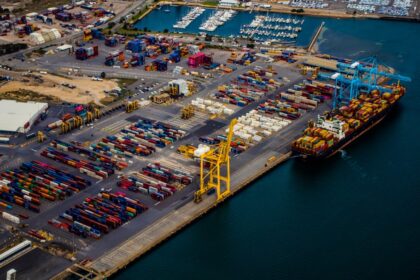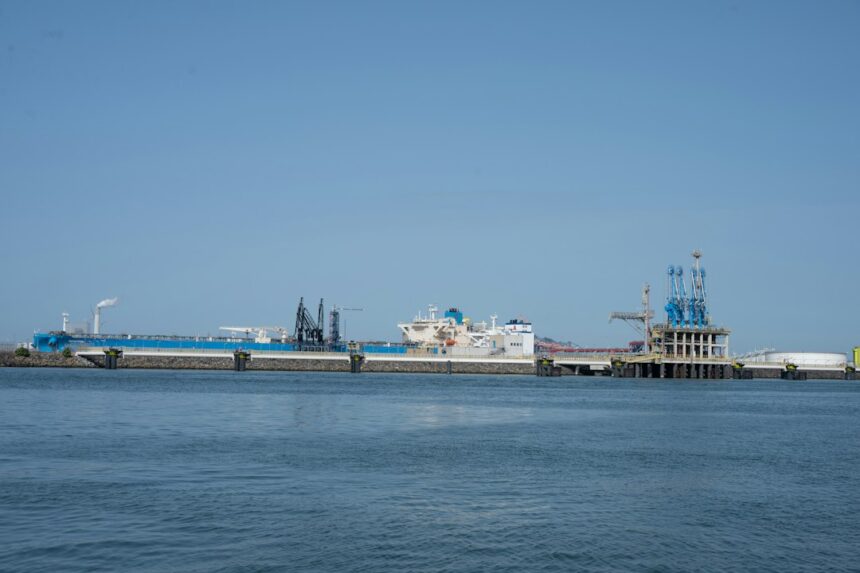
New European Union regulations are set to reshape operations within major ports by mandating the provision of shore power facilities by 2030. Under the Alternative Fuels Infrastructure Regulation (AFIR), core ten-t ports will be required to equip their terminals with shore power connections, enabling vessels to plug into the grid while at berth, thus significantly curbing their emissions and noise pollution.
The Regulatory Framework
The push for shore power stems from the EU’s commitment to decarbonizing the maritime sector. The regulations will enforce that all vessels docked at core ports utilize the available shore power, which is expected to not only lower greenhouse gas emissions but also improve local air quality. The European Commission’s efforts aim to create a sustainable shipping industry that aligns with broader climate targets.
Infrastructure Challenges
However, the shift towards shore power is met with logistical challenges. The necessary upgrades to electrical grids and port facilities, which can be complex and costly, may take up to a decade, leading to potential bottlenecks in compliance. Many ports may require significant investments to enhance their infrastructure, ensuring they can support both the energy demands of incoming vessels and the increased electrical load, particularly in regions with already constrained grid capabilities.

Failure to meet the 2030 deadline not only poses risk of penalties but could impact the competitiveness of ports that lag in necessary upgrades. As a result, stakeholders across the industry are urged to assess their capabilities and plan for the transition ahead of time.
Behind the Headline
The urgency of EU mandates for shore power reveals the complex interplay between regulatory frameworks and operational readiness. For port authorities, the challenge lies not merely in compliance but also in resource allocation to upgrade aging infrastructure. Shipping operators must consider how to optimize their vessel operations and prepare for potential shifts in laytime and demurrage as port services adapt. As the 2030 deadline approaches, consistent investment in sustainable technologies and grid resilience will be paramount in ensuring smooth transitions and maintaining competitiveness in an increasingly regulated maritime landscape.