On Friday, Iran’s Revolutionary Guards claimed responsibility for a targeted attack on a US early-warning radar located in Bahrain. Concurrently, reports emerged of a liquefied natural gas (LNG) tanker that exploded in the Strait of Hormuz after allegedly striking a naval mine. These incidents underscore persistent risks to both military assets and commercial shipping in a strategically vital area.
The Radar Attack
The Iranian Guards’ claim regarding the radar attack was framed as retaliation for an alleged air strike on a telecommunications tower in Sirik county, Hormozgan province. This represents the first attack on American military assets in the region since early September, highlighting the ongoing tensions between Iran and the United States, which have been exacerbated by previous military engagements that included US and Israeli strikes on Iran on February 28.
Explosion of the LNG Tanker
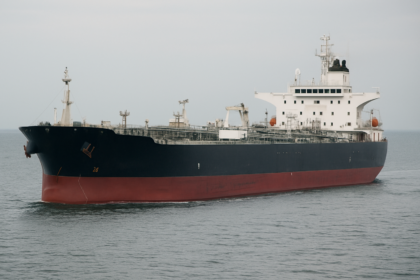
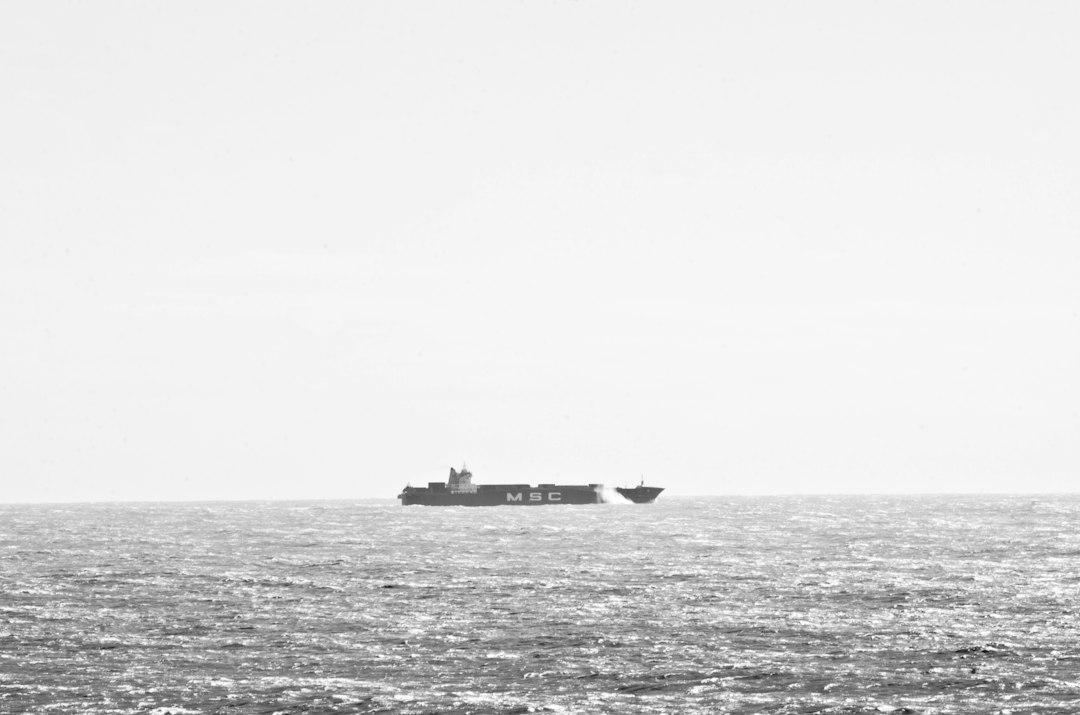
In a separate incident, Iranian state media reported that an LNG tanker suffered an explosion while navigating what was described as an unauthorized and dangerous route through the Strait of Hormuz. Unfortunately, no specific details about the vessel’s ownership or type were disclosed. This explosion follows reports of four oil tankers being hit in the waterway, leading to growing concerns over maritime safety in the region. The waterway, crucial for global energy supplies, has seen escalated incidents as Iran responds to enforcement actions—a naval blockade imposed by the US on Iranian ports.

Market Response
The economic implications of these heightened tensions are significant, as increased attacks in the Strait of Hormuz threaten the smooth flow of maritime traffic. Despite recent expectations of a de-escalation in the ongoing conflict, evidenced by a drop in global oil prices, the reality on the ground remains fraught with danger. The Washington Institute for Near East Policy reported that at least 10 vessels were attacked in the first 10 days of November alone, following an alarming 37 incidents in October, the highest monthly total recorded since the conflict’s escalation began.
The Operational Read
The recent escalation between Iran and US forces signals a challenging environment for shipping operators navigating the Strait of Hormuz. With commercial vessels increasingly facing threats from military actions, operators must exercise heightened vigilance and may need to consider adjusting routes to avoid potential hotspots. The recurring naval incidents call for a reassessment of risk management strategies for companies reliant on this critical passage for energy supplies. In the context of an unstable geopolitical landscape, it will be essential for operators to remain aware of developments and maintain robust communication with maritime security agencies.