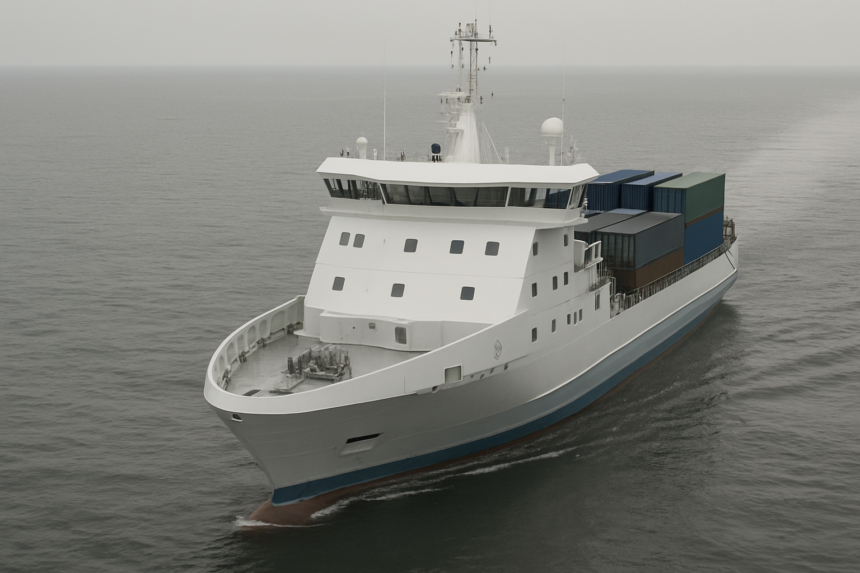
On July 1, the International Maritime Organization (IMO) published the Maritime Autonomous Surface Ships (MASS) Code, marking a significant milestone in the establishment of global standards for the shipping industry.
The Code Overview
The non-mandatory MASS Code provides a comprehensive regulatory framework specifically designed for remotely operated and autonomous cargo vessels, operating under the SOLAS (Safety of Life at Sea) regime. It consists of three key parts along with an appendix containing forms for certificates and records pertinent to autonomous and remote operations.
Part 1 outlines the high-level purpose, principles, and objectives that will guide the implementation of this innovative technology. Part 2 sets forth foundational principles applicable to various operational scenarios, ensuring compliance through certification, surveys, software security, manning requirements, training, and watchkeeping provisions. Part 3 focuses on the operational goals and functional requirements governing navigation, remote operations, fire management, cargo handling, and search and rescue operations.

UK’s Role and Next Steps
The Marine and Coastguard Agency (MCA) has played a crucial role in developing the MASS Code, with a focus on safeguarding UK interests during negotiations. Leanne Page, MCA Assistant Director for Future Technical Standards, emphasized the importance of these regulations in supporting innovative technological advancements while enhancing safety protocols.
Moving forward, the publication of the MASS Code initiates a two-year Experience-Building Phase where industry stakeholders will contribute to refining and developing its provisions based on real-world experiences. This collaborative approach will provide valuable insights as the mandatory version of the MASS Code is projected to be implemented by 2032.
The Operational Read
The introduction of the MASS Code offers a foundational framework that can significantly impact ship operators and maritime stakeholders as the industry pivots towards greater automation. With autonomous vessels poised to revolutionize shipping operations, it is crucial for operators to begin adapting their business models, training programs, and safety protocols accordingly. The emphasis on certification and compliance will necessitate active participation from both the industry and regulatory bodies in refining operational standards. The implementation timeline for the mandatory version by 2032 underscores the urgency for operators to remain engaged in the development of this critical regulatory landscape. The next few years will be pivotal as stakeholders navigate technological advancements and work to align with evolving international regulations.