Update 16 Sep 2026, 10:33 UTC:
In the second week of September, the Shanghai Containerized Freight Index (SCFI) rose to 3,662.18, marking a significant increase of 72.13 points from the previous week and continuing a seven-week upward trajectory. This figure is nearing the all-time high of 3,733.8 recorded in 2024.
Key Factors Driving Rates
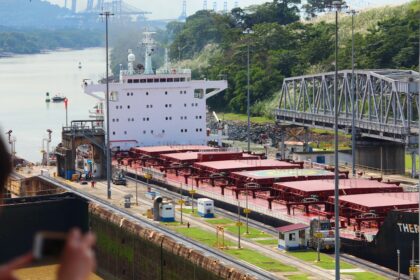
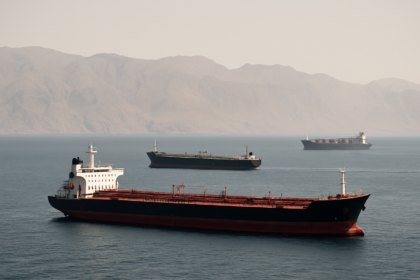
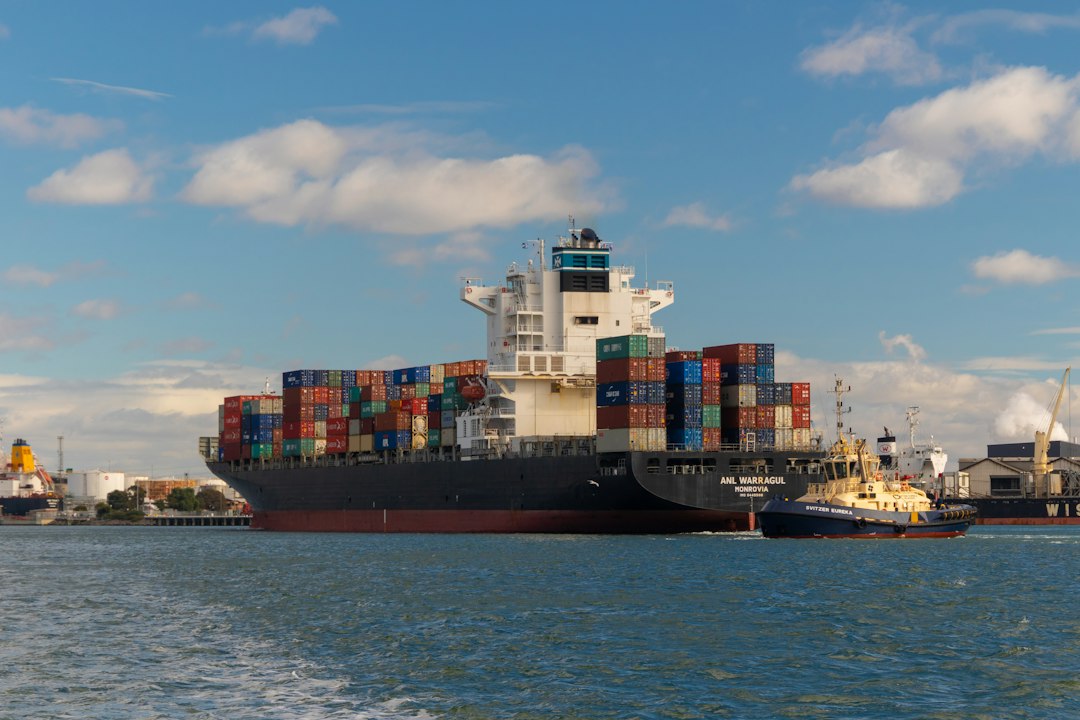
The surge in shipping rates is primarily attributed to geopolitical tensions in the Middle East and an ongoing blockade in the Strait of Hormuz, which has greatly disrupted key shipping routes. As a result, vessels are increasingly rerouting around the Cape of Good Hope, extending transit times by approximately 30 days and more than doubling fuel costs. The situation has intensified following drone strikes that knocked Saudi Arabia’s east-west oil pipeline offline, further complicating options for maritime transport.

Impact on South Korean Exporters
South Korean exporters are feeling the strain of rising logistics costs, which have reached critical levels. Notably, Samsung Electronics recorded transportation costs of 1.32 trillion won ($976.65 million) in the first half of the year, an increase of 7.8% year-over-year. LG Electronics reported a similar trend, with costs rising 7.4% to 1.53 trillion won. Both companies are now grappling with the decision to pass these costs onto consumers, a move that could jeopardize sales.
Samsung plans to enhance its product offerings and streamline logistics to safeguard profitability, focusing on increasing premium product sales to offset rising costs. Conversely, LG is diversifying production across various markets, including Brazil and India, to mitigate logistics burdens and optimize supply chains.
Freight Rate Divergence
According to the Korea Customs Service, export shipping costs to the eastern United States soared to 9.97 million won for 2 TEU last month, reflecting a 24.8% monthly increase. Conversely, rates to the European Union and China fell by 9.4% and 22.4%, respectively, indicating a stark divergence in shipping costs across different routes. This increase in freight rates raises the likelihood of higher consumer prices, especially as other sectors, such as food and apparel, begin to raise prices in response to accumulated cost pressures.
Small and medium-sized exporters, in particular, face significant challenges due to their inability to secure long-term contracts, leaving them susceptible to fluctuating freight rates that threaten their competitiveness in the market. Meanwhile, the presence of stranded energy cargo vessels in the Strait of Hormuz further exacerbates vessel availability issues, hindering logistical efficiency.
The Operational Read
The recent surge in shipping rates highlights the fragile balance operators must maintain in a dynamic geopolitical landscape. The