Three separate approvals in principle (AiP) have been issued for nuclear-powered commercial ship designs, indicating a pivotal step in the exploration of nuclear propulsion within the maritime industry. Granted since June 2026, the approvals involve a container ship design led by a Korean consortium featuring molten salt reactors, a car carrier project supported by Lloyd’s Register, and an innovative reactor concept developed by the MIT Maritime Consortium.
The Nuclear Ship Designs
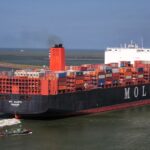
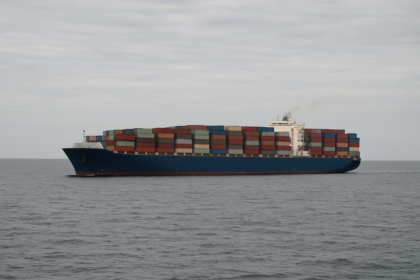
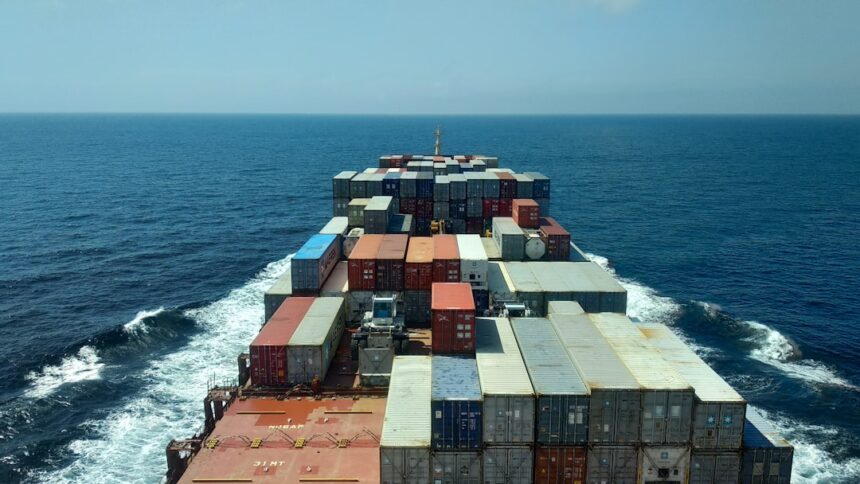
In mid-July 2026, the American Bureau of Shipping granted an AiP for a 15,000 TEU container ship prototype derived from South Korea’s Korea Atomic Energy Research Institute (KAERI). This design incorporates two molten salt reactors which utilize a unique construction method where nuclear fuel is dissolved in a cooling salt, ensuring that it solidifies and encases the fuel in the event of a reaction failure. The project is part of South Korea’s ambitious “K-Moonshot” research initiative with a reported development cost of approximately 29 billion won (around $19.5 million), as mentioned in Korean financial reports.
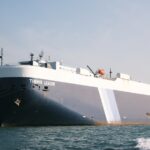
Additionally, a separate AiP awarded by Lloyd’s Register covers a large pure car and truck carrier based on Hyundai Glovis’s existing 7,000 CEU design. This project, involving HD Hyundai Heavy Industries and other partners, evaluated how to physically incorporate the molten salt reactor, focusing on aspects such as cargo capacity, stability, and safety protocols.


The third notable development is the reactor design from the MIT Maritime Consortium, which has received its AiP from the American Bureau of Shipping. This design innovatively replaces traditional pressurized water reactors with a system using a synthetic heat-transfer fluid at close to atmospheric pressure, enabling a lighter and more modular reactor vessel construction.
Regulatory Challenges
Despite these advancements, the transition from concept to operational nuclear-powered vessels is beset with challenges, particularly pertaining to outdated regulatory standards. An AiP, while a positive indication of design feasibility, is not synonymous with a construction or operation permit. It is largely a concept validation, meaning significant work remains to ensure compliance with both current and future regulations that are alarmingly lagging for nuclear-powered vessels.
Industry stakeholders await progress in regulatory frameworks that will accommodate the vastly different safety protocols required for nuclear propulsion. As it stands, each approved concept must undergo further detailed engineering and additional reviews that could take decades before any vessel is ready for commercial trading.
Market Implications
The interest in nuclear propulsion carries implications for sustainability in the maritime sector, but the question remains whether these technologies can be integrated within a practical regulatory environment. The ongoing development of these nuclear ship designs could serve as a catalyst for advancements in marine engineering. However, the industry’s trajectory hinges on overcoming regulatory inertia and addressing public safety concerns inherent in nuclear technology.
Behind the Headline
The recent approvals in principle represent only the initial phase of a complex journey toward operational nuclear vessels. For operators and shipbuilders, the focus must now shift to navigating the intricate regulatory landscape that governs nuclear safety and environmental standards. The investment in these innovative designs also presents a potential competitive advantage in a market increasingly oriented towards sustainable practices. Future developments will require close attention to regulatory updates and industry collaboration to ensure that these promising technologies do not remain relegated to the conceptual stage for extended periods.