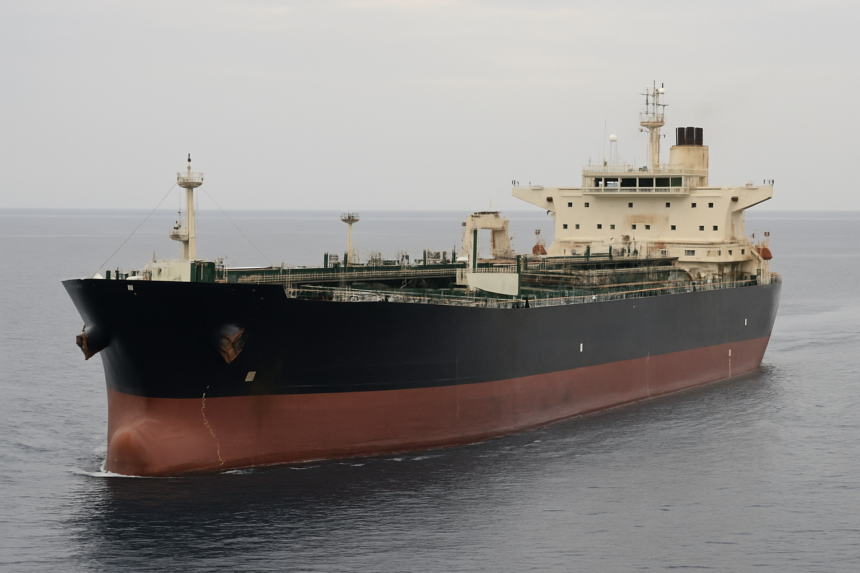
The European Union has imposed sanctions on the shipping subsidiaries of Russian oil giants Gazprom and Lukoil, intensifying its campaign against the country’s oil transportation network. Gazpromneft Shipping and Lukoil-Western Siberia have been added to the EU’s sanctions list due to their involvement in what Brussels characterizes as irregular and high-risk shipping practices.
Details of the Sanctions
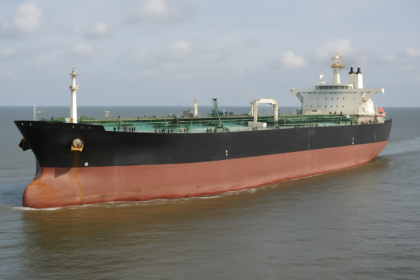
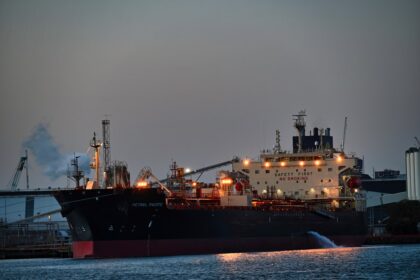
According to the decision published in the EU’s Official Journal on Monday, Lukoil-Western Siberia operates several tankers, including the Aries, Neva Lux, and Nimbus Spb. These vessels are alleged to lack adequate liability insurance and have been engaged in ship-to-ship transfers and manipulation of Automatic Identification System (AIS) signals while transporting Russian crude oil and petroleum products. Similarly, Gazpromneft Shipping is designated as the technical manager of tankers Omsk, Olanga, and Murmansk, which face the same accusations regarding insurance and operational practices.
This saturation of sanctions directly against Russian energy operators marks a significant escalation, targeting entities more closely tied to the source of the oil rather than merely independent tanker managers or trading companies.

Wider Implications
The measures are part of a comprehensive strategy by the EU to disrupt Russian oil exports. The sanctions aim to dismantle the opaque networks that facilitate these exports using offshore ownership and market manipulations. The EU has previously sanctioned hundreds of vessels connected to Russia’s shadow fleet, as it expands restrictions to include ports and service providers.
Western sanctions have particularly focused on Arctic-linked operators since 2024. Companies such as Sovcomflot, involved in projects like Novatek’s Arctic LNG 2, have also come under scrutiny. The designation of Gazpromneft Shipping and Lukoil-Western Siberia could complicate vessel insurance, classification, and financing, further straining their operational viability.
Market Response
Despite Russia’s efforts to establish alternative shipping and insurance channels in light of ongoing sanctions, designating in-house subsidiaries like Gazpromneft and Lukoil marks a shift that could elevate operational costs and limit the service provider options available to these companies. Reports indicate that while exports are unlikely to cease, the sanctions may force Gazprom and Lukoil into more opaque arrangements with non-Western maritime service providers, thus complicating regulatory environments for third-country entities.
Behind the Headline
The operational landscape for shipping and energy firms is evolving under intense scrutiny from Western authorities. With the EU specifically targeting in-house shipping subsidiaries, compliance risks will escalate for operators and third-country companies interacting with these entities. The ramifications could reshape the insurance and chartering markets, creating operational hurdles that may necessitate shifts in logistics strategies for Russian oil transport. As these sanctions deepen, attention will turn to how Gazprom and Lukoil navigate these constraints and adapt their shipping practices in an increasingly restrictive environment.