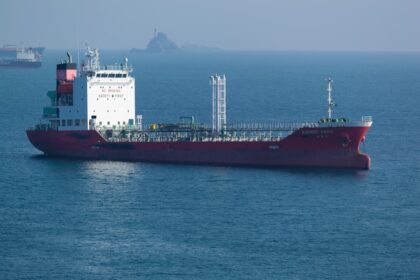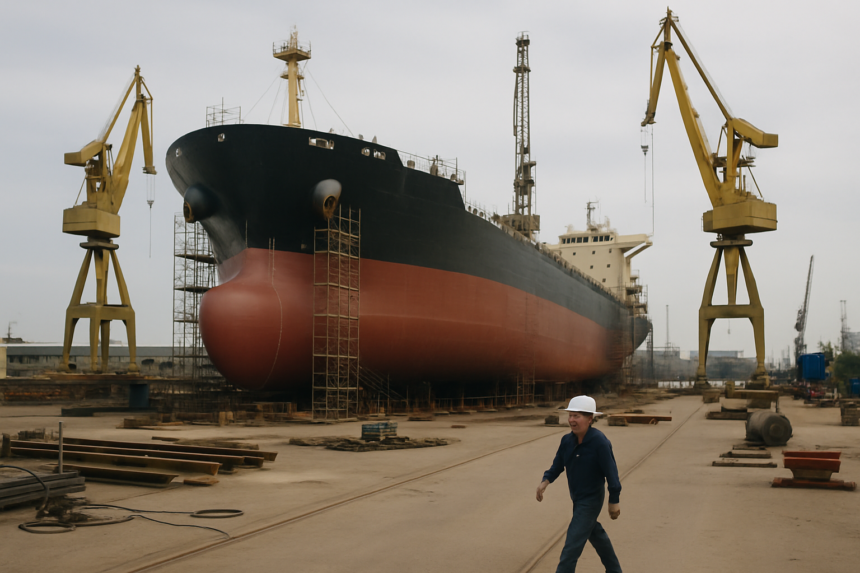
U.S. Senators Mark Kelly (D-Ariz.) and Elizabeth Warren (D-Mass.) have urged the current administration to reinstate suspended port fees on vessels linked to China, emphasizing that this move is vital for revitalizing the country’s shipbuilding industry and reducing dependency on foreign maritime capabilities.
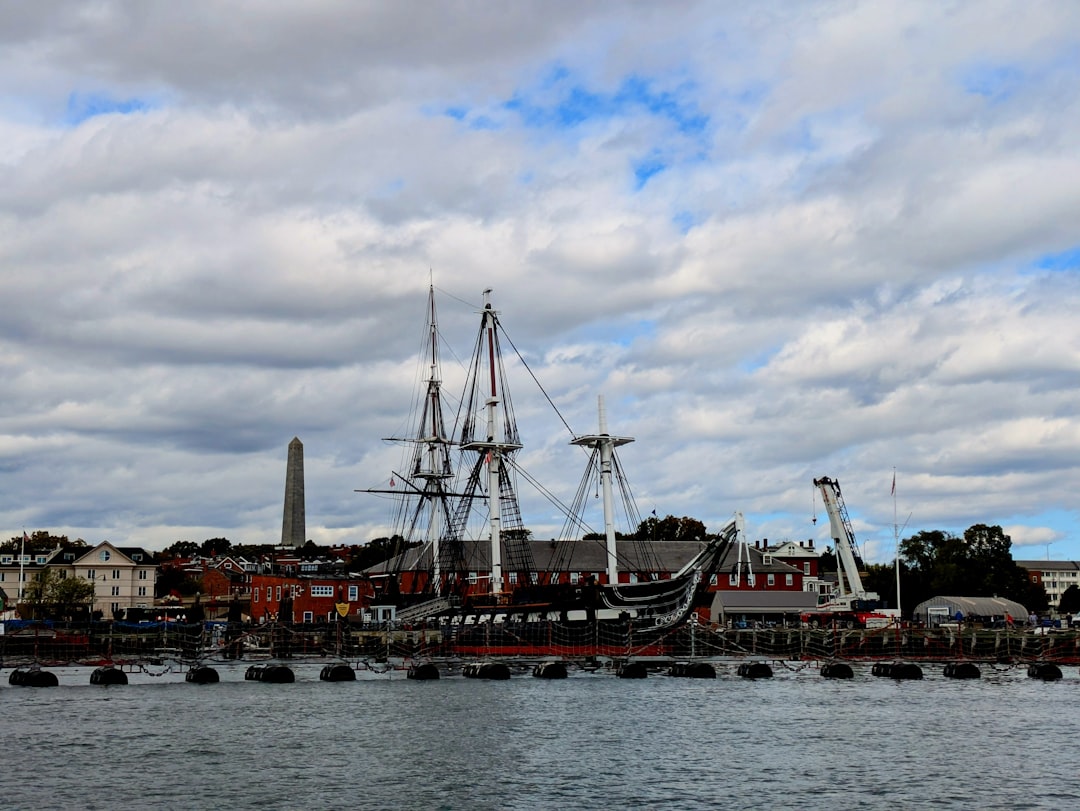
In a letter directed to U.S. Trade Representative Jamieson Greer, the senators stressed the importance of the immediate restoration of Section 301 fees, which were suspended last November as part of a trade agreement with China. “Section 301 port fees are critical to revitalizing U.S. shipbuilding,” they stated. The senators pointed out that both Democratic and Republican presidents have repeatedly acknowledged the threats posed by China’s dominance in shipbuilding.
Rising Dependence on Chinese Shipbuilding
The renewed push from senators comes amid a growing consensus on the need to frame shipbuilding capacity as a national security issue, especially in light of ongoing disruptions to global supply chains exacerbated by geopolitical tensions. According to the senators, China’s share of global commercial vessel production has surged from under 5% in 2000 to over 50% today. Meanwhile, U.S. shipyards account for a mere 0.1% of this market.

The senators argued that the consequences of this shift have been starkly revealed since the conflict involving Iran escalated, which highlighted the risks associated with depending on foreign shipyards for U.S. maritime needs. Kelly and Warren claimed that a robust domestic shipping industry is crucial for national security during global conflicts.
The Importance of Fee Restitution
This latest appeal also reignites discourse around one of the most significant maritime trade measures proposed by the previous administration. The Section 301 fees arose from an investigation initiated during the Biden administration, which found that Chinese industrial policies compromised global competition and disrupted supply chain resilience.
Following the investigation, the Trump administration intended to enforce fees on vessels that were owned, operated, or built by Chinese interests when they called at U.S. ports, with the measures expected to take effect in October 2025. However, these fees were suspended in November 2025 for a year, coinciding with negotiations that resulted in a broader trade agreement.
Since the suspension, the senators noted a significant increase in orders at Chinese shipyards. Notably, a considerable newbuilding order from Maersk to Chinese shipyards was confirmed shortly after the suspension was implemented, raising concerns over the competitive position of domestic shipbuilders.
What’s Next?
Kelly and Warren are seeking clarity on whether the suspension of the port fees has yielded significant concessions from Beijing, questioning the impact of these agreements on U.S. maritime interests. With the current suspension of Section 301 fees set to last until November 9, 2026, the urgency for lawmakers is palpable as they strive to strengthen domestic shipbuilding capabilities.
Behind the Headline
The push for reinstating port fees on Chinese vessels signals a pivotal moment for the U.S. shipping industry, with lawmakers increasingly viewing maritime capacity as a matter of national security. The reinstatement could potentially reshape global shipbuilding dynamics and provide opportunities for U.S. yards to regain market share, especially as the industry contends with heightened geopolitical tensions. Stakeholders in the maritime sector will be observing how this discourse evolves, particularly regarding U.S.-China trade relations and their implications for future maritime operations.