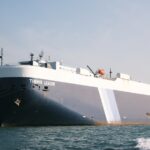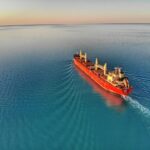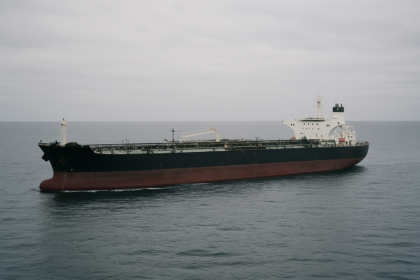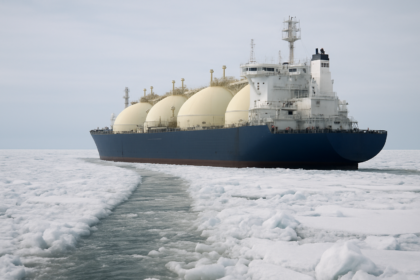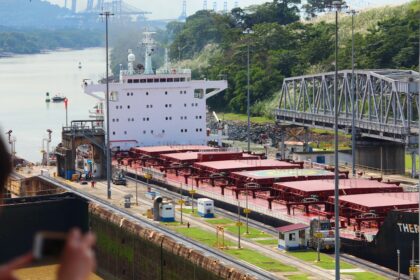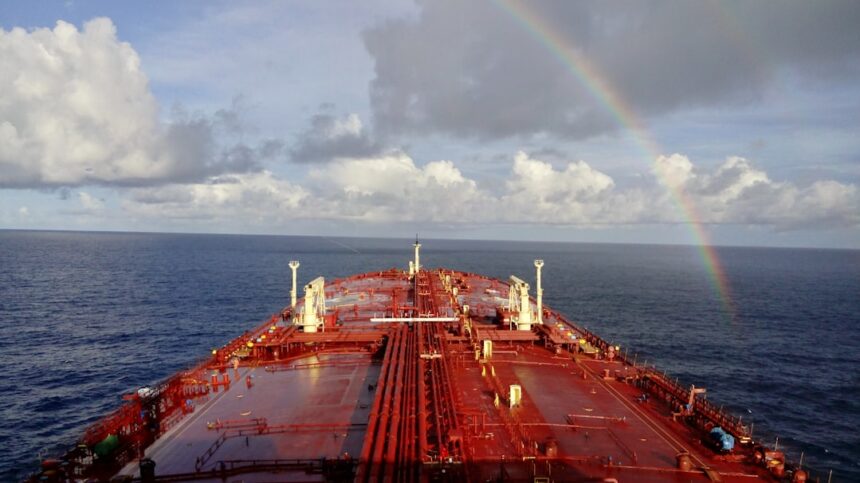
As the European Union prepares to implement tougher sanctions on Russian natural gas exports next year, Moscow has taken steps to bolster its fleet of liquefied natural gas (LNG) carriers. According to a Financial Times report citing maritime analytics firm Windward, Russia has added at least eight second-hand LNG carriers over the past six months, increasing its so-called shadow LNG fleet to 25 vessels.
The Shadow Fleet
A shadow fleet is characterized by vessels operating under obscure ownership structures, flags of convenience, and non-Western insurance. Such arrangements aim to transport sanctioned cargo while evading Western restrictions. Notably, some vessels in this fleet have reportedly disabled tracking systems and engaged in ship-to-ship transfers to obscure their cargo origins. Russia’s expansion of its LNG carrier fleet mirrors the development of its oil shadow fleet, which has successfully maintained crude exports despite ongoing sanctions.
Market Context
The expansion of the shadow LNG fleet arrives as the EU prepares to phase out imports of Russian LNG as part of a broader strategy to limit Moscow’s energy revenues. The Financial Times highlighted that during the first half of 2026, European buyers constituted the majority of output from Russia’s Yamal LNG project. Furthermore, the EU has introduced new regulations compelling the reporting of LNG tanker sales to Russian buyers, although it refrained from banning European-owned vessels from transporting Russian LNG to non-EU markets after lobbying from Greece.

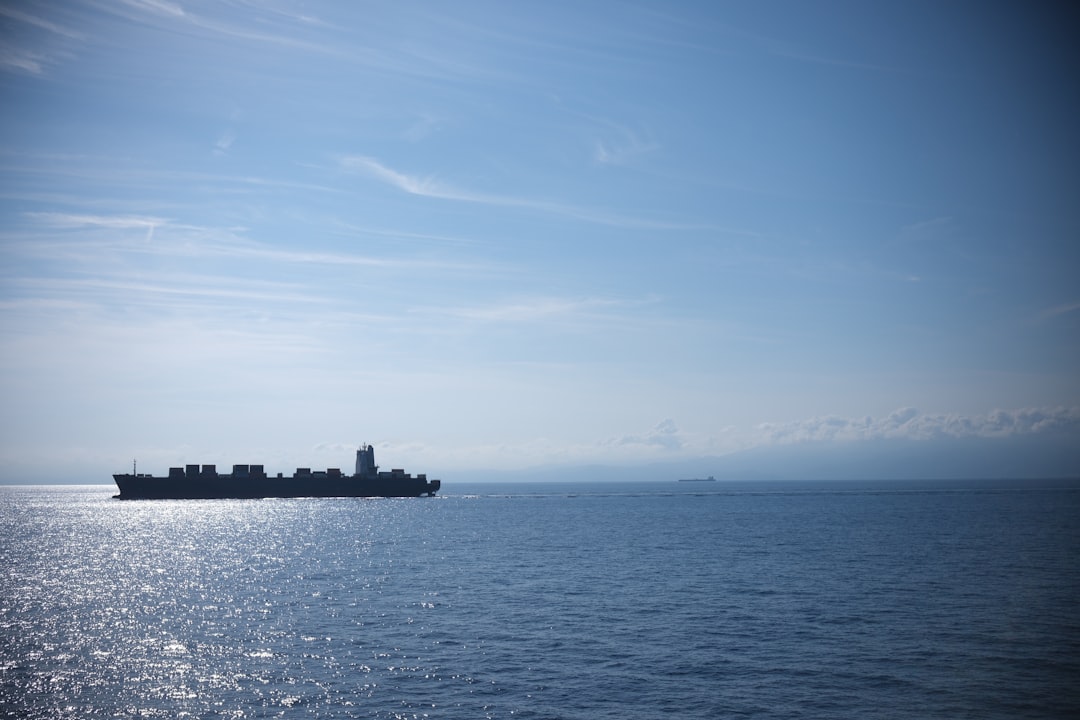
Technical Challenges and Enforcement
Despite Russia’s strong push to create a shadow LNG fleet, operating LNG carriers is technically complex. Unlike conventional oil tankers, these vessels require specialized cryogenic technology and are more challenging to replace and operate outside the mainstream shipping industry. Presently, Russia’s oil shadow fleet comprises over 1,000 vessels functioning primarily outside Western regulatory frameworks. According to Windward, four of the 25 vessels in the shadow LNG fleet have already undertaken cargoes linked to facilities affected by Western sanctions.
This fleet expansion occurs alongside intensified measures from European authorities to enforce existing sanctions and curb Russia’s shadow shipping network’s activities. With the landscape continually evolving, the operational capabilities of Russia’s LNG fleet will be closely watched as sanctions take further effect.
The Operational Read
For shipping operators and energy market participants, Russia’s expansion of its shadow LNG fleet underscores the complexities of navigating global maritime logistics under increasing sanctions. The tactical adaptability of these vessels highlights a persistent challenge to compliance and enforcement, as operators must remain vigilant against evasion tactics. The interplay between regulatory measures and the technological demands of LNG transportation will influence market dynamics significantly, with implications for supply chain reliability and pricing in the broader LNG market as enforcement ramps up.