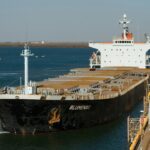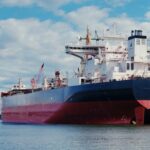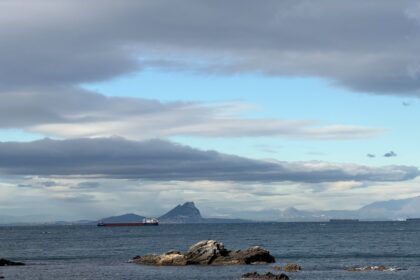


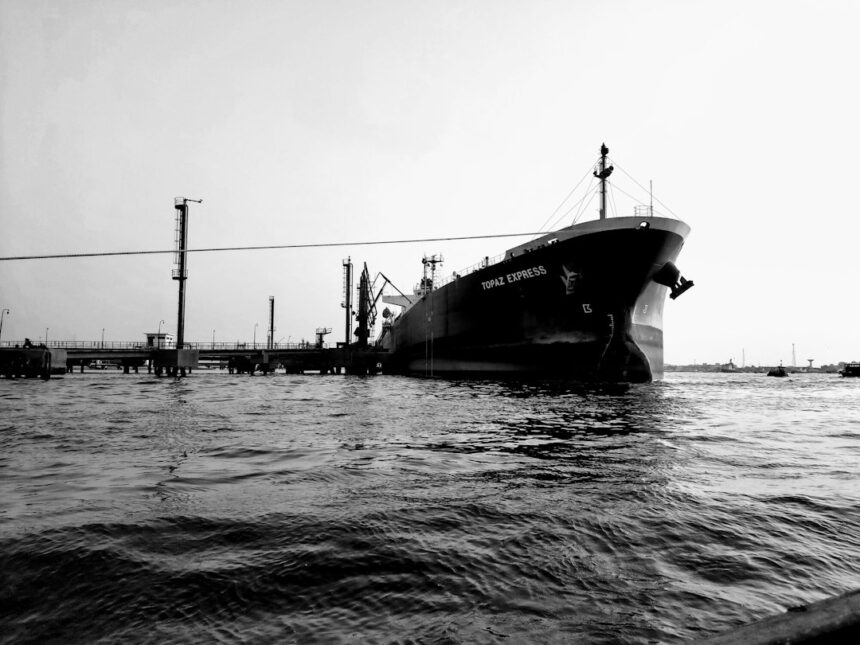
Iran’s main oil-loading terminals at Kharg Island have remained empty for several weeks, a direct consequence of a renewed U.S. naval blockade, which has drastically throttled Tehran’s crude exports. According to ship-tracking data and satellite images, no tankers have docked at the island since late August, marking the longest period of inactivity observed since the initiation of hostilities in February of this year.
The Impact of the Blockade
The reimposition of the military blockade three months ago has exacerbated Iran’s already precarious position, with crude exports sharply declining from nearly 1 million barrels per day in July to virtually nothing. The bulk of July’s loadings occurred in the first half of the month following a temporary ceasefire between Washington and Tehran, which briefly lifted the blockade. However, the renewed restrictions have seen Iran unable to dispatch any tankers since mid-August.
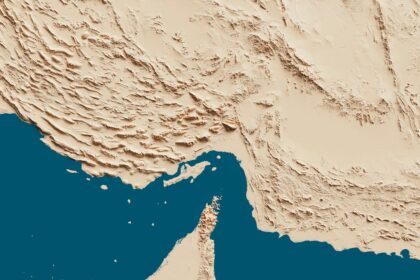
Historically, Kharg Island accounts for nearly all of Iran’s crude exports, while the eastern port of Jask contributes only a minor fraction. As the situation deteriorates, the Iranian government is intensifying assaults on vessels navigating the vital Strait of Hormuz, with reports indicating that 25 ships were targeted in the first two weeks of October alone. This compares sharply to 18 incidents reported for the entirety of September, amplifying concerns over maritime security in a pivotal chokepoint for global oil supplies.


Global Market Ramifications
With Iranian crude effectively vanishing from the global market, Chinese refiners—previously major consumers of Iranian oil—are now diversifying their procurement strategies. This substantial shift is driving competition among buyers, contributing to a pronounced increase in oil prices and fueling a historic rise in freight rates. In a broader view, as Tehran’s oil production stagnates, market participants will need to closely monitor both pricing trends and shipping logistics.
The inactivity at Kharg Island highlights the growing constraints on Iran’s oil export capacity. The satellite images reviewed indicate no tankers have been sighted at Kharg since late August, and a small chemical/products tanker docked briefly on October 10 was not indicative of a return to normal operations. Furthermore, additional vessels observed docked at the jetties off Kharg were exclusively involved in handling liquefied petroleum gas and sulfur, not crude oil.
Behind the Headline
This prolonged inactivity at Kharg Island illustrates the significant impacts of geopolitical tensions on maritime operations. Operators and charterers must navigate enhanced risk profiles as incidents in the Strait of Hormuz increase. The operational implications extend beyond immediate shipping disruptions; they reshape global crude supply routes and may lead to higher shipping costs and altered trade patterns. Looking ahead, the interplay between sanctions and military actions will likely dictate the availability and pricing of oil futures, with widespread ramifications for energy markets.