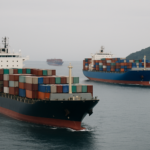
Norway’s state enterprise, Enova, has released its 2026 climate and energy transition report, advocating for the implementation of hydrogen and ammonia as crucial fuels for long-distance maritime shipping. The report asserts the limitations of battery-electric propulsion, which is well-suited for short-sea and coastal shipping but inadequate for the energy and range requirements of ocean-going vessels.

Current Directions for Maritime Energy Transition
Battery-electric vessels and shore-power infrastructures are becoming integral to Norway’s coastal trading routes. However, Enova’s analysis highlights that these solutions will not suffice for prolonged sea journeys, particularly for long-distance cargo ships and fishing vessels. Consequently, the agency is launching initiatives to develop hydrogen and ammonia as zero-emission alternatives, critical for advancing the maritime sector’s environmental objectives.
Challenges in Infrastructure Development
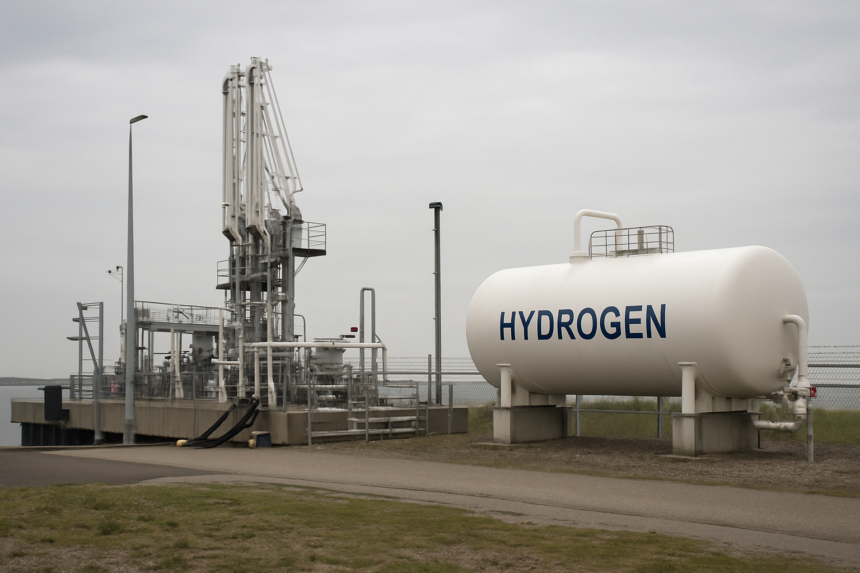
Despite the potential of hydrogen as a clean fuel, Enova has pointed out significant gaps in the value chain necessary for its successful deployment in maritime operations. Challenges include the production and distribution capacities of green hydrogen and ammonia, as well as adequate bunkering infrastructure. To address these crucial elements of hydrogen shipping, Enova is supporting multiple facets of the value chain, working to connect vessel operators with sustainable fuel suppliers.

Investment Moves and Future Projections
Enova has invested in several projects aimed at enhancing Norway’s hydrogen production capabilities and bunkering facilities along its coastline. The agency has already supported 11 hydrogen-powered vessels and 13 ammonia-powered vessels, demonstrating its commitment to the transition away from fossil fuels. Nonetheless, uncertainty remains about how Norway’s shipping sector will evolve toward zero emissions by 2050. Enova’s estimates indicate a significant reduction in maritime emissions—from 2.79 million metric tons of CO2 in 2025 to 1.48 million metric tons by 2050—but the vision of total neutrality appears distant without concurrent infrastructure advancements.
Why It Matters
The maritime industry’s future hinges on the successful integration of hydrogen and ammonia as viable fuels for long-haul operations. While battery-electric solutions contribute to short coastal journeys, the transition to zero-emission shipping must resolve infrastructural challenges related to hydrogen production, storage, and distribution. Stakeholders, including shipowners and operators, need to navigate these complexities meticulously. The ongoing investments and developments by Enova could serve as a pivotal point to enable a seamless shift to alternative fuels, aligning with regulatory pressures and environmental expectations.