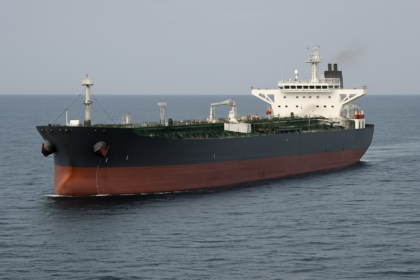
Iran’s aggressive actions against oil tankers in the strategically vital Strait of Hormuz have escalated significantly over the past month, contributing to heightened tensions in an already fragile region. Recent reports indicate that these attacks have surged to a rate of approximately one per day in November, coinciding with a notable drop in global oil prices.
The Recent Attacks
Data compiled from maritime security sources indicates that incidents targeting vessels have increasingly become routine, with two seafarers reported missing following recent assaults. Traders and shipowners have circulated unverified footage depicting a tanker engulfed in flames, underscoring the rising danger for operations in the area. Analysts suggest that these developments signify a shift towards a state of persistent low-grade conflict, with daily attacks on commercial ships becoming commonplace.

Impact on Oil Markets
Simultaneously, Brent crude futures have slipped roughly 20% this month, driven by a surge in oil supply from the Middle East. The International Energy Agency has highlighted that this marks the first time since the start of regional conflict that supply is outpacing demand, though some shipments have demonstrated volatility due to the rising frequency of attacks. The ongoing assaults complicate the accurate assessment of oil flow volumes, as producers remain reticent to disclose the full extent of the impacts on their operations due to safety concerns.


The Broader Implications
Figures from intelligence firms Kpler and Vortexa reveal a decrease in oil transits through Hormuz, dropping from approximately 13.4 million barrels per day to about 10 million barrels as of November 10. This decline raises critical questions about the overall stability of oil supply chains in the region, particularly as more vessels become casualties of these attacks. Reportedly, maritime security officials have noted attempts by Iranian forces to target specific ships multiple times, further complicating the security landscape.
The Operational Read
The ongoing surge in attacks within the Strait of Hormuz presents a significant challenge for shipping operators and charterers, forcing them to reassess risk profiles for transit through this crucial chokepoint. While vessels continue to navigate these waters, the secrecy surrounding incidents may exacerbate the volatility of oil flows, impacting supply chain management strategies. The situation necessitates heightened vigilance from operators as well as proactive measures to safeguard assets against potential threats. Moving forward, industry professionals should monitor the frequency and severity of incidents closely, alongside broader geopolitical developments to gauge their potential impact on shipping routes in the region.