The Baltic Exchange is currently facing two whistleblowing claims of attempted manipulation of the TD3C tanker rate, the global benchmark for chartering oil tankers, amid heightened tensions due to the ongoing war in Iran. These allegations have surfaced during a legal battle involving Mercuria Energy Group, which is contending that the Baltic should have suspended the TD3C rate following the outbreak of the conflict.
Details of the Allegations
Since the war commenced, the integrity and accuracy of the TD3C rate have come under intense scrutiny. Mercuria has argued that the index is no longer representative of the actual market conditions affecting oil tanker chartering, although it has not explicitly claimed that the index is being manipulated. One whistleblower’s complaint suggested potential manipulation involving Mercuria alongside an unidentified entity. The Baltic’s investigation did not find evidence of manipulation in this instance, though a second allegation against another unnamed company remains ongoing.
Market Volatility and Implications
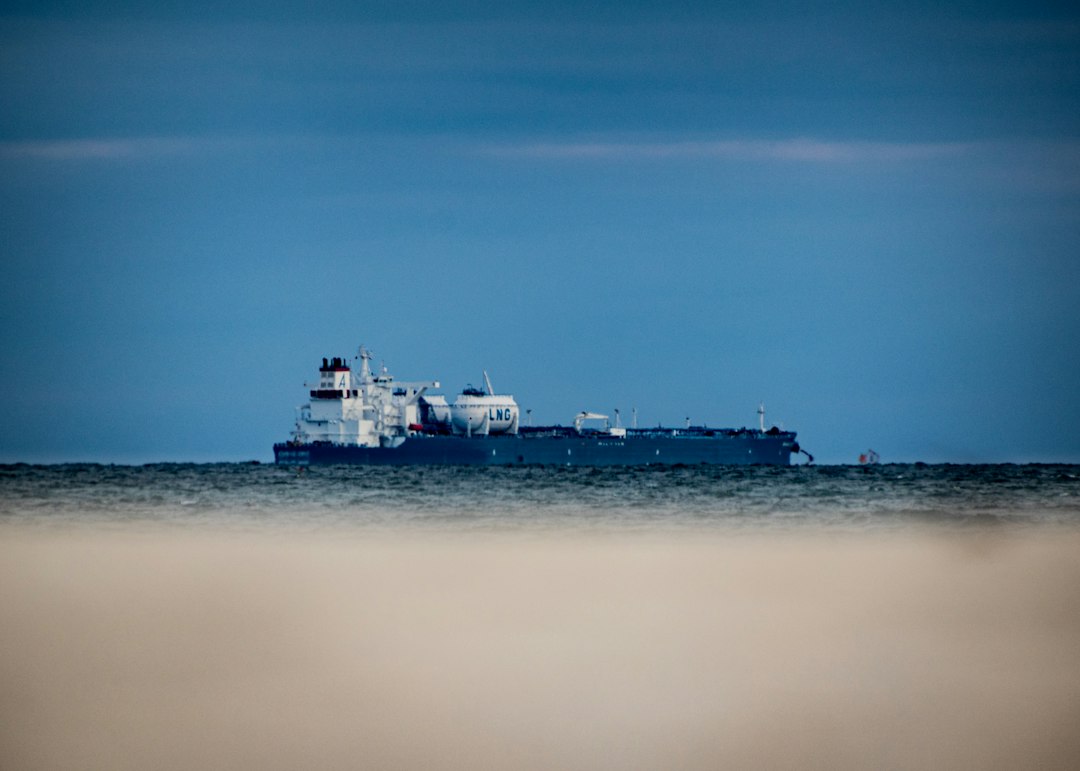
The price of chartering tankers from the Middle East to China has surged dramatically—from around $218,000 per day before the war to an estimated $1.35 million as of Thursday. This spike signifies the market’s volatility fueled by geopolitical events and the subsequent decline in shipments through the strategically critical Strait of Hormuz. The opacity surrounding these shipment arrangements has compounded the difficulties for brokers trying to assess the benchmark rate accurately, with much reliance on limited communications, including messages exchanged on WhatsApp.


Response from Mercuria and Future Outlook
Mercuria’s legal representatives have categorically denied wrongdoing, stating that the allegations presented are ‘irrelevant’ to the case at hand. The trading house was reportedly positioned with substantial short contracts linked to the TD3C rate prior to the outbreak of hostilities, which has compounded its financial challenges as the rate soared. As the situation evolves, the responses from both Mercuria and the Baltic Exchange will be crucial in determining the future course of tanker chartering rates and the market’s trust in the integrity of benchmark indices.
Behind the Headline
The emergence of whistleblower claims alleging manipulation of the TD3C tanker rate indicates significant concern regarding the transparency of the chartering market amid ongoing geopolitical strife. For operators, the rising costs of chartering tankers could lead to increased freight rates across the supply chain, impacting overall logistics and pricing strategies. Stakeholders will closely monitor developments in the ongoing legal proceedings, as resolutions could alter trading behaviors and benchmark assessments in the highly dynamic oil transportation sector.