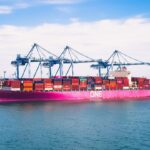
On November 8, Iraq’s Foreign Minister Fuad Hussein confirmed that the nation has reached an understanding with the United States to facilitate oil exports through the Strait of Hormuz via a shipping lane adjacent to Oman. This strategic agreement is crucial for Iraq as it seeks to stabilize its economy, which has suffered significant losses due to previous conflicts and disruptions in oil export activities.
Economic Implications
The foreign minister highlighted that Iraq has incurred losses totaling approximately $60 billion as a result of the Iran war and other disruptions to its oil export operations. Such economic strains underscore the importance of this agreement, which aims to enhance Iraq’s oil export capabilities and restore its oil revenue streams.
In response to previous drops in oil exports, Iraqi energy officials reported a robust recovery in October, with oil exports rising to about 3.5 million barrels per day, up from 2.65 million barrels per day in September. This resurgence is significant as Iraq works to re-establish its position in the global oil market post-conflict.

Strategic Shift in Oil Export Strategy
The agreement to export oil through a U.S.-sanctioned route signifies a noteworthy shift in Iraq’s oil strategy. The decision to utilize an alternate route circumventing direct passage through potentially contested areas reflects an adaptive approach aimed at ensuring the security and sustainability of its oil exports. This strategic pivot not only addresses Iraq’s immediate economic needs but also positions the country to better handle geopolitical tensions in the region.
The Operational Read
This emerging agreement highlights the complexities of oil logistics in a geopolitically sensitive region. By securing a route for exports, Iraq may navigate market uncertainties and provide stability to its economy. Operators in the sector will need to adjust their logistics strategies, potentially utilizing this new lane while monitoring fluctuations in regional security. The broader implications include the potential for increased oil supply stability in the market, which may influence global oil prices. Stakeholders should watch for further developments in Iraq’s oil export activities and how these new arrangements may mitigate risks associated with transit through traditional routes like the Strait of Hormuz.