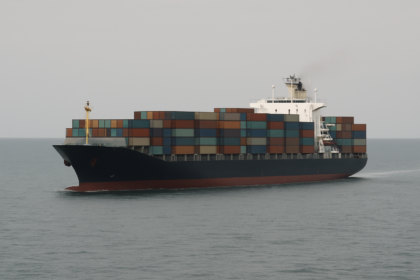
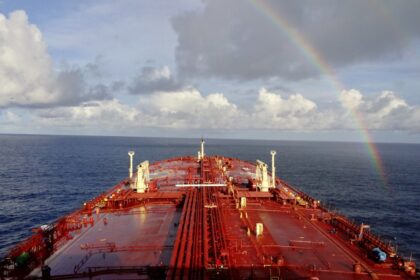
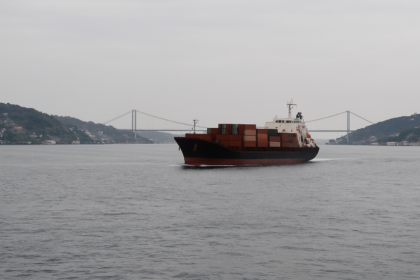
Plans to resume commercial shipping through the Strait of Hormuz have been significantly impacted following an attack on the Evergreen containership Ever Lovely. The vessel, with a capacity of 9,532 TEU, was struck shortly after completing its transit through the strategically vital waterway. This incident has provoked immediate responses from maritime authorities and stakeholders.
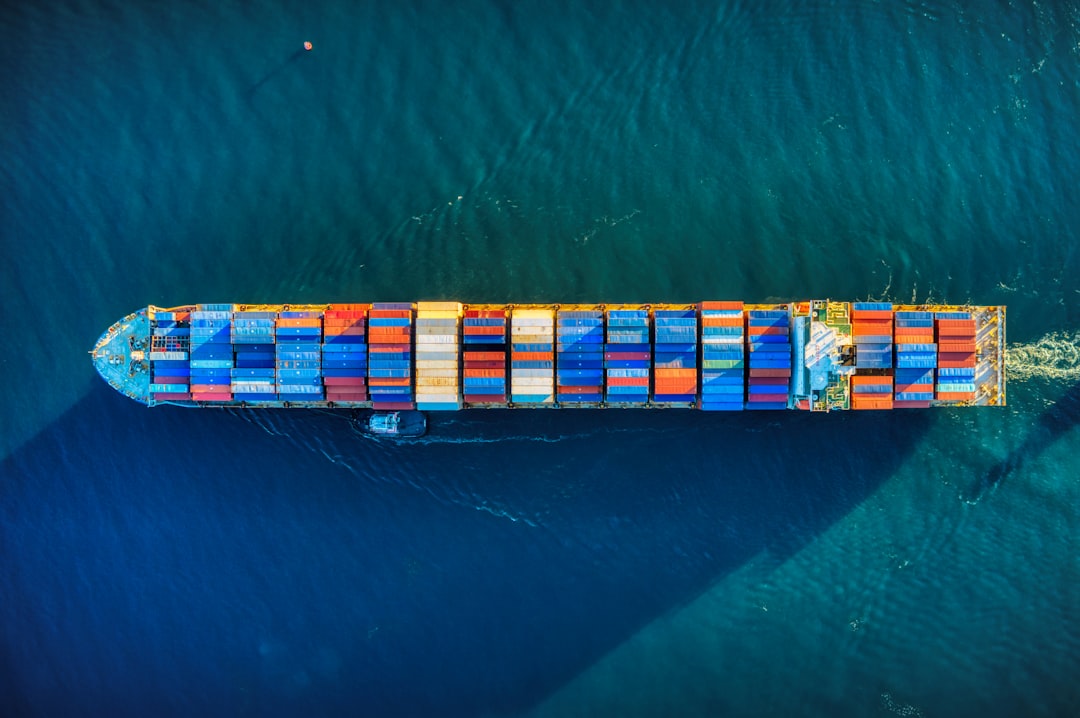
The Incident
The Ever Lovely was attacked while in the vicinity of the Gulf of Oman, leading to increased tensions in a region vital for global energy supplies and shipping routes. The incident has raised alarms regarding the security of maritime operations, especially as the Strait of Hormuz sees a significant volume of tanker traffic.
Regulatory Response
In the aftermath of the attack, the International Maritime Organization (IMO) announced that it would pause its evacuation operations for vessels trapped in the Gulf. The decision reflects the heightened concerns for crew safety and the secure transit of goods through one of the world’s busiest maritime chokepoints. The situation continues to evolve as various shipping authorities assess the risk levels associated with operating in this region.

Market Impact
The disruption in shipping operations through the Strait of Hormuz poses significant implications for global trade flows and shipping costs. Operators are expected to face increased insurance premiums and may need to adjust freight rates to accommodate the heightened risks. The potential for heightened military engagements or retaliatory actions in the region could further complicate shipping logistics.
Behind the Headline
The attack on the Ever Lovely underscores the precarious security situation in the Strait of Hormuz, a critical passage for shipping logistics. As operators reconsider their routes and strategies in response to the latest security challenges, the wider maritime industry should monitor developments closely. The situation may lead to higher operational costs and increased scrutiny on vessels traversing this chokepoint. Stakeholders must evaluate risk management and contingency planning to mitigate impacts on supply chains and regional trade stability.