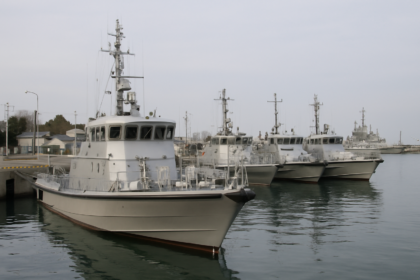



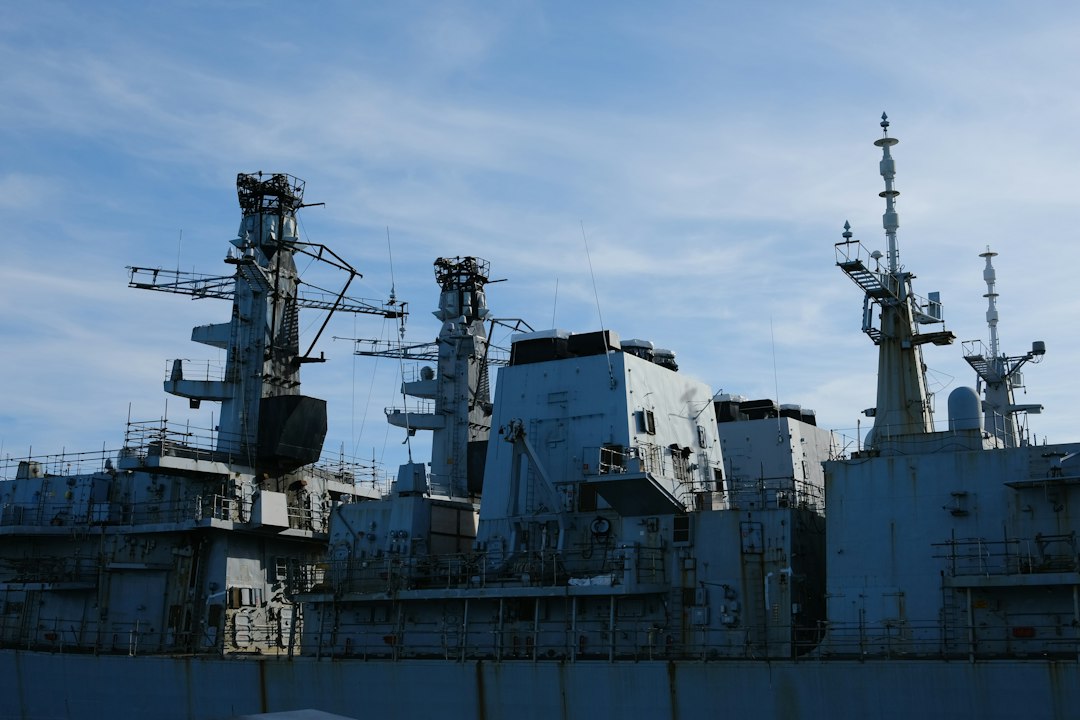
On Tuesday, October 20, China announced that it had dispatched naval forces to monitor the USS Charleston, which it claims unlawfully entered waters surrounding the contested Sabina Shoal in the Spratly Islands. The Chinese military’s Southern Theatre Command characterized the US vessel’s presence as an infringement on China’s sovereign rights and emphasized that such actions threaten regional maritime security.
The Incident
According to a statement from the Southern Theatre Command, the USS Charleston entered the disputed waters in the early hours without the requisite government approval from China. Concurrently, Taiwan’s Coast Guard reported its own tense encounter with a Chinese vessel near the Pratas Islands, highlighting the region’s increased military activity. The USS Charleston’s deployment follows a longstanding US policy of conducting freedom of navigation operations in the South China Sea, aimed at asserting navigation rights amid competing territorial claims.
Regional Tensions
The South China Sea remains a flashpoint for geopolitical friction, particularly between China and the Philippines, which both claim sovereignty over the Sabina Shoal and the broader Spratly archipelago. The Philippine military spokesperson contested China’s allegations, emphasizing that no nation possesses the authority to restrict lawful navigation in international waters. This incident follows a recent altercation where a Chinese Coast Guard vessel collided with a Philippine craft, further straining relations.

In a separate development on the same day, Taiwan’s Coast Guard reported a standoff with a Chinese ship near the Pratas Islands. The interaction was characterized by verbal exchanges denying the legitimacy of each other’s territorial claims, indicating the heightened sensitivity of military encounters in this area. The US has historically maintained a supportive stance towards Taiwan, exacerbating tensions with Beijing, which views Taiwan as part of its territory.
The Operational Read
The ongoing tensions in the South China Sea call for heightened vigilance among shipping operators and regional security stakeholders. The increasing frequency of naval encounters signifies an urgent need for clarity regarding navigational rights and international maritime law. Operators must be prepared for the implications of naval deployments, including potential disruptions and escalated operational risks. As regional alliances shift, the strategic landscape will require continuous monitoring, with significant implications for shipping routes and security protocols in contested waters.