On June 23, 2026, the Directorate General of Shipping (DGS) in India issued new guidelines aimed at enhancing the operational specifications for patrol boats within port limits. This circular supersedes prior directives aimed at improving compliance with the International Ship and Port Facility Security (ISPS) Code and is a response to requests from maritime stakeholders seeking to bolster waterside surveillance and security across the nation’s ports.

Updated Specifications for Patrol Boats
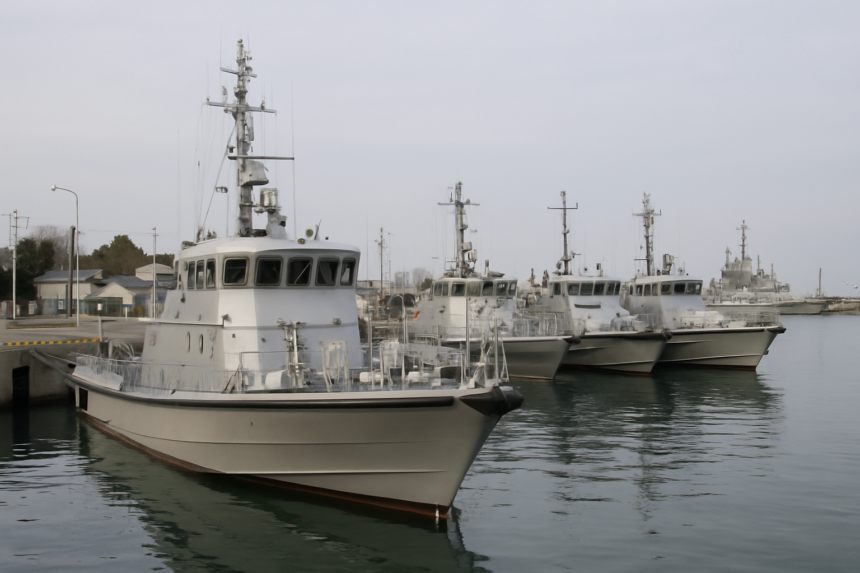
The newly released guidelines detail specific requirements for both the registration and classification of patrol boats. These vessels must now be registered in accordance with the Indian Vessels Act or the Merchant Shipping Act, as applicable, and must be classified with a member of the International Association of Classification Societies (IACS). Notably, patrol boats whose keels are laid after the issuance of this circular must adhere strictly to these new classification notations.
Existing vessels are permitted to continue operations under their prior classification but must align with the updated requirements upon any major modification or renewal of classification. This gradual transition is designed to prevent disruption while ensuring compliance with enhanced security standards.


Operational Requirements and Performance Criteria
Among the key operational features mandated in the guidelines are hull requirements specifying the inclusion of a gun mounting facility at the forward section and bulletproof or shatterproof sliding windows. Additionally, patrol boats are required to achieve a maximum speed of at least 20 knots using a twin-screw diesel engine or an equivalent propulsion system, which aligns with safety and operational effectiveness during active coastal surveillance.
Patrol boats already in service may experience a speed reduction allowance by up to 10%, contingent on maintaining seaworthy conditions and meeting operational security standards. This flexibility acknowledges the practical realities of upgrading existing fleets while imposing necessary safety protocols.
The Strategic Importance of the Guidelines
The introduction of these guidelines can be seen as a strategic move to position India’s maritime domain with robust security measures in response to evolving global and regional security challenges. By standardizing the specifications of patrol boats used for maritime surveillance, the DGS enhances operational readiness and ensures that all Indian ports are uniformly prepared to address potential threats from illegal activities, smuggling, or piracy.
Furthermore, all ports are encouraged to assess their specific requirements based on local conditions and geographical challenges, allowing for the potential implementation of enhanced criteria beyond the minimum standards established by the DGS.
The Operational Read
The operational implications of these guidelines are significant for port authorities, vessel operators, and security personnel across India. The need for patrol boats to fulfill specified performance metrics will necessitate potential investments in fleet upgrades and training for crews. Stakeholders should prepare for an analysis of current capabilities versus the new requirements outlined in the circular. Monitoring compliance will become paramount, and it will be essential to watch how these operational standards are implemented across different ports, potentially affecting operational costs and risk assessments for commercial shipping in Indian waters.