Update 28 Sep 2026, 04:32 UTC:
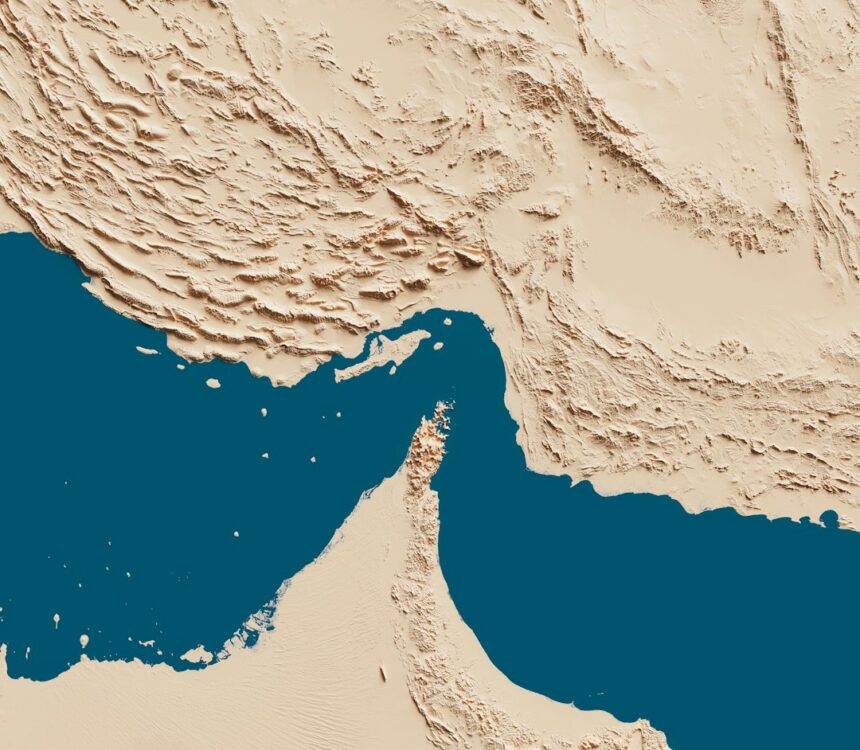
The shipping industry is increasingly adapting its trade routes as geopolitical tensions escalate across critical maritime chokepoints. Recent developments, particularly around the Strait of Hormuz, are creating concerns that have prompted operators to seek and establish alternative pathways for their vessels.
Geopolitical Context
The Strait of Hormuz is one of the world’s busiest maritime corridors, responsible for a significant share of global oil transportation. As tensions rise, there are heightened fears of potential disruptions that could arise from conflicts or increased naval presence in the region. The industry’s historical instinct to find alternative routes is now more relevant than ever, as the nuances of geopolitics directly impact shipping routes and logistics.

Operational Adjustments
Shipping operators are evaluating multiple alternatives, which include longer passages through less congested or less politically sensitive waters. Such adjustments are not without consequence, as they may result in elevated freight rates and enhanced transit times. Furthermore, these operational shifts present challenges in supply chain management, particularly for goods that need to maintain precise delivery schedules. Operators remain focused on securing reliable routes while ensuring compliance with international regulations and maritime safety protocols.
Market Reactions
Maritime markets are also responding to these shifts. Analysts anticipate possible increases in war-risk premiums and adjustments in insurance costs for vessels operating in or near conflict zones. Furthermore, stakeholders must remain vigilant regarding global economic implications, as changes in trade routes affect commodity prices and market stability. As some operators engage with newly established routes, their experiences and feedback are likely to shape long-term industry responses to geopolitical challenges.
The Operational Read
For operators, adapting to geopolitical dynamics means reassessing not only route choices but also the associated operational costs. The industry must monitor developments closely to identify potential disruptions while balancing the need for efficiency against increased expenses. Strategic planning will become imperative as longer voyages could lead to increased bunker fuel consumption, altering cost structures. Future decisions regarding fleet deployment will hinge on timely access to intelligence regarding maritime security and geopolitical developments, ensuring preparedness for shifting trade conditions.