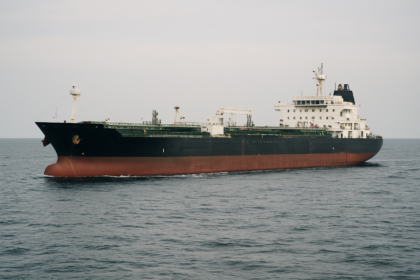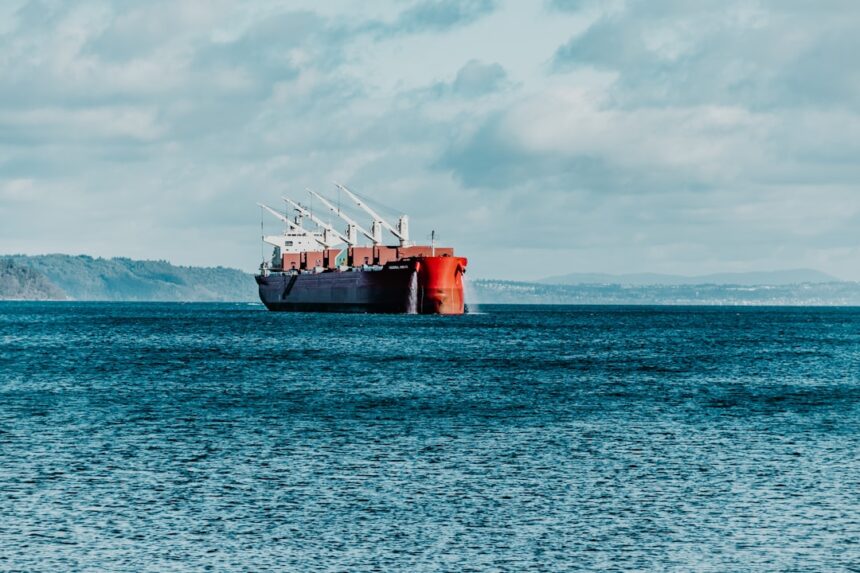
Global shipping is on the brink of a “perfect storm” as operations in the Red Sea prompt widespread diversions, with serious implications for tanker operators. Peninsula, a leading bunker supplier, has highlighted how these adjustments intersect with stringent emissions regulations in the Mediterranean, potentially more than doubling operational costs for vessels on altered routes.
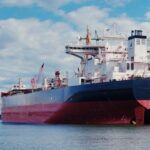
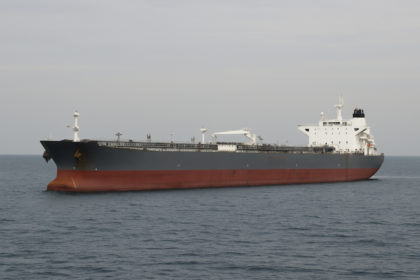
The ongoing geopolitical tensions in the Red Sea have compelled vessels to avoid the Bab el-Mandeb Strait, leading to a westbound transit through the Suez Canal and the Mediterranean Sea to reach Asian markets. This detour could significantly increase the tonne-mile demand; a typical Suezmax tanker, for example, may require additional fuel of around 1,500 tonnes, costing nearly $800,000 and increasing emissions by approximately 3,800 tonnes of CO2.
Rising Costs and Regulatory Challenges
As a direct result of these diversions, spot rates for Suezmax tankers, the largest vessels that can transit fully laden through the Suez Canal, have begun to rise sharply. There is a scramble among operators to secure cargo cover before the full impact of the increased tonne-mile demand materializes. Kenny MacLean, Chief Operations Officer at Peninsula, emphasized the impending complications, stating that the shift will not merely alter courses but will necessitate a fundamental recalibration of voyage economics.

The implications extend beyond costs, as vessels must navigate complex regulatory environments. Entering the Mediterranean requires compliance with the Mediterranean Emissions Control Area (MedECA), mandating a maximum sulphur content in fuel of 0.1%. This regulation renders standard Very Low Sulphur Fuel Oil (VLSFO) non-compliant. Operators must therefore switch to compliant Marine Gas Oil (MGO) or suitable biofuels prior to entering the region to avoid significant fines and detention of vessels.
Adapting to New Demand Patterns
As maritime traffic patterns shift, Peninsula anticipates a significant increase in bunker demand at previously underutilized ports along the new routes, including Port Said, Malta, Gibraltar, Algeciras, Las Palmas, Algoa Bay, and Port Louis. Richard Alvarez, Global Head of Sales at Peninsula, remarked on the evolving landscape: operators face a “regulatory and logistical minefield” in securing compliant fuel amid rising prices.
With supply tightening at these alternative hubs, the ability to partner with suppliers that have a robust global integrated supply network will be indispensable for minimizing disruptions and avoiding the costs associated with non-compliance. The maritime sector must remain vigilant and adaptable as these challenges unfold, ensuring they are prepared to meet both market demands and regulatory requirements.
Why It Matters
The convergence of increased operational costs and stringent emissions regulations poses a multifaceted challenge for tanker operators. The implications of extended routes and the need for compliant fuel may force operators to rethink traditional voyage planning strategies, particularly in relation to bunkering logistics and costs. The capacity to efficiently navigate these operational hurdles will be critical for maintaining competitiveness in a rapidly evolving market landscape. The developments in the coming weeks will be crucial as operators adjust to these new conditions and as bunker supply chains expand to accommodate diverging maritime routes.