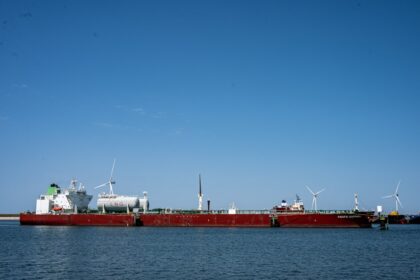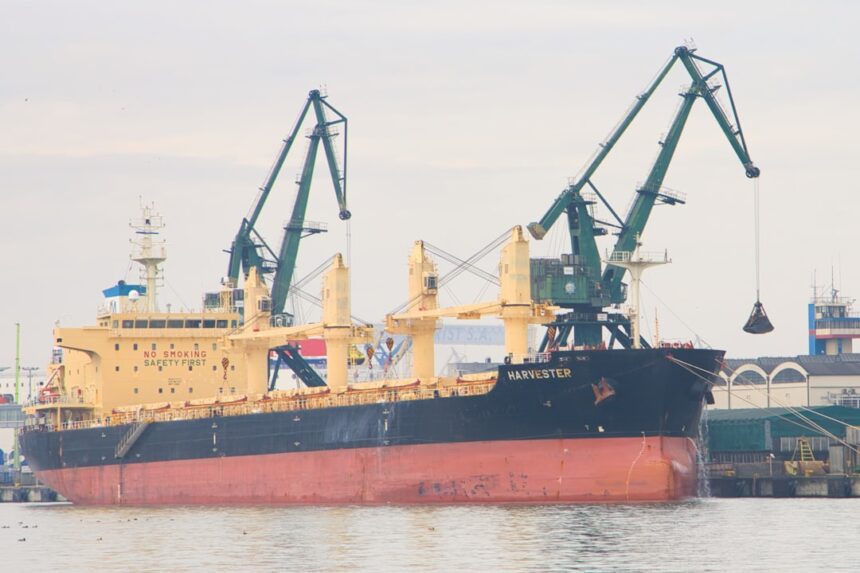
Ukraine has intensified its military operations targeting key Russian shipping routes in the Black Sea and Sea of Azov, complicating Russia’s efforts to export its wheat harvest, which is crucial for global food supplies. The ongoing conflict impacts two of the world’s largest grain exporters, with both nations relying heavily on these routes for trade.
The Incident
As the wheat harvest begins, Ukraine has escalated its attacks on maritime logistics, raising significant concerns over the ability of Russian grain to reach international markets. Russia’s agricultural output, primarily concentrated in its southern territories, has already begun facing operational pressures. With Ukraine aiming to disrupt Russian grain exports, it is imperative for Moscow to consider alternate routes.
Market Impact
Russia is reportedly exploring alternative export avenues through Baltic and Arctic ports to circumvent the high-risk zones in the Black Sea. However, experts highlight that these options come attached with substantial logistical, economic, and security challenges, which may hinder the overall efficiency of grain exports. The implications of these obstacles could result in increased global wheat prices, potentially impacting food security worldwide.


Operator Response
Shipping operators are advised to monitor the situation closely as these developments unfold. The potential blockage of traditional shipping routes may lead to increased freight costs, alterations in shipping patterns, and a heightened need for risk assessments and insurance adjustments for vessels operating in these conflict-affected areas.
The Operational Read
The operational landscape for grain shipping is shifting due to escalating military activities. For operators, this necessitates immediate reactions, including route adjustments and enhanced security measures. The growing tension in the Black Sea and Sea of Azov underscores the volatility of maritime operations amidst geopolitical strife. Keeping abreast of developments is vital for ensuring the safety and efficiency of grain transport, with a particular focus on the impacts these changes may have on both supply chains and market prices.