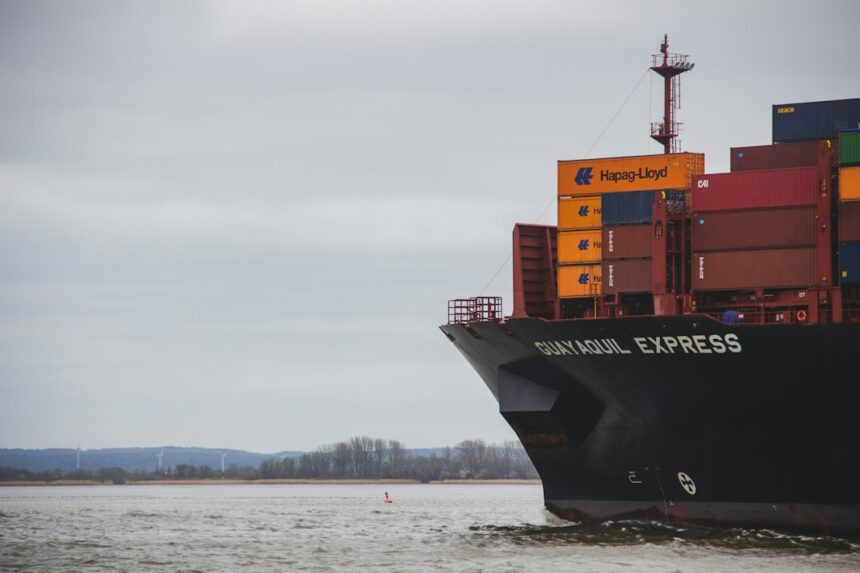
A significant escalation in hostilities has turned the Black Sea into the world’s deadliest shipping route, surpassing the hazards associated with the Strait of Hormuz for seafarers. Over the past four days, a relentless series of attacks on merchant vessels and port infrastructure has been reported, leading to numerous fatalities among crew members.
The Rise in Attacks
As of 2026, more than 570 vessels have been subject to attacks in the Black Sea. This alarming figure highlights a shifting dynamic in maritime security, where the risks associated with navigating this crucial waterway have profoundly increased. The situation has emerged as a critical concern for shipping operators and maritime stakeholders.
Fatalities and Implications
The rising death toll among seafaring personnel this year has notably exceeded those recorded in the Strait of Hormuz, a historically volatile transit point for oil shipments. The nature of the attacks has varied, targeting both commercial shipping and port facilities, indicating a strategic disruption in maritime logistics and supply chains.


Market and Operational Impact
In response to this ongoing crisis, shipping companies are urged to reassess their risk management strategies. Insurance premiums for operations within the Black Sea are expected to experience upward adjustments due to the heightened risk environment, further complicating commercial viability for operators.
The Operational Read
The current security landscape in the Black Sea presents substantial challenges for shipping operations, necessitating a thorough review of risk assessments and operational protocols. For operators and crews, awareness of evolving threats is critical to ensure safety and compliance with maritime security directives. Increased vigilance and potential rerouting may become necessary as the situation unfolds, and stakeholders should remain alert to updates from maritime safety organizations and government advisories to mitigate exposure to risk.