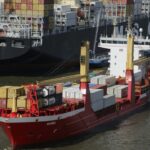
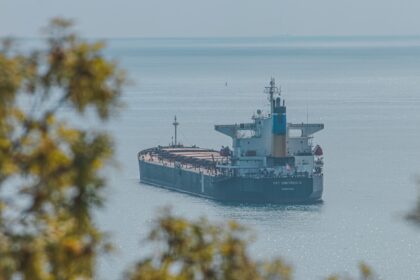
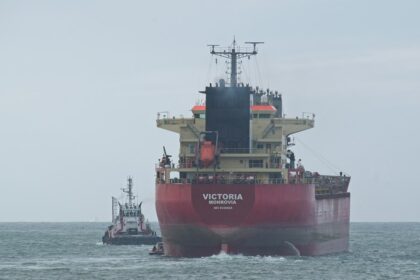
Danish dry bulk shipping company Lauritzen Bulkers has enhanced its fleet with the delivery of the Brave Bulker, a methanol-capable Kamsarmax vessel. Delivered from Tsuneishi Shipbuilding’s Cebu yard in the Philippines, the 81,000-deadweight ton (dwt) bulk carrier features a dual-fuel engine that allows for operations on both methanol and conventional marine fuels.
Vessel Specifications
The Brave Bulker represents a significant advancement in sustainable shipping technology. Kamsarmax vessels are specifically designed to navigate into Guinea’s Port of Kamsar, making them highly valuable for global dry bulk operations. The Danish Maritime Authority confirmed the vessel’s registration in the Danish International Register of Shipping on 16 November.

Future Deployments
Details regarding the intended deployment of the Brave Bulker have not been disclosed. However, Lauritzen Bulkers has placed an order for a total of three methanol-capable bulkers from Tsuneishi Shipbuilding, indicating a strong commitment to reducing environmental impact and adhering to emerging regulatory standards. The second vessel, named Bold Bulker, was launched in August 2026 and is scheduled for delivery in January 2027.

Industry Implications
The introduction of vessels like the Brave Bulker aligns with industry trends aimed at decarbonizing shipping operations. The dual-fuel capability of methanol-capable vessels presents a viable pathway for operators to transition towards more sustainable practices while maintaining efficiency. As stricter emissions regulations loom, the shipping sector may witness an increased demand for innovative fuel solutions, which could bolster the market for methanol as a prominent maritime fuel alternative.
Behind the Headline
The launch of the Brave Bulker exemplifies a proactive shift in the dry bulk shipping segment toward environmentally sustainable operations. The dual-fuel technology employed in this Kamsarmax vessel not only enhances fuel flexibility but also equips operators to meet evolving emissions regulations more effectively. As shipping lines adapt their fleets, the potential for increased operational efficiency and compliance with international standards will likely drive further investments in green shipping technologies. Observers should monitor how Lauritzen Bulkers and similar companies leverage these innovations in competitive markets and the broader implications for global shipping emissions reduction targets.