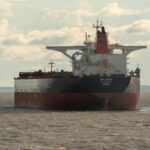
An analysis conducted by Windward’s Maritime Intelligence Operations Center has revealed that sanctioned tankers were responsible for transporting 60% of Russian oil in October. This marks an increase from 55% in September, reflecting the ongoing adaptation of Russia’s shipping strategies amid international sanctions.
The report indicates that EU-owned tankers shipped only 14% of oil volumes, which is one of the lowest percentages recorded this year. Notably, unsanctioned shadow fleet tankers contributed to 21% of all oil shipments, as they are increasingly utilized to offset logistical inefficiencies and shipping restrictions imposed by Western nations.
Shifting Fleet Dynamics
According to Windward’s analysis, 69% of the barrels shipped by sanctioned tankers were crude oil, followed by 42% refined products and 30% fuel oil. The shipment pattern demonstrates a growing reliance on sanctioned tankers, which are reportedly reflagging to Russia and changing ownership to attract new business under the backdrop of tightening regulations.

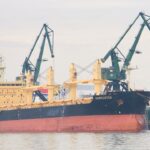
The analysis tracked 143 sanctioned tankers that called at Russian ports in October, with 48% of those vessels flagged under Russia. Of the 69 ships flying the Russian flag, 31 have made the switch in the last six months, a move likely motivated by new strategies adopted by EU and UK naval forces aimed at boarding stateless or inaccurately flagged tankers.

Impact of Sanctions on Shipping
Despite rigorous sanctions, Russia appears to be augmenting its shadow fleet with unsanctioned vessels that can operate without ties to Western marine services. Over the past two-and-a-half years, the EU and UK have blacklisted nearly 700 shadow fleet vessels, significantly complicating the operational landscape for those involved in shipping Russian oil.
In this context, the rise of unsanctioned tankers serves as a critical counterbalance to both the sanctioned fleet’s inefficiencies and the logistical hurdles posed by sanctions. Furthermore, the reflagging of vessels indicates a continuous effort by shipowners to maintain trading capabilities despite increasing scrutiny and potential boardings.
Behind the Headline
The latest statistics on Russian oil transportation underscore a profound shift in the maritime landscape, driven by a convergence of increasing sanctions and creative evasion strategies. The dominance of sanctioned tankers amidst a backdrop of regulatory pressure illustrates the industry’s ongoing adjustments. For operators, the implications include not only altered risk profiles but also the need for enhanced monitoring of ship registration statuses and ownership changes. As the shadow fleet expands and diversifies, the effectiveness of sanctions will continue to rely on international cooperation and robust enforcement, with potential ramifications for global oil supply chains in the months ahead.