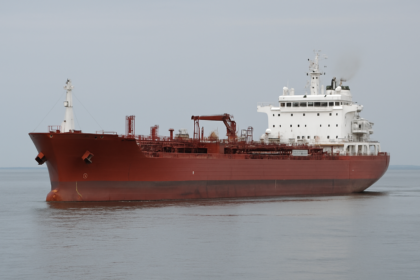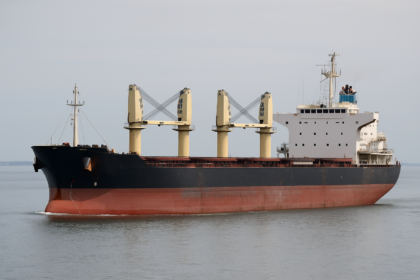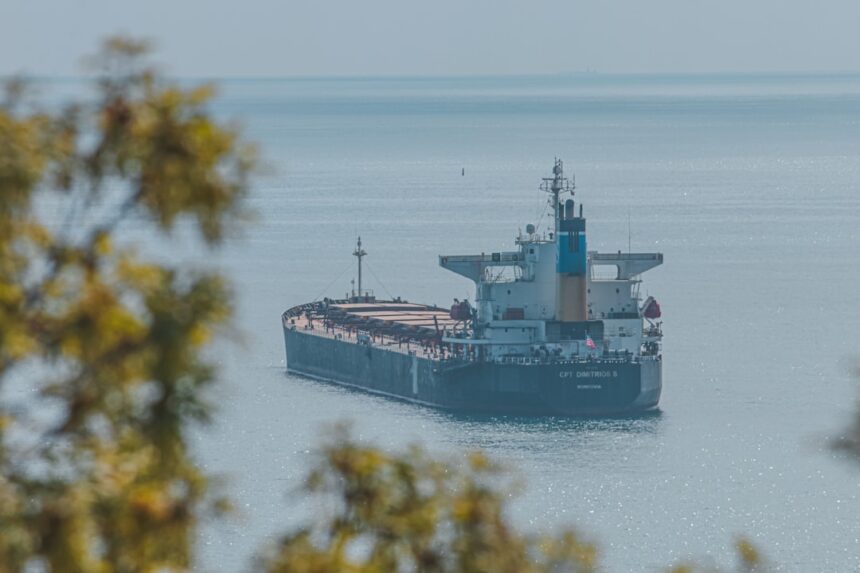
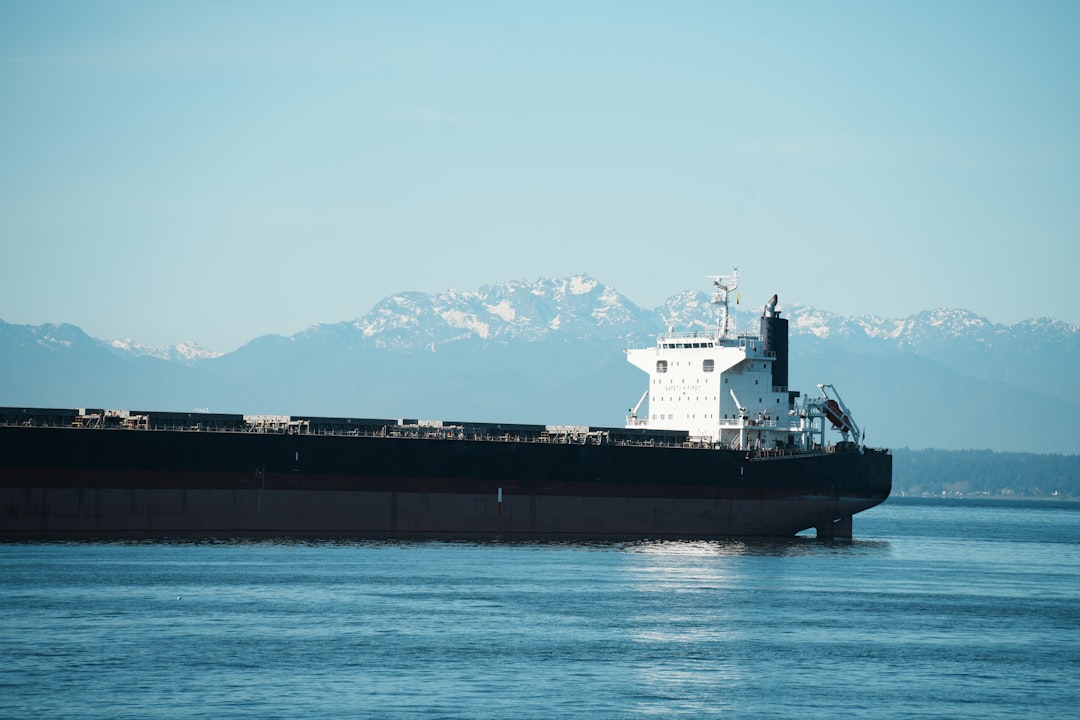
Aruna Shipping has secured a significant order to build up to 10 ultramax bulk carriers at Yangzhou Guoyu Shipbuilding’s facility in Zhoushan, China. This contract, finalized in April, includes six firm orders for 64,500 dwt ships, along with options for an additional four vessels. This strategic investment could more than double the Turkish company’s owned fleet, positioning it favorably within the competitive bulk shipping market.
Details of the Order
The six firm ultramax bulk carriers will feature a deadweight tonnage of 64,500 dwt, enhancing Aruna’s capability to transport various bulk commodities efficiently. The option for further vessels indicates a robust confidence in future demand, reflecting market insights suggesting a continued need for increased bulk transport capacity.
Market Dynamics
This expansion aligns with broader trends in the shipping industry, where companies are investing in modern fleets to meet changing global trade patterns and shipping demands. The Zhoushan facility has been recognized for its advanced shipbuilding processes, making it an attractive partner for Aruna Shipping as it seeks to modernize its fleet and improve operational efficiency.

Strategic Implications
With the growing need for efficient bulk shipping solutions, this fleet expansion positions Aruna Shipping to capitalize on increasing demand. As bulk carrier options become increasingly diversified, companies that invest in more efficient and capable vessels will likely enjoy enhanced market shares. This move not only reflects Aruna’s strategic foresight but also highlights a noteworthy trend among shipping companies focusing on fleet modernization.
Behind the Headline
The decision by Aruna Shipping to expand its ultramax fleet signifies a proactive approach in a volatile shipping market. Newer vessels offer advantages in fuel efficiency and operational flexibility, crucial for optimizing laytime and reducing demurrage costs. As the shipping industry continues to navigate pressures from regulatory changes and environmental considerations, operators will need to stay agile. This order could also lead to greater competition, as other operators may follow suit in updating their fleets, enhancing overall market efficiency.