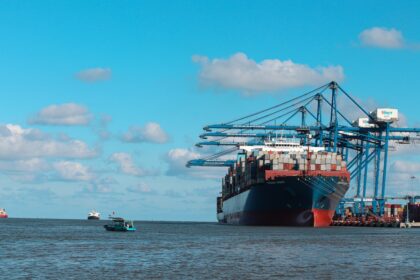


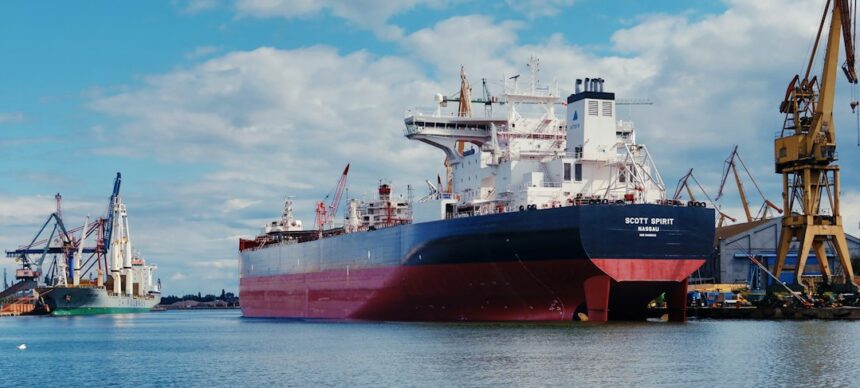
The shipping industry is facing heightened awareness regarding the risks associated with transporting iron ore fines, particularly following a recent bulk carrier casualty in the Bay of Bengal. This incident, which involved a vessel that had loaded iron ore fines at Paradip, India, underscores the critical importance of rigorous regulatory compliance and careful cargo handling procedures.
Understanding Liquefaction Risks
Iron ore fines are classified as Group A cargoes under the International Maritime Solid Bulk Cargoes (IMSBC) Code due to their potential to liquefy when shipped with a moisture content above the Transportable Moisture Limit (TML). Such liquefaction can lead to rapid cargo shift, causing severe loss of vessel stability and potentially resulting in capsizing. As such, operators and Masters must exercise extreme caution, particularly when loading from Indian ports during and after the monsoon season when rainfall may significantly alter cargo moisture levels.
The challenges associated with representative sampling can also present additional risks. It is essential that cargo samples accurately reflect the material being loaded and are obtained from the Directorate General of Maritime Administration (DGMA) approved laboratories. Certificates must only be trusted when they stem from demonstrably representative samples of the cargo.

Regulatory Compliance and Best Practices
Ship owners and operators are advised to follow established guidelines, including those set forth in West’s Notice to Members and other loss prevention resources concerning the carriage of iron ore fines from Indian ports. Among the recommended practices is the notification of Managers prior to agreeing to transport iron ore fines, ensuring that a qualified surveyor is appointed at the loading port. Loading operations should only commence after the Master has thoroughly reviewed the required cargo declarations, moisture content, and TML certificates.
Key precautionary measures include continuous monitoring of cargo conditions and weather, leading to immediate cessation of loading if there is any concern regarding moisture content or certification accuracy. Following substantial rainfall, it is crucial to obtain clear evidence that the moisture content is below TML before resuming loading operations.
Implications of the 2026 Regulatory Update
The recently implemented Merchant Shipping (Carriage of Cargoes and Oil Fuels) Rules, 2026, enhance the regulatory framework that governs the transport of cargoes prone to liquefaction. These rules stipulate that shippers must provide the Master with accurate cargo details well in advance of loading, aligning India’s practices with international safety standards as outlined in SOLAS and the IMSBC Code. This regulatory shift emphasizes the accountability of all parties involved in the cargo chain.
Why It Matters
The casualty in the Bay of Bengal serves as a crucial reminder of the operational realities the shipping industry faces, particularly regarding the transport of liquefiable cargoes. Strict adherence to the IMSBC Code and new regulations is necessary to mitigate risks during adverse weather conditions, especially in regions like India where monsoon impacts are significant. Operators must prioritize safety over commercial pressures to safeguard both crews and vessels. The evolving regulatory landscape in India will require ongoing diligence and training, ensuring all personnel are well informed about compliance requirements and best practices when dealing with iron ore fines and similar cargoes.