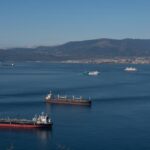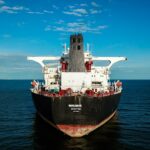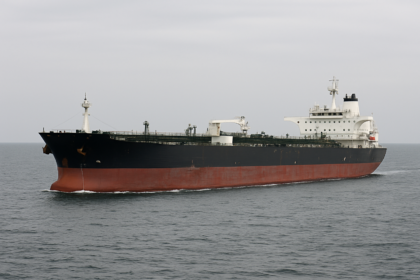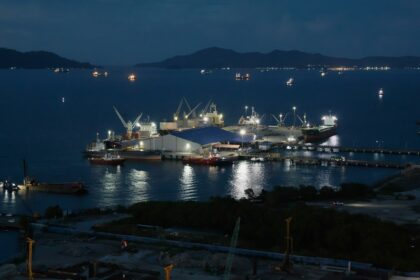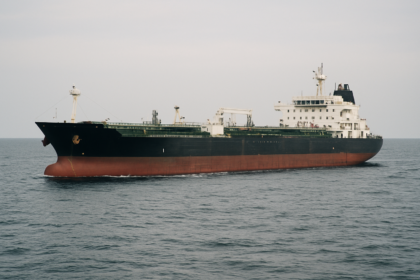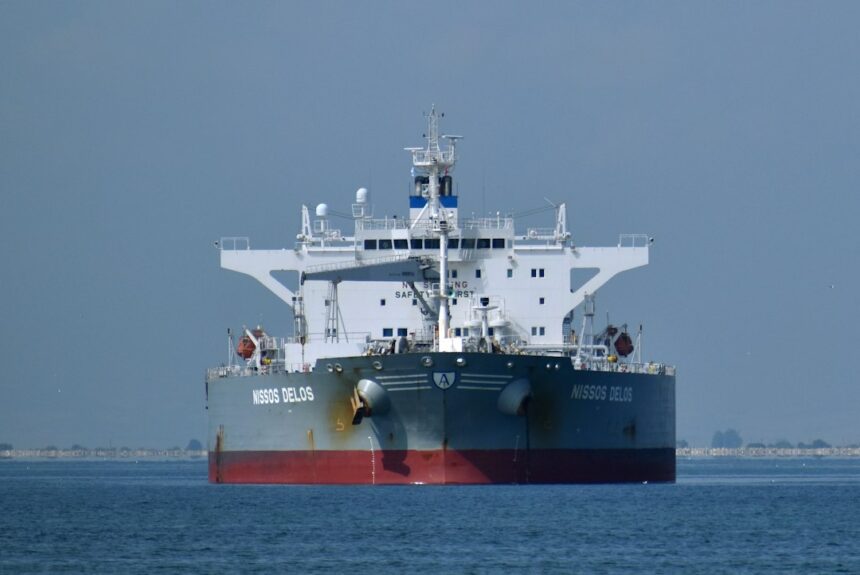
On Wednesday, Iran’s Islamic Revolutionary Guards Corps (IRGC) reported the destruction of four oil tankers in the Strait of Hormuz after they struck naval mines while attempting to navigate through a prohibited passage. The incident marks a significant escalation in tensions amid ongoing conflicts and a series of military operations in the region.
The Incident
The IRGC stated that four ‘non-compliant’ oil tankers were engulfed in flames after hitting mines, with two additional vessels reportedly halted in the same vicinity. This event follows a backdrop of heightened military actions, including United States airstrikes targeting Iranian positions, particularly on Qeshm Island, which is located in the heart of the Strait.
The Strait of Hormuz is a pivotal maritime route, transporting a significant percentage of the world’s oil supply. Iran has consistently maintained control over this region and has threatened those who attempt passage without authorization, heightening the risk for shipping operators.

Market Impact
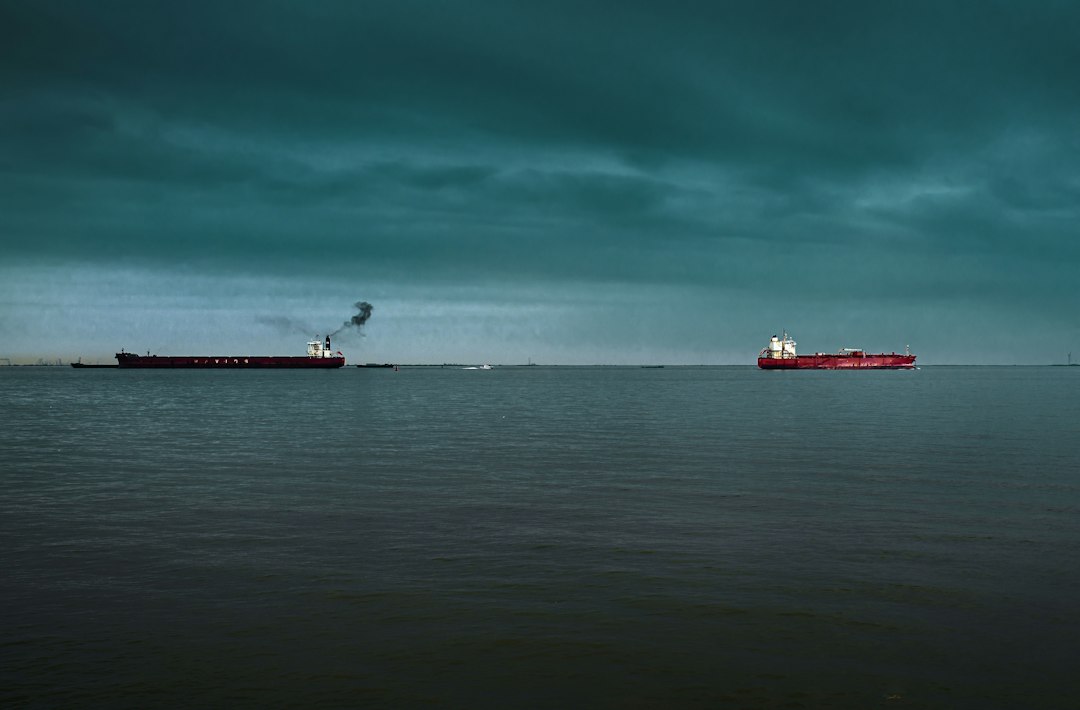
The destruction of these vessels is expected to influence insurance rates and war-risk premiums in the region. Shipping operators may face increased costs as they reevaluate the risks associated with transiting the Strait of Hormuz, further complicating supply chains already buffeted by geopolitical tensions.
The maritime community is on alert, as an uptick in incidents may prompt some operators to reroute around the Cape of Good Hope, significantly lengthening transit times and potentially impacting global oil prices.
Operator Response
As tensions escalate, shipping operators must proactively assess their navigation strategies and be prepared for potential alterations in transit pathways. Furthermore, with US-Iran dialogues having yielded minimal progress, shippers should brace for an environment of increased volatility and uncertainty within the region.
The Operational Read
This incident highlights the precarious nature of operational shipping within the Strait of Hormuz, where geopolitical tensions make compliance with local regulations increasingly critical. As security concerns rise, operators must remain vigilant and adaptable, ensuring that vessel charters and insurance terms reflect the evolving risk landscape. The current situation underlines the need for comprehensive risk assessments, which can significantly affect chartering decisions and operating costs amid the backdrop of continued military threats and mine use in key maritime chokepoints.