As of November 1, no Iranian-affiliated tankers have transmitted AIS signals indicating any load changes in the Middle East Gulf since September 17, highlighting a significant halt in crude oil loading activities. This is a stark contrast to the period before this halt, where seven tankers managed to load nearly 6 million barrels, reflecting a pace of approximately 113,000 barrels per day.
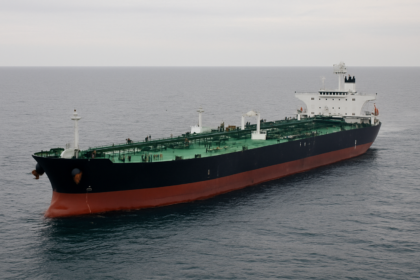
Recent satellite imagery and data from Windward reveal that a total of 47 tankers linked to the National Iranian Oil Company (NIOC) or the National Iranian Tanker Company (NITC) remain in the Gulf. Among these vessels, only 25 are broadcasting AIS signals while the others remain dark, indicating their intent to hide from tracking systems. Of the 25 transmitting tankers, 15, or 60%, are currently in ballast, including 11 very large crude carriers (VLCCs) with a cumulative empty capacity of nearly 24 million barrels.
The Current State of Iranian Tankers
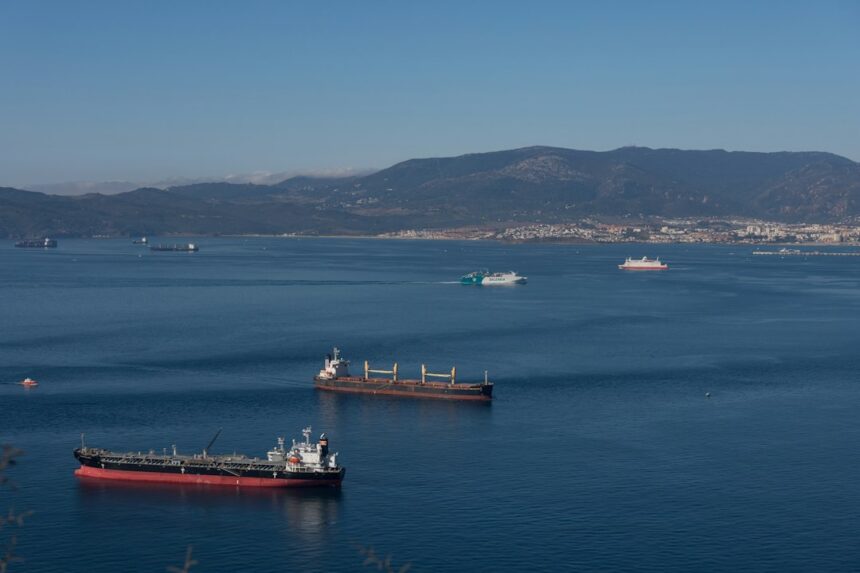
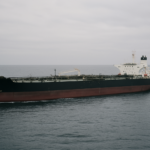
The tankers currently anchored east of Kharg Island have not seen any draft changes that would suggest loading activities. In fact, automated detection from September 18 through November 1 has shown no dark tankers at any of Kharg Island’s loading terminals. This situation raises questions regarding the disposition of Iran’s crude, which should theoretically be shipped out considering the capacity available on the idle tankers.


Market Implications and Potential Strategies
Three primary scenarios might explain the apparent loading halt:
- The crude may be transferred into onshore storage facilities at Kharg Island rather than being exported.
- Tankers could potentially be covertly loading crude while remaining dark, avoiding satellite detection.
- Iran could have commenced production cuts or well capping, a situation that could lead to equipment damage and longer-term operational challenges.
Outside the Gulf, there’s been a noticeable shift as 140 Iran-linked tankers broadcast AIS signals elsewhere, with 115 of these in ballast. Current estimates suggest that these tankers are primarily accumulating empty capacity. Furthermore, about 9.6 million barrels are currently distributed among tankers in transit, with a significant share—approximately 61%—headed towards China, indicating shifting market demands.
Operational Outlook
The ongoing six-week pause in loading operations leaves Iran’s export capacity critically strained. If onshore storage is the current strategy, it may only provide a temporary solution as tank capacities reach their limits. Operators must monitor changes in vessel positions and drafts, as any movement could signify hidden loading. If the situation persists, Iran’s options would inevitably narrow, leading to potential long-term implications for its oil industry and regional supply dynamics.
Behind the Headline
This protracted loading suspension raises concerns over Iran’s crude oil export sustainability. For maritime operators, the lack of AIS-transmissions from loading tankers indicates strategic shifts in logistics and export decisions amid potential operational cutbacks or clandestine loading. Observing the developments around Kharg Island and the tankers’ behavior will be crucial to predicting Iran’s next moves and assessing the broader market impact in the region.